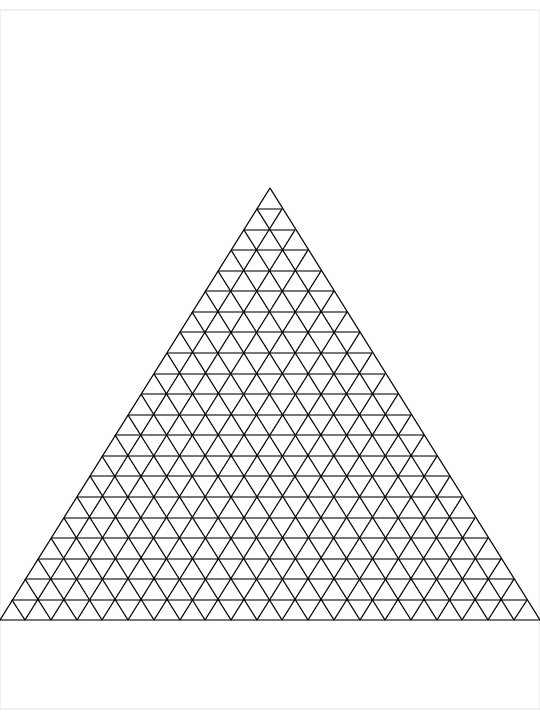
As an architecture mentor, I teach design by tracing relationships between space, form, and scale. The right grid makes ideas legible on the page, so beginners should start with triangle graph paper to practice isometric thinking and clean planning.
In this guide, you will find practical steps that translate classroom theory into studio work. We’ll compare graph paper options, discuss how to pick grid spacing, and show how coordinate grids help align walls, openings, and furniture. The aim is to help you draw faster, measure more reliably, and communicate intent with confidence.
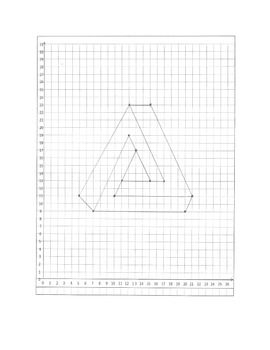
What is triangle graph paper?
Mistake 1: Assuming the grid alone guarantees accuracy. Many beginners start drawing and trust the angles without verifying the scale. Solution: decide on a scale first, then print the grid at that scale, and finally use a ruler to cross-check a few key dimensions. If your project calls for 1:50 or 1:100, align the grid to that proportion from the start.
Mistake 2: Interpreting the grid as a measurement ruler rather than a relational guide. Some students try to measure every line directly on the grid instead of using it to gauge direction and proportion. Solution: practice with a simple block or room corner, drawing walls on one axis and openings on the perpendicular axis, then compare to a quick hand sketch.
Grid sizing and options
Misstep 3: Not matching grid spacing to the paper size or printing capability. If the page is too crowded, lines will look heavier and numbers will misalign. Solution: choose grid spacing that leaves margins for notes and matches your chosen paper size. For example, a larger spacing on Letter or A4 leaves room for titles and measurements.
Printing and setup
FAQ: How do I choose the right printable grid for a project? Answer: Look for crisp lines, consistent spacing, and margins that fit your paper size to avoid surprises at print time. FAQ: Is triangle grid better than square grid for architectural layouts? Answer: Triangle grids support isometric thinking and quick three‑dimensional sketches, while square grids can simplify plan layouts.
FAQ: How can I verify that a printout matches real-world size? Answer: Print a small test page, measure a known distance with a ruler, and compare it to the expected dimension.
FAQ: How can I fix margins that print off-center? Answer: adjust the page size settings or print from a different browser to ensure the grid aligns with the edges. FAQ: Should I orient pages differently for isometric work? Answer: Portrait orientation keeps vertical edges readable, but landscape can be useful for long walls. FAQ: What if my grid spacing feels too dense for a small notebook? Answer: choose a coarser spacing and use notes to capture details besides the grid.
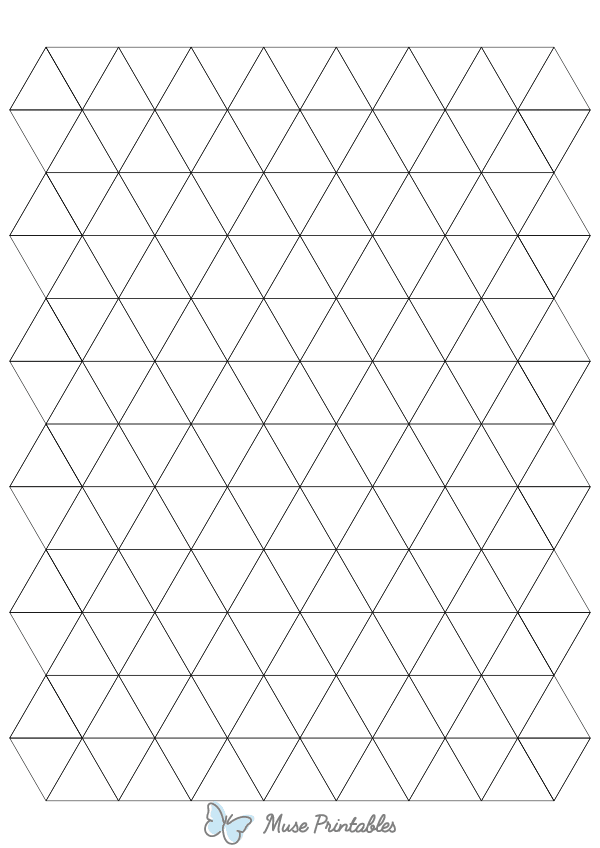
With consistent practice, the grid becomes a fluent language for your architecture ideas. Start small, print carefully, and verify measurements to avoid surprises on site. Choose a grid that respects your paper size and printing capabilities, and let the isometric mindset guide your early sketches. Over time, you’ll use printable grids to communicate intent more clearly and iterate designs faster.