
As a graphic designer, I translate ideas into precise layouts. A well-chosen grid paper setup sharpens alignment, margins, and scale from sketch to final file. In the studio, the graph paper application becomes a dependable workflow for consistency and professionalism.
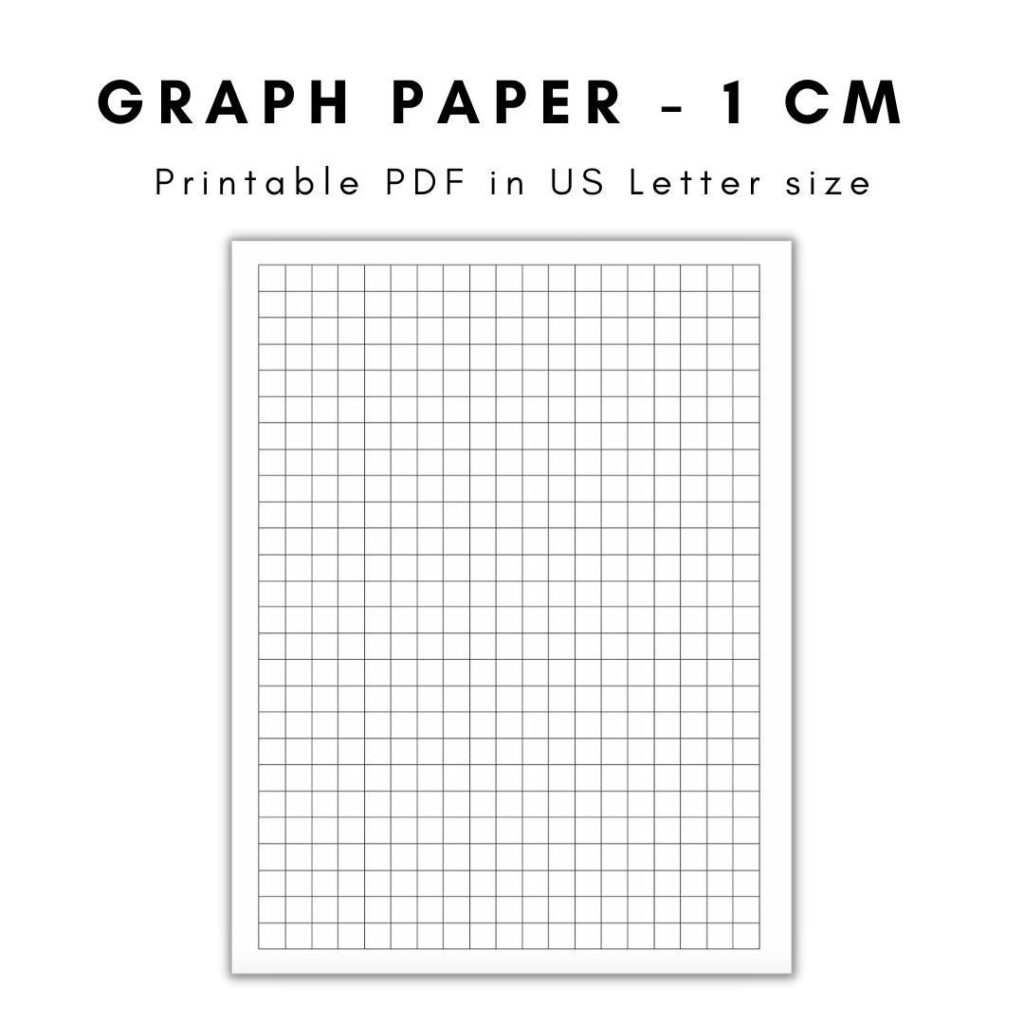
Starting with a clean grid is like calibrating your eyes. I prefer square grids for proportional systems and coordinate grids when mapping logos or typography on a page. This beginner-friendly mindset helps me plan margins and whitespace before I touch color or type, reducing revisions later in the design process.
Grid basics for designers
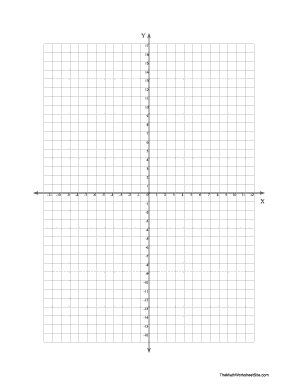
Grid size, or grid spacing, defines how you translate sketches into measurable layouts. For print work, I start with standard printable grids such as 8.5 x 11 or A4 and choose squares of 1/8 inch or 1/4 inch depending on the project. Larger grids boost quick layout decisions; smaller grids support fine alignment and micro-typography checks.
Margins and printable grids shape the usable area around your design. A tight margin can feel modern, but it may crop on some printers; generous margins give breathing room and easier trimming. I often balance margin width with grid spacing so text and logos stay visually centered, even when the page is rotated.
Paper size and orientation
Paper size and orientation matter for accuracy. I choose between letter or A4 based on the client’s workflow, then decide portrait or landscape by the dominant shape of the layout. When you lock paper size early, you can scale the grid to match final output and keep margins consistent across projects.
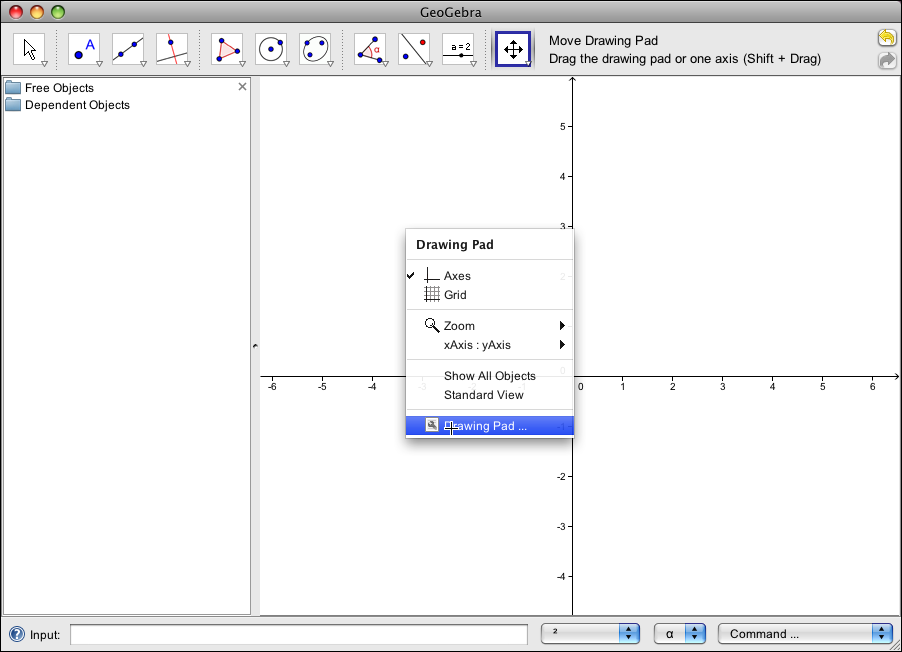
Printer and browser settings matter as much as the grid itself. Turn off page scaling in the browser, set the printer to the exact paper size, and print a test page. Use landscape mode for wide grids and ensure the grid spacing remains uniform after printing.
Practical tips
Grid size for beginners is best with 1/4 inch squares. Verify print accuracy by printing a test page with rulers. Print at 100 percent scale to avoid distortion. Plan margins around the grid and include bleed if required.
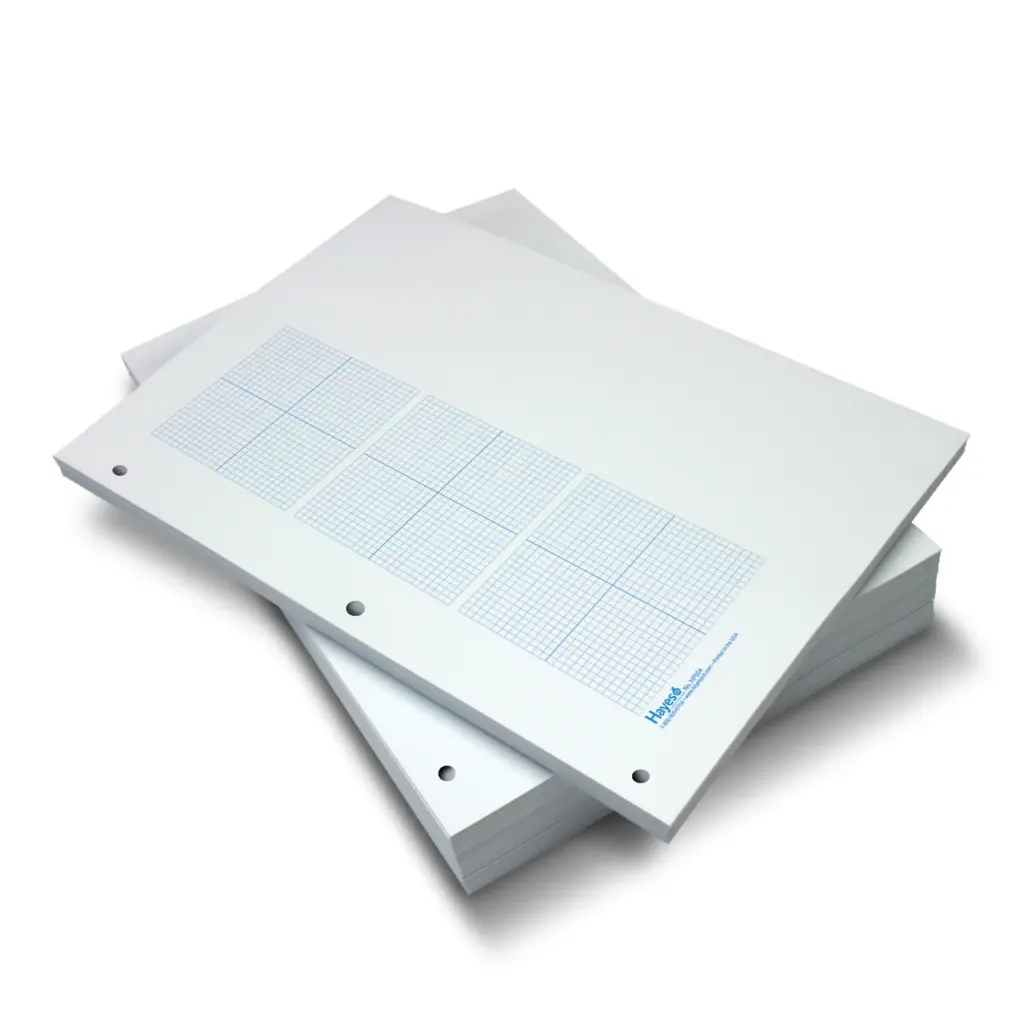
Conclusion: With a clear grid strategy, you can translate sketches into reliable printed work. Start with the right grid spacing and paper size, verify measurements on test prints, and maintain consistent margins across projects. This disciplined approach reduces surprises and helps every design you print look intentional and balanced.