
As a mentor to young architects, I remind students that the grid is a design tool, not decoration. The right blueprint graph paper helps translate concept into built form, clarifying scale, margins, and alignment from the first sketch to the final plan.
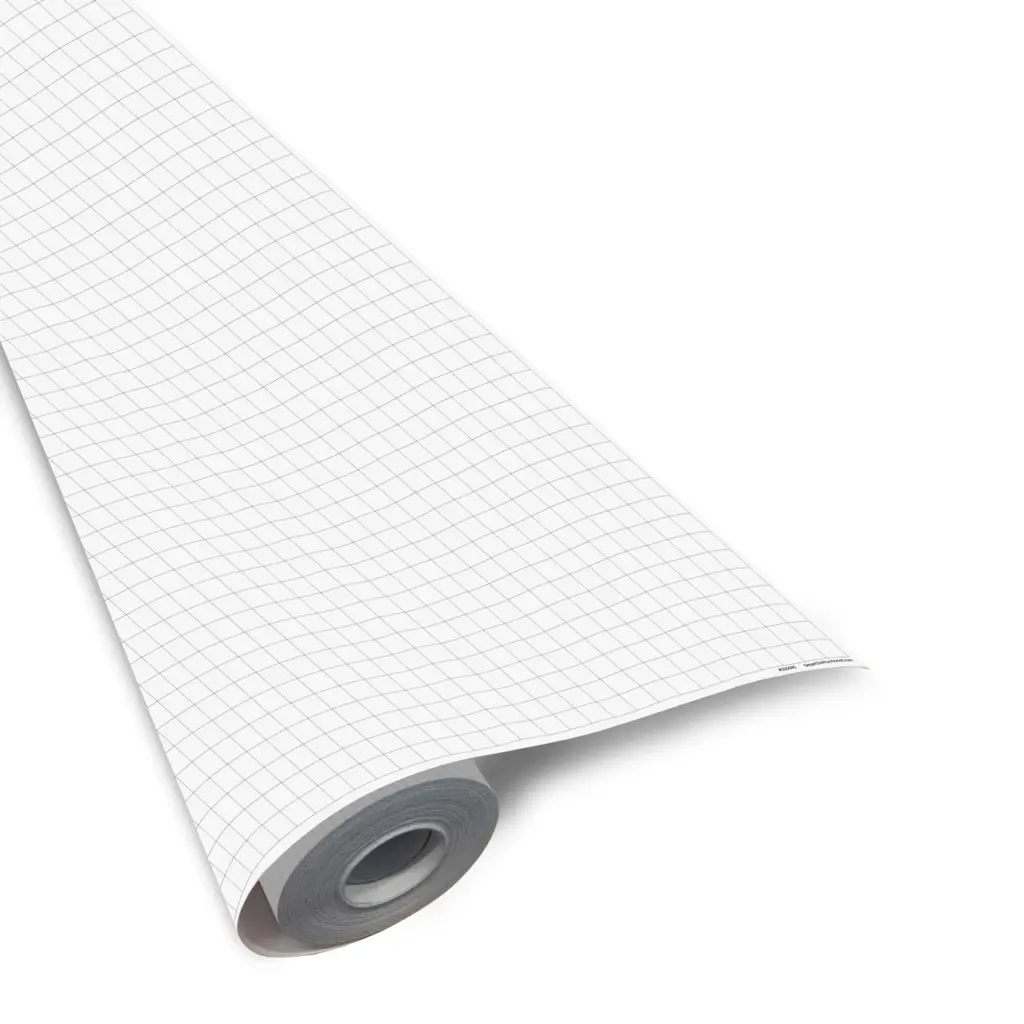
Start with the basics: a grid is a language for your ideas. It keeps your lines straight, your circles balanced, and your scales consistent. When you sketch, use the grid to measure spacing, check alignments, and maintain margins. I tell my students to map rough concepts on the paper first, then refine. A disciplined approach here saves rework later in CAD or model work.
Grid fundamentals
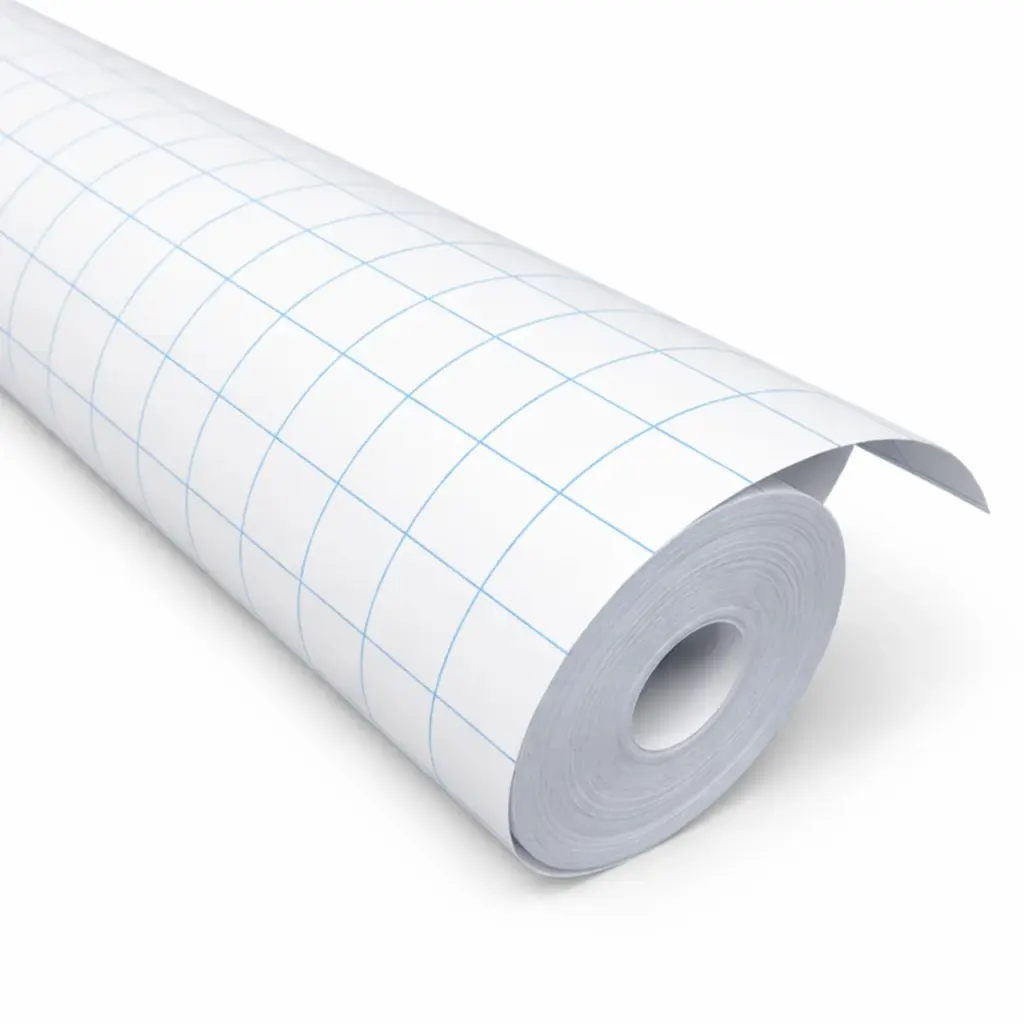
Mistake: picking a large or inconsistent grid without a defined scale. Solution: choose one grid spacing and stick with it for a project. For beginners, 1/4 inch squares on letter size or 11×17 is a common starting point; it balances detail with readability. Record the intended scale on the margins so every drawing remains coherent.
Mistake: drawing to the edge of the page and losing context when you cut or fold. Solution: set generous margins and keep a safe pocket around the edges. This not only helps printing but also gives room for notes. Use dotted or lightly printed guidelines to reserve space for titles, dates, and revision notes.
Practical workflows
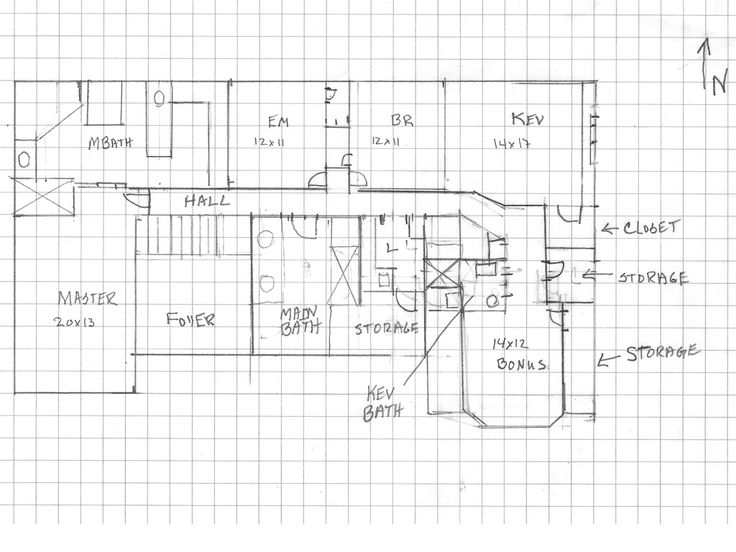
Practical example: on a standard 11×17 sheet with 1/4 inch squares, outline a small room. Draw the outer walls, then add interior partitions at clean intervals using the grid as your ruler. Note how coordinate grids help align doors and windows. This exercise builds confidence before you move to more complex plans.
FAQ: Q1 what grid spacing is best for beginners? A start with 1/4 inch squares. Q2 how do I print to scale? A choose scale in printer settings and verify with a ruler. Q3 should margins be larger? A yes, leave space for notes. Q4 how many drafts should I prepare? A two or three, then refine.
Conclusion: the grid is a mentor's tool, not a constraint. By choosing a clear grid size, respecting margins, and printing with mindful scale, you build accuracy and confidence. Practice simple layouts, review measurements, and compare drawn results to your model. With time, the grid becomes second nature and your plans read with clarity and intention.