
As a homeschool parent, I have learned that the right tools spark curiosity and discipline. My students grow by sketching, measuring, and refining ideas until spaces feel intentional. A composition book with graph paper helps keep lines aligned and progress visible.
These notebooks become a launchpad for architectural exploration in our home. We start with simple grids and practice measuring with a ruler, then translate ideas into lines on the page. My kids learn proportion by comparing widths and heights, adjusting until the drawing feels balanced. It is a calm, repeatable routine that supports math, design, and careful observation of space that grows with curiosity.
Why grid paper matters
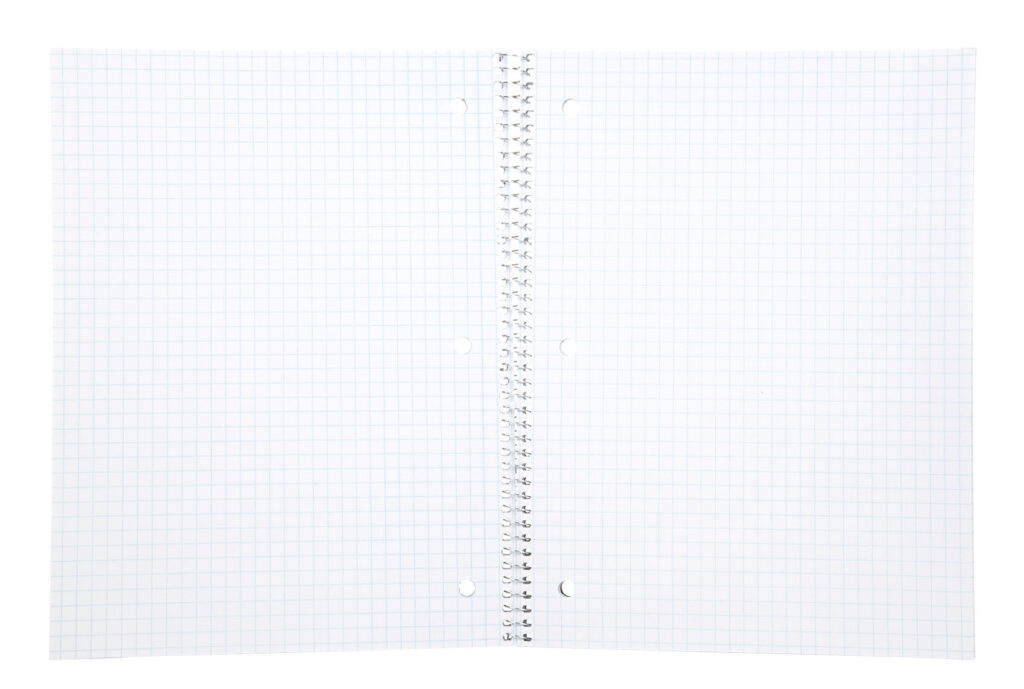
Choosing the right grid setup sets the tone for accuracy. Graph paper with square grids helps line up walls, doors, and windows as your student runs through a floor plan. Printable grids are handy for quick practice and keeping margins clean. Coordinate grids support precise angles, but simple square grids are friendlier for younger designers.
Proportional drawing is another essential habit. Teach students to keep scale consistent by choosing a scale like 1:50 or 1:100 and applying it across the page. They will measure a real door width and then translate it into lines on the graph, verifying it with a ruler. This practice builds spatial reasoning while reinforcing math concepts and helps students notice how small changes affect overall balance.
Scale and measurement
When you prepare templates or sketches, consider margins and paper size. For home use, Letter or A4 is common, and portrait orientation keeps tall walls neat, but landscape can better fit wide floor plans. Decide on grid spacing before you start; 1/4 inch or 5 mm is comfortable for a 1:50 plan, while 1/8 inch can be helpful for finer details. If printing from a digital file, check the scale in your browser's print settings and in the printer dialog.
Printing considerations
Before committing a design, print a test page and compare with a ruler. If lengths do not match, tweak the scale in the print dialog and reprint. Use margins to keep your student's notes legible and avoid crowding. When a plan includes doors, windows, and stairs, double-check that the overall width aligns with the intended room dimensions.
Beyond floor plans, our homeschool uses this approach for quick architecture sketches and proportional drawings. Sketch a façade, place windows at regular intervals, and measure spacing with grid lines. The discipline of a grid helps students see repetition, rhythm, and balance in architectural design. It also makes it easy to compare options side by side.
FAQ quick answers: Q1 how do I choose grid size? A start with 1/4 inch (5 mm) squares and adjust as needed. Q2 which paper size works best? A Letter or A4 is easiest for home use. Q3 how can I ensure accuracy when printing? A verify the scale in the print dialog and compare with a ruler. Conclusion: a disciplined grid system keeps architecture sketches clear and doable.