
Like many homeschool mornings, I seek activities that teach and reassure. One reliable angle is coloring pages of lunch boxes, especially those featuring vegetables. They turn lunch prep into a simple, engaging coloring activity kids enjoy after breakfast and before math. This rhythm supports routine and quiet focus.
As a veteran homeschooler, I favor tasks that fit into small windows between subjects. Vegetable-themed pages pair nicely with snack time, science notebooks, or reading aloud. They build fine-motor skills and color recognition while inviting kids to choose palettes that mirror how they see their meals. The flexible format makes it easy to adapt for different ages.
Color Choices
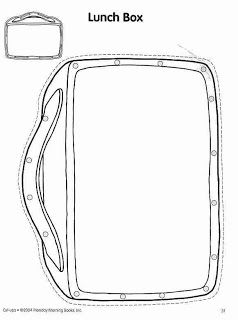
Start with simple palettes: greens and yellows for peas and corn, oranges for carrots, reds for peppers, purples for onions. Emphasize bold, high-contrast lines so crayons can stay within boundaries. For younger kids, preselect a few color pairs to reduce decision fatigue; older kids can experiment by blending hues or shading with colored pencils.
To keep it engaging, offer mini themes: a garden harvest, a farmer's market lunch, or a color-mixing challenge where kids name vegetables and justify their color choices. Print two copies: one for coloring and one for label practice—write the veggie name on the box and later use it in a simple vocabulary page. This added layer supports language play and memory.
Drawing Extensions

Drawing extensions spark curiosity. Invite kids to sketch garden elements around the lunch box, add stems, seeds, or a tiny scene inside the lid. Older children can design their own lunch-box characters or include a week’s worth of meals. Provide simple templates so the extra drawing stays within the same line style.
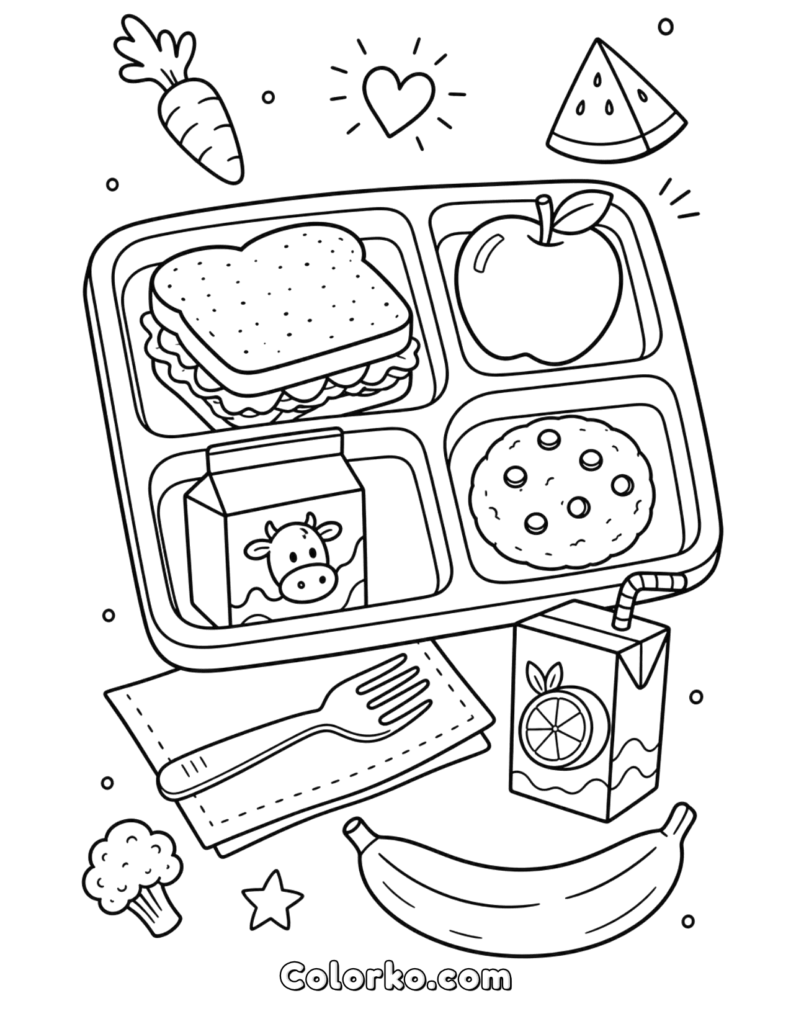
For media, try crayons for younger children, then switch to colored pencils for detail or markers for bold accents. Remind kids to leave white space for highlights and practice blending on scrap paper first. If you print at home, reduce pressure to avoid blotching on cheaper paper, or print on heavier stock.
Conversation or Learning Prompts
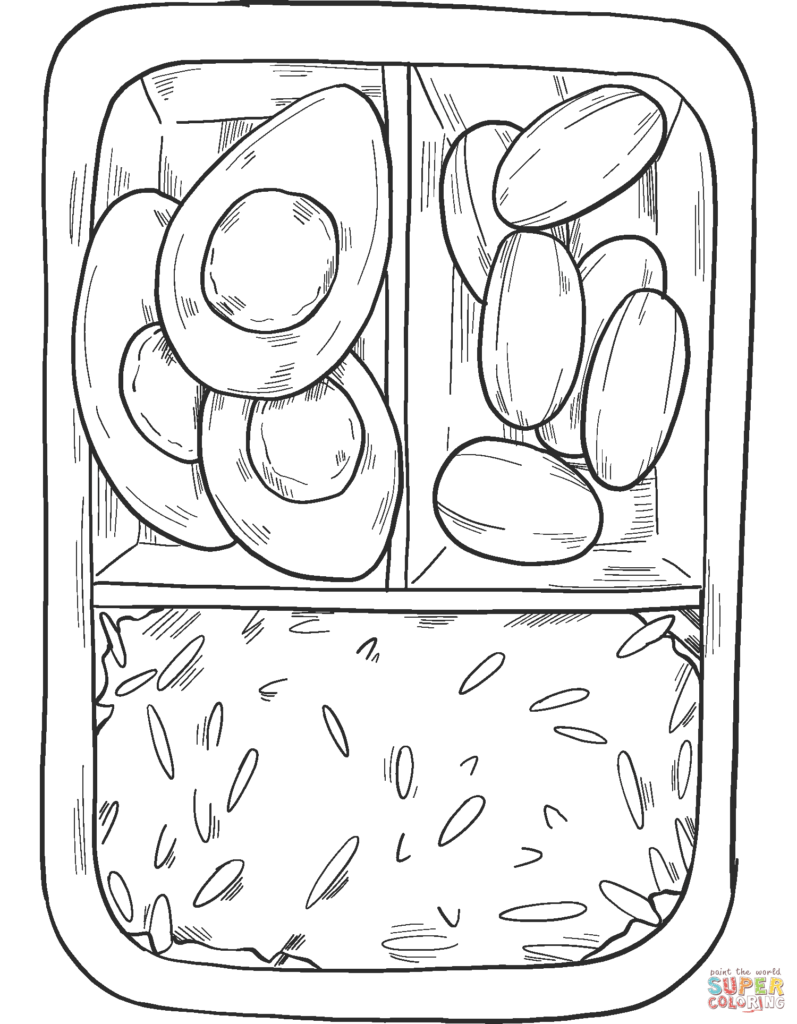
Conversation prompts turn coloring into a learning moment. Ask kids to name each vegetable, describe its growing conditions, or count the pieces in the lunch box. Mix in counting, sorting by color, or identifying textures. These prompts support language development and observation while staying light and playful.
Home, Classroom and Party Uses
Use these printable coloring sheets at home, in classroom centers, or during a party with a veggie theme. They work as a quick center activity, a take-home project, or a station at a birthday party. For libraries, offer a veggie-themed weekend activity where kids collect stamps after finishing a page.

Final thoughts: veggie pages fit many ages and settings. Printing tips: use bold lines, 300 dpi, and standard letter size. Pros and considerations: accessible and adaptable, though younger kids may benefit from simpler designs. Common questions: Q1: Are they age-appropriate? A1: Yes with prompts. Q2: Can pages be reused? A2: Laminate or use dry-erase markers. Q3: Do they build vocabulary? A3: They can with captions. Q4: Are they party-friendly? A4: Yes as a simple station.