As a homeschool parent, I juggle lesson plans, project timelines, and hands-on design challenges. Architecture sketches are a concrete way to teach geometry, scale, and spatial reasoning, turning abstract ideas into tangible drawings your student can review and revise. The process builds confidence as students see how measurements translate into space.
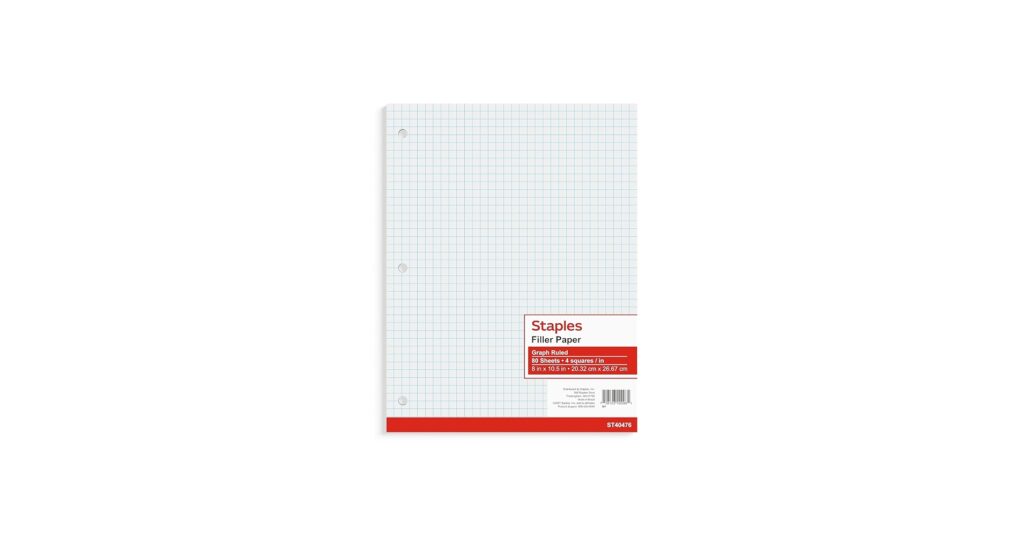
In our classroom, I often remind students that the right tool saves time. For families who shop smart, graph paper at staples sits ready on the shelf and fits standard printer settings so we can print repeatable templates for evolving projects. The grid becomes a shared language for measuring, comparing, and iterating, keeping drafts neat and ideas clear.
Use-case: Architecture sketches and floor plans
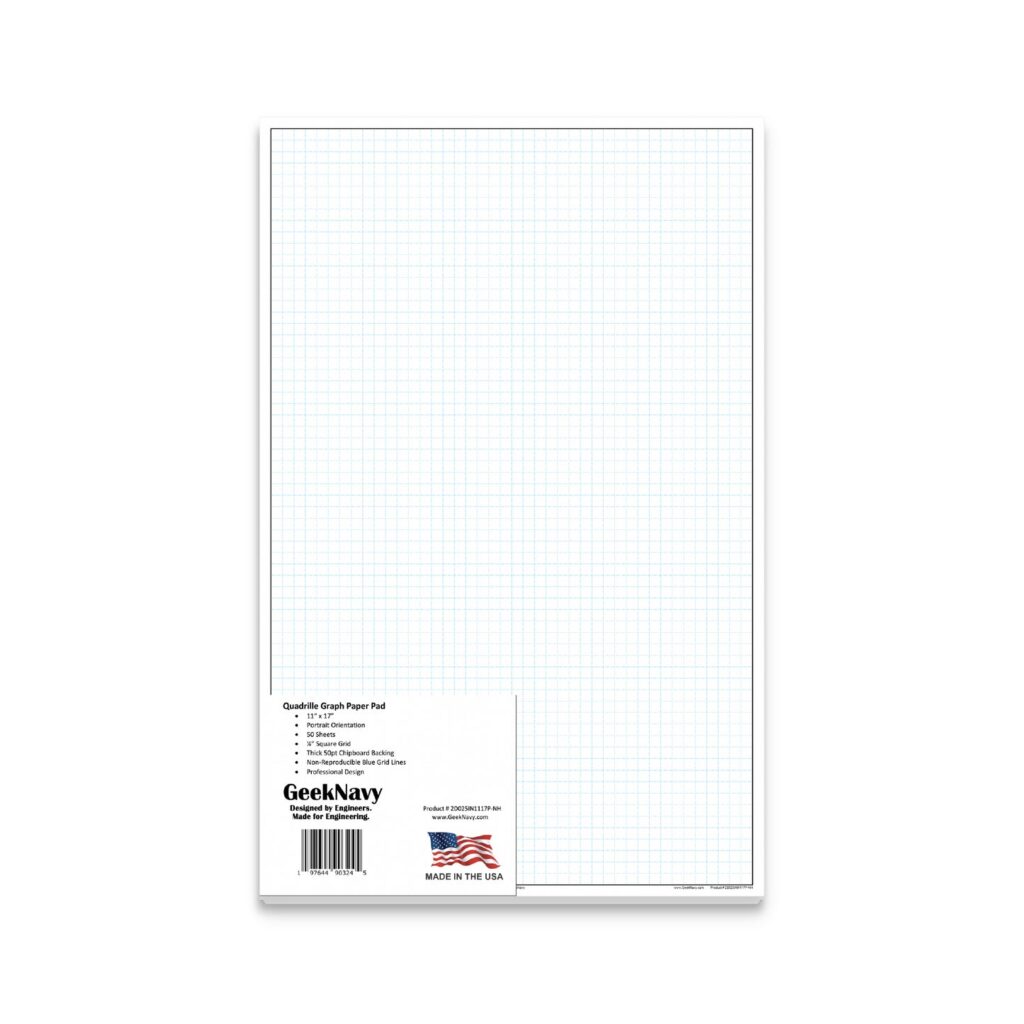
When we start a project, we measure a room, sketch rough ideas, and then transfer those ideas to a coordinate grid. This approach helps students see proportional relationships, like wall lengths, door clearances, and furniture footprints. Graph paper, grid paper, and printable grids provide a reliable framework for accuracy while encouraging iteration rather than surrendering to guesswork.
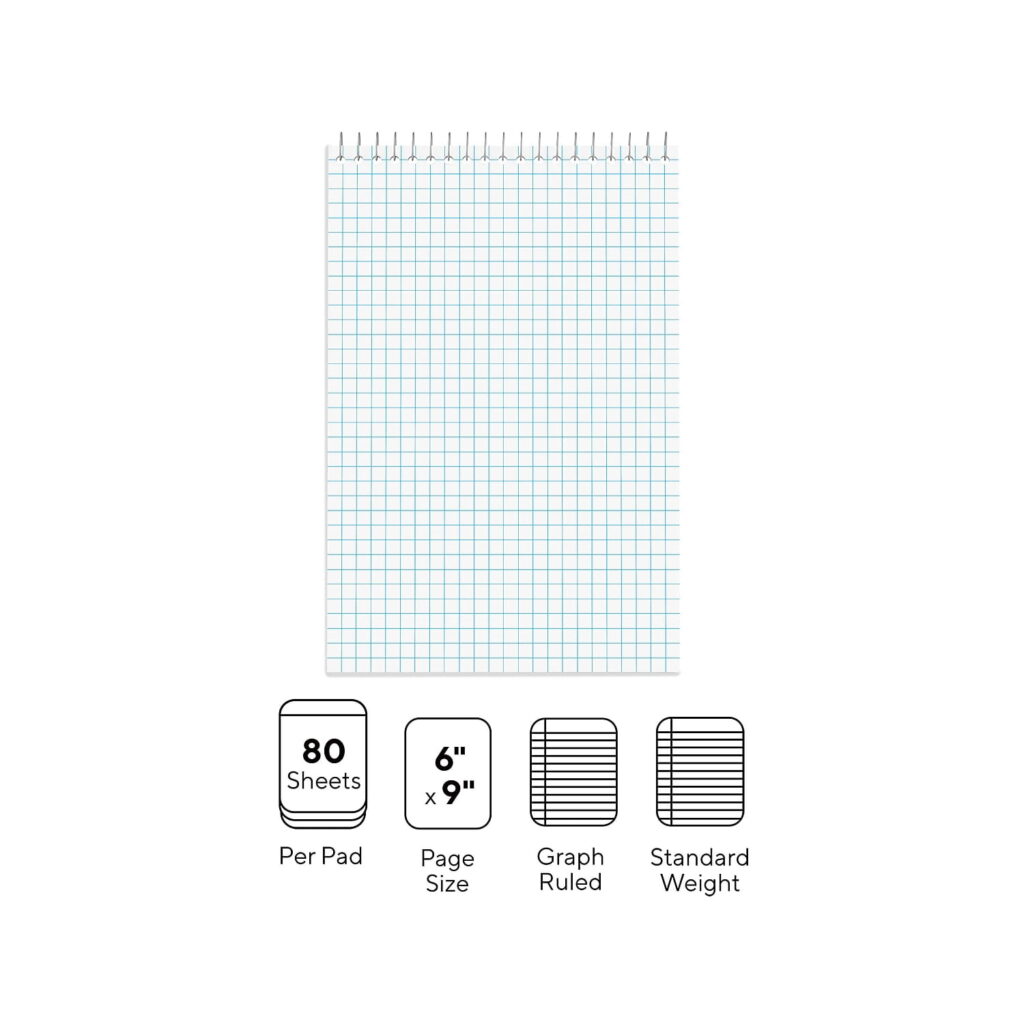
Begin by measuring the space in feet or meters, then translate those numbers to your chosen grid spacing. For example, 1/4-inch squares on a 8.5×11 sheet can represent a 1:50 scale while keeping the layout readable. Use a ruler and a simple scale stripe to maintain consistency across pages, which makes reviewing a project with a parent or mentor straightforward.
Starting with measurements
Choosing the right grid size starts with the project scope. A smaller grid (like 1/4 inch squares) captures more detail but uses more page space; a larger grid (such as 1-inch squares) is forgiving and quick for an overview. Discuss what you need to show in your floor plan with your student and adjust the grid to balance detail with readability.
Grid spacing and paper choices
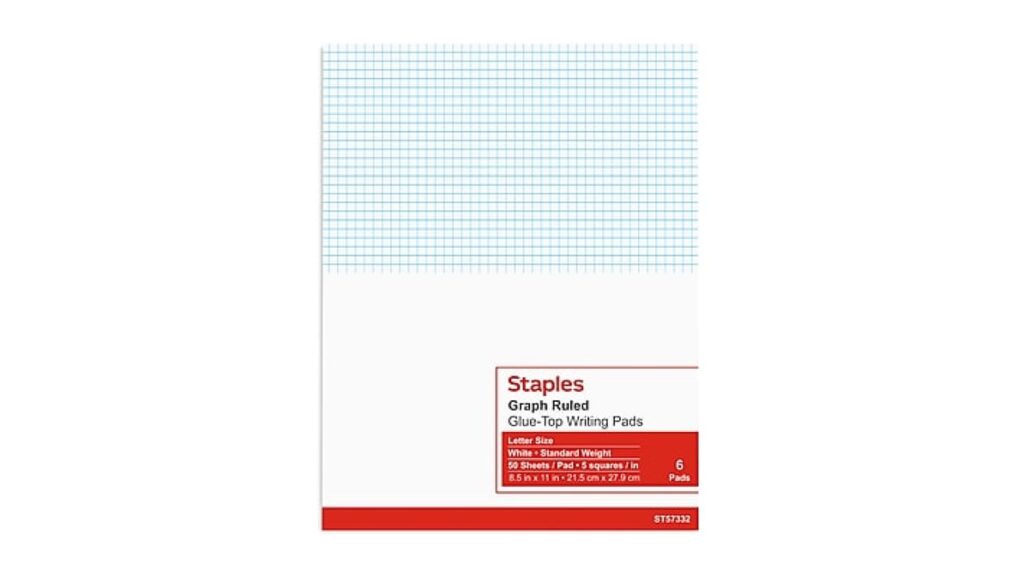
Grid spacing is a design decision, but it also shapes how students approach proportion. Coordinate grids help place walls and features with precise references, while square grids support quick estimates and straightforward counting. If you plan to print templates, ensure the grid aligns with your paper size and scale so lines stay true to size.
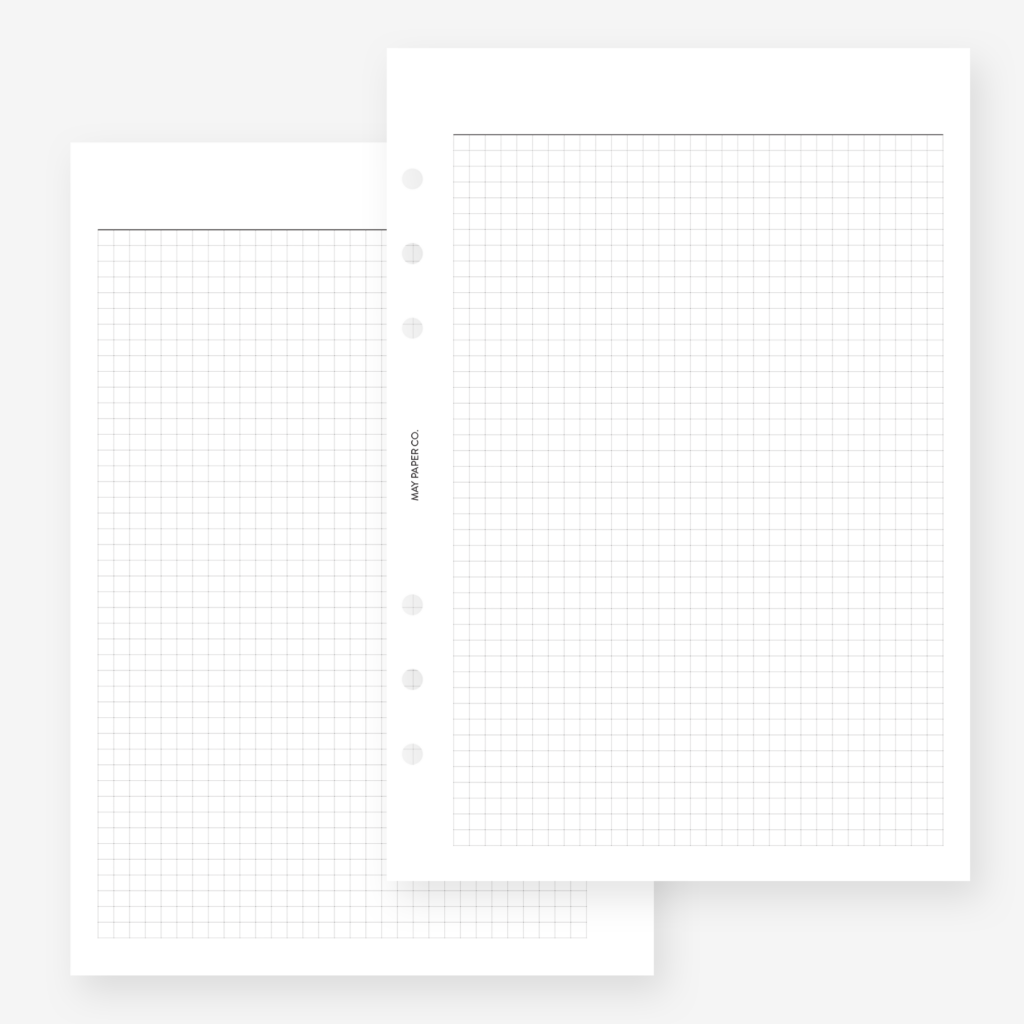
Printable grids come in Letter (8.5×11) or A4 sizes and can be oriented portrait or landscape. If you print a plan at a fixed scale, set the orientation to match the layout. Landscape often works well for long walls or rectangular rooms, while portrait can suit vertical stacks of space diagrams. Always confirm margins won’t trim essential lines before finalizing a layout.