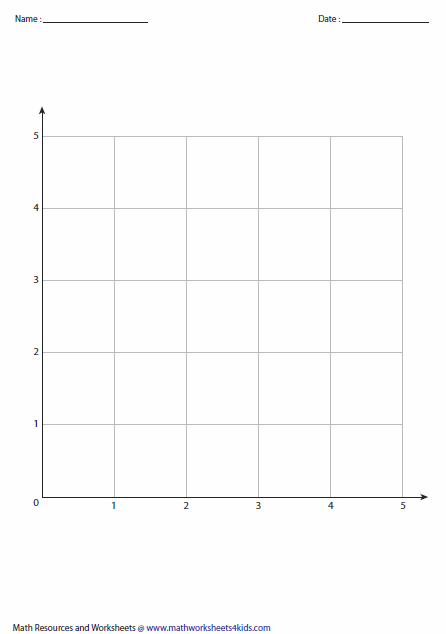
As an art teacher, I start class with a clean surface and a calm plan. A handy template for graph paper printable keeps lines consistent and saves time, so students can focus on rhythm, proportion, and composition, while I model scale, balance, and composition choices.
Graph paper, grid paper, and coordinate grids help beginners translate ideas into accurate drawings. A simple printable grid gives you reliable scale and margins, reducing guesswork. By practicing on a light, even page, students can map proportions, transfer sketches, and compare angles without scribbling over lines. This approach also trains their eye.
Grid size options
When you pick a grid square, think about the project. A 1/8-inch (3 mm) grid is great for precise drawings, technical sketches, and detailed studies, but it can feel busy for freehand layout. A 1/4-inch (6 mm) grid offers a calm balance for figure studies and pattern planning, while larger square grids support quick thumbnails and layout grids without crowding the page.
Try practical exercises to see what works. Draw a simple still life using a coordinate grid to locate key points, then compare proportions by shifting the subject across the grid. You can also use measurement grids to align typography layouts or comic panels, then test with a blank page to compare line equality.
Printing basics
Printing orientation matters. For most classroom projects, letter-size or A4 paper works well, and portrait orientation keeps tall sketches tidy. If you need a wider scene, choose landscape and a larger grid. Always leave even margins around the grid to prevent clipping and to keep the lines easily visible for classroom use.
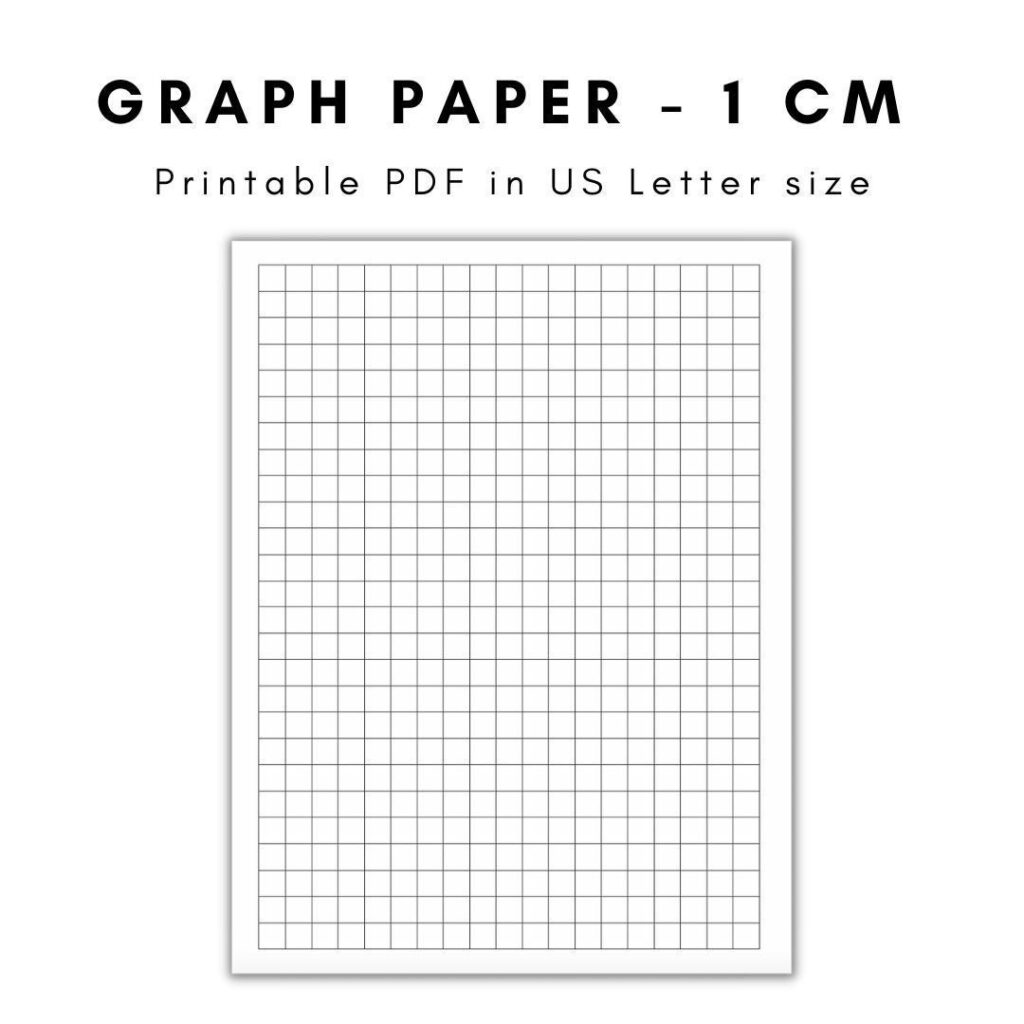
Printing scale is critical for accuracy. Start by printing at 100% (1:1) so the grid squares print true to size. 'Fit to page' or scaling options distort the grid, and even a little off can throw off measurements. If a printer crops, try a slightly larger paper size and adjust margins.
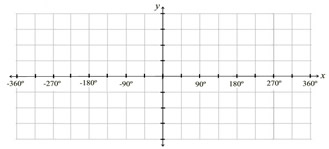
FAQ: Q1: How big should grid squares be? A: 1/4 inch squares are a versatile starting point. Q2: What paper size works best for everyday projects? A: Letter or A4 generally fits classroom work. Q3: Should I print at 100% scale? A: Yes, for accuracy, avoid 'fit to page' unless you verify the result. Q4: How can I verify margins and alignment? A: Print a test page, measure with a ruler, and adjust margins for consistency; Finally, start with standard letter-sized paper and 1/4-inch squares as a reliable baseline.