
On a busy morning, I reach for a printable medication tracker and realize how a simple sheet can save us from chaos. As a stay-at-home dad, I juggle kid alarms, lunch boxes, and school notices, and this tiny tool helps me stay steady when the day starts with a dozen moving parts.
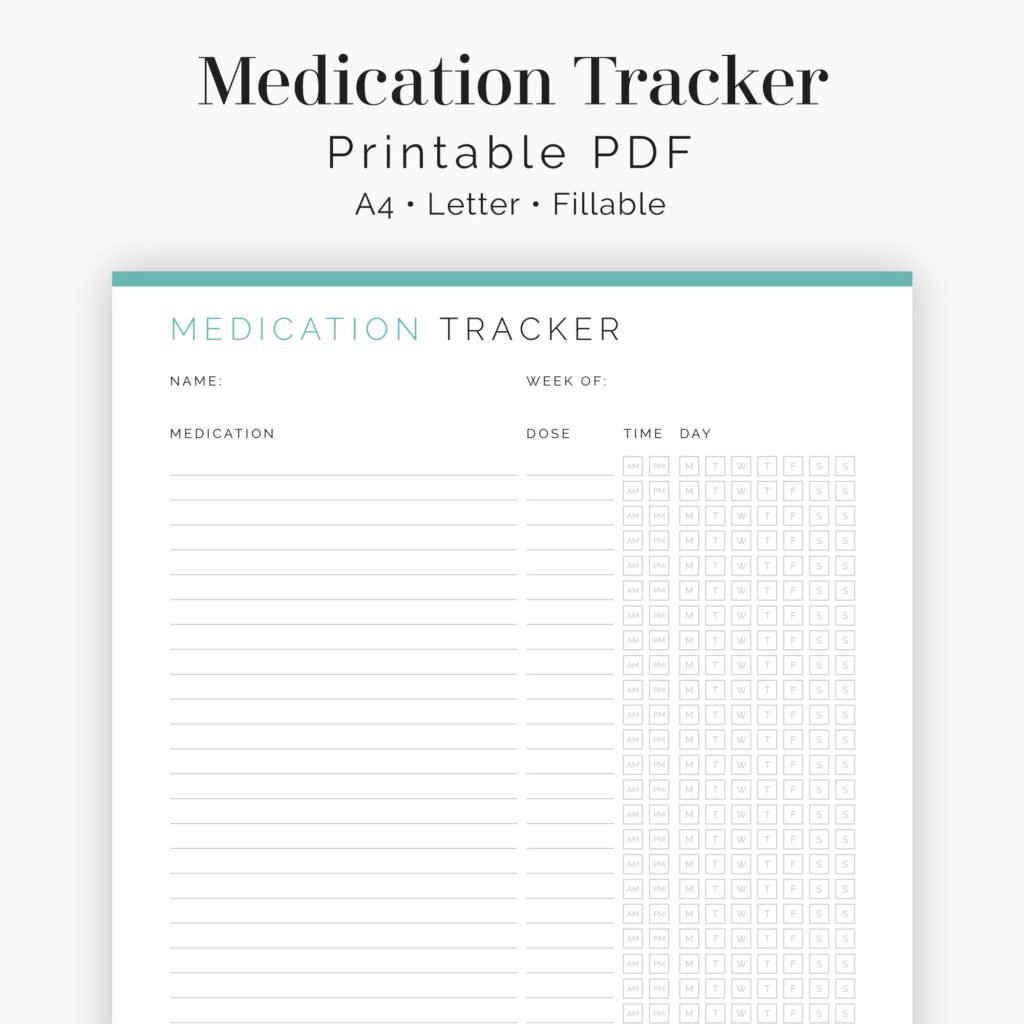
My first attempt happened before we had a consistent routine, when mornings felt like a sprint. I printed a generic calendar-like sheet, filled in two kids' meds, and tucked it into the kitchen corkboard to glare at us. By mid-morning, the handwriting blurred and I found myself double-checking dosages in a rush, juggling cups, backpacks, and the fastest way to get everyone out the door. It was obvious I needed something clearer, with simple labels, bigger boxes, color hints, and a layout that leaned toward quick scanning in a hurry.
First attempt
Lessons learned shaped the second version. I swapped to a larger font, used bold labels for each med, and split the page into morning and afternoon columns, with a slim ruler mark to keep times aligned. The checkboxes meant someone could confirm a dose with a quick tick, not a paragraph of notes, and the patient reminders could stay visible on the fridge. I also added a short legend to show who administers which pill for Mom, Dad, or a grandparent, so substitutes could act without hunting for paperwork.
From there, I learned to tailor the printable to the moment. For school days, a compact, single-page layout worked best, with a clear space for the nurse's or teacher's initials and a small reminder bar for allergies. On weekends, I preferred a bigger grid that could cover several days, plus a notes line for special instructions and a quick space to jot who last administered a dose, along with a short bedtime routine cue. The right design felt like a helper, not a chore in our house.
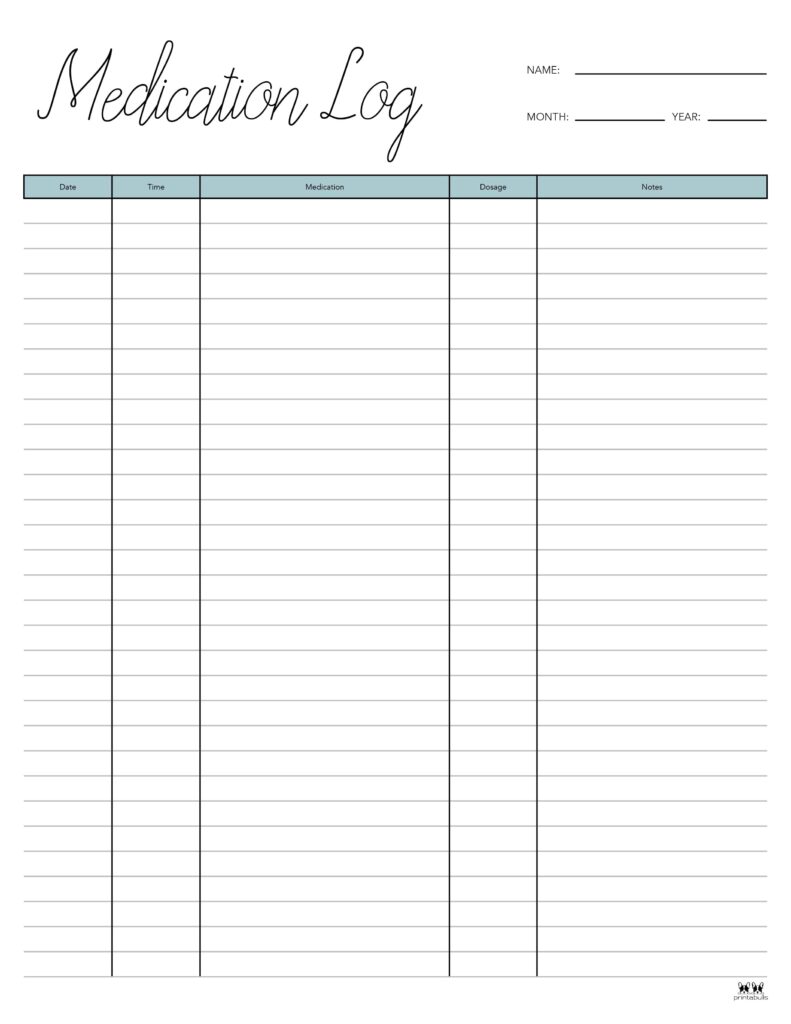
Choosing the right template
Midday stretches the plan again. On a typical afternoon, I prefer a printable with a glance summary—med name, time, dose, and initials—so I can save five seconds before the next activity, and a parent can glance while pouring snacks, steering the pace away from chaos. In the classroom, I keep the sheet simple, laminated, and in a clear pocket, so substitutes can read it without fiddling.
The balance between detail and speed matters, especially when the schedule shifts and we need a backup, so we never feel caught off guard.
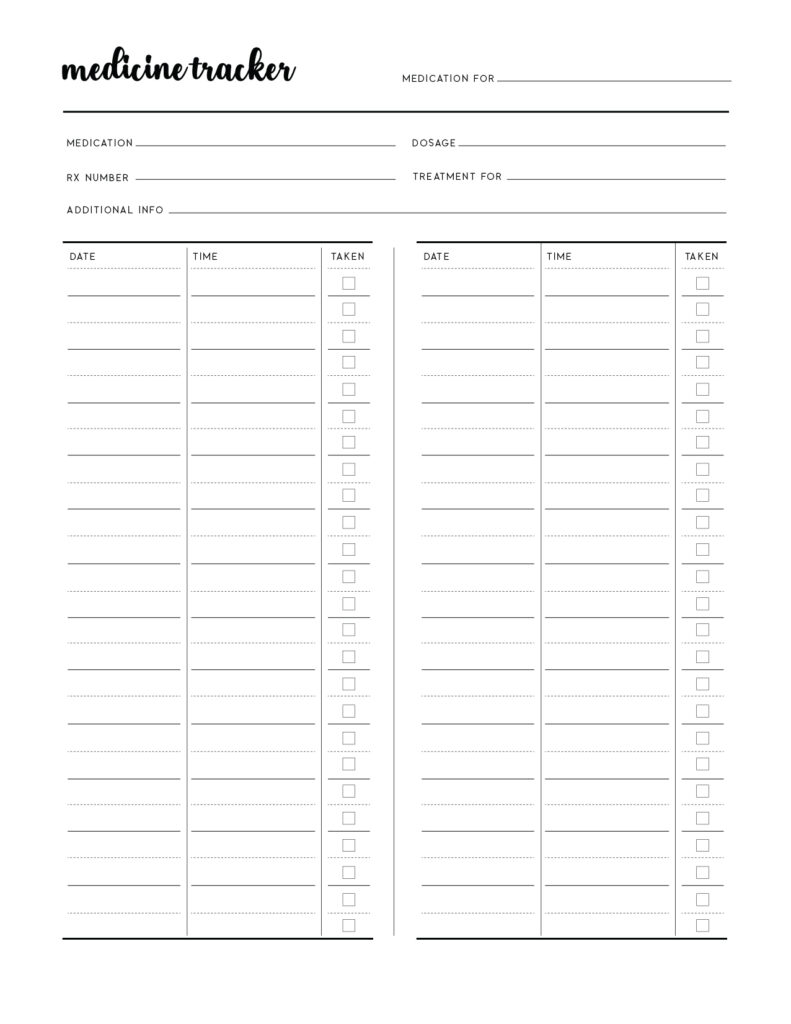
Of course, no printable is perfect. When a caregiver forgets to fill in a line, or a spill ruins ink, I learned to keep a spare page and a pencil handy, plus a small note card in case a substitute arrives. My practice now includes quick daily checks at breakfast, and we switch to a reusable whiteboard sheet if the week gets busy, or if someone prefers a magnetic cue. The biggest tradeoff remains legibility over completeness, and sometimes the handwriting wins.
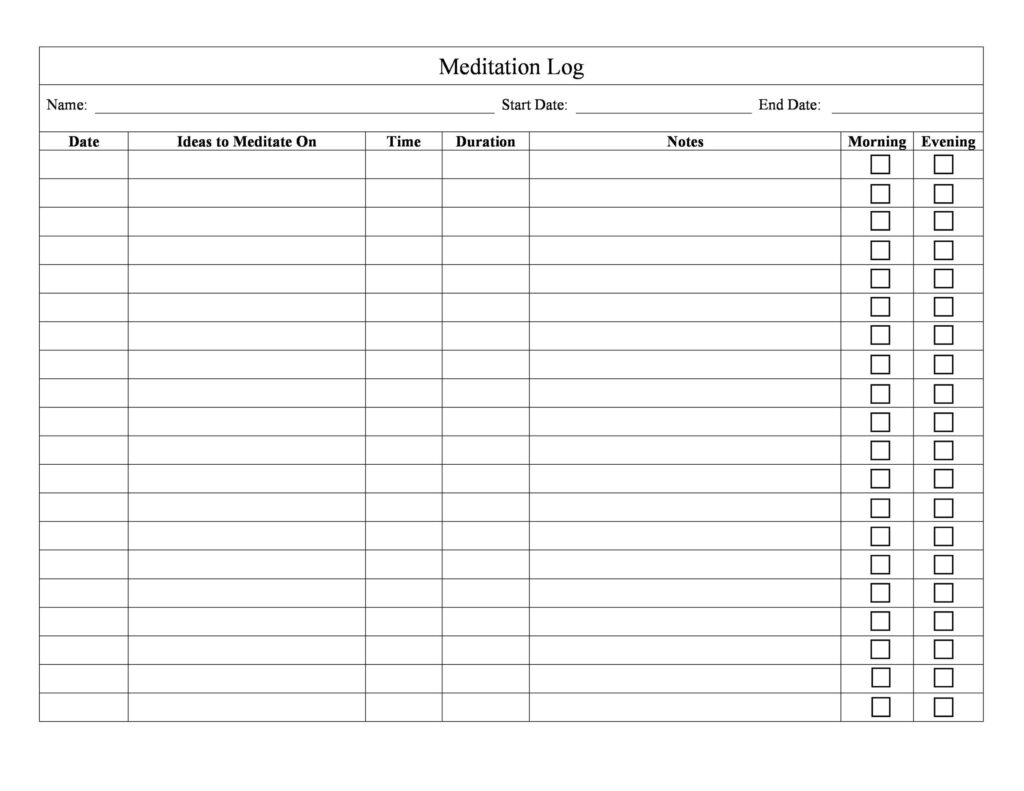
Bottom line, the best approach is to match the printout to the day’s demands. Some mornings call for a compact, high-contrast page; other days need a larger grid and more space for notes. I keep a small binder with a few option templates and switch between them as schedules shift. With a printable medication tracker at hand, we gain confidence that the medications land where they should, when they should, and that small mistakes become far less likely, which brings a quiet kind of relief to our daily routine.