
As a designer who spends days turning ideas into friendly printables, I know a grocery list can be a helpful nudge or a stubborn obstacle. My latest project, a basic grocery list printable, began as a quick weekend fix and quietly became a small, usable lesson for home routines.
I designed it to be calm and legible, not a design trophy. I kept a handful of simple categories—Produce, Dairy, Pantry, and Freezer—and left generous space for added items. The goal was to be quick to fill, and forgiving if someone preferred a longer note. I tested a few font sizes, then trimmed ornaments that would distract the eye. It needed to stay readable when tacked to a fridge, not a poster on the wall, keeping it practical.
A practical starting point
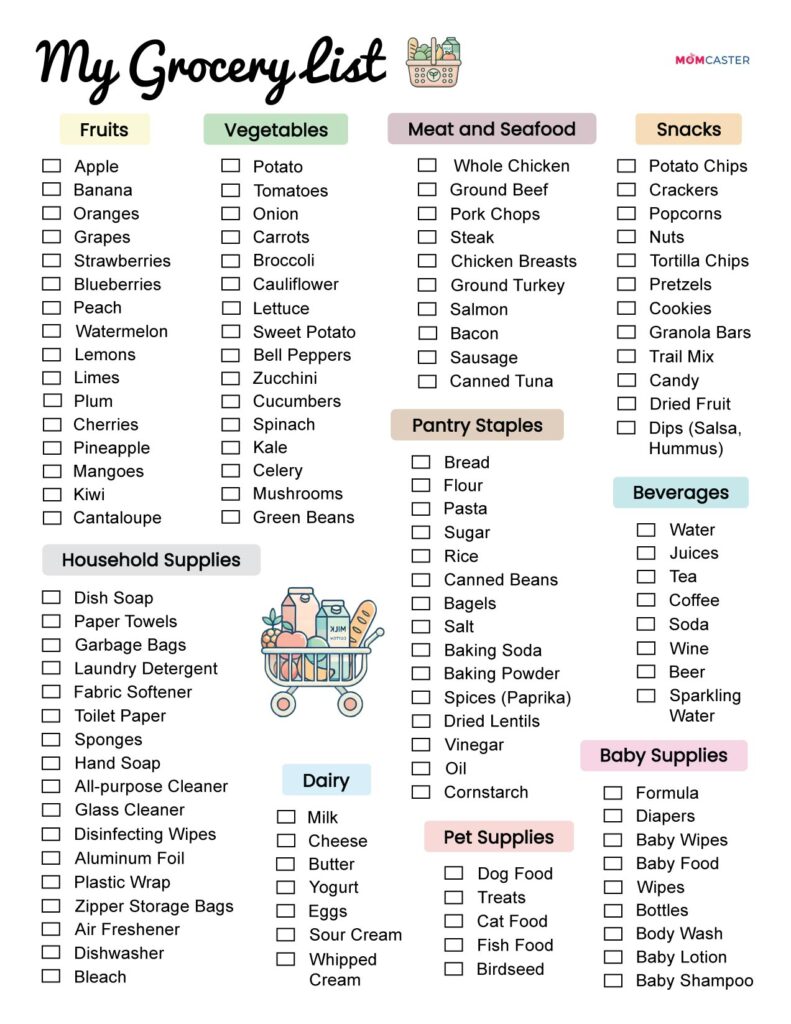
It wasn't about perfection, but predictability. I experimented with light borders and a single-column layout so you can print on standard paper without trimming. The checkboxes are subtle, enough to feel like a task without shouting. I also left a blank line at the bottom for a quick addendum, which makes room for those last-minute errands or family reminders. I chose a neutral palette to keep ink costs down and to ensure it prints cleanly on home printers in households.
Tradeoffs and limits
Back to that weekend test: I taped a copy to the fridge, invited my partner and kids to add items as they came to mind, and watched the list evolve with real needs. It still felt like a living document, not a finished product, changing with weekly groceries and small household quirks. The lines are generous but not endless, so you don't end up with a sprawling page, and the margins keep everything portable.
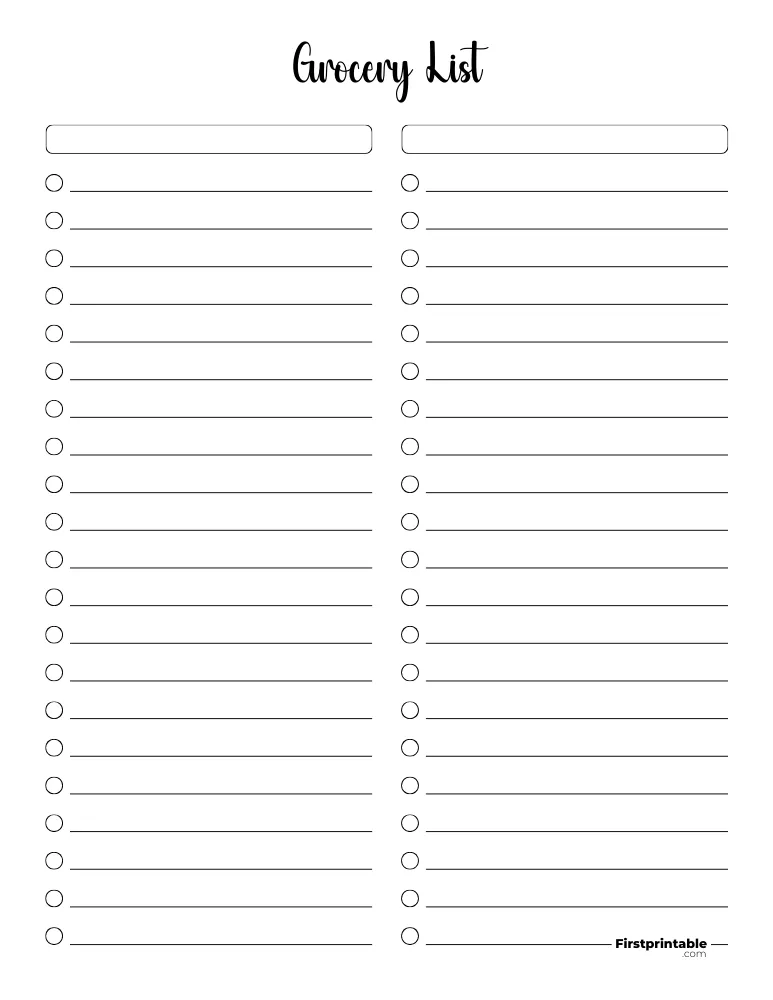
I would experiment with a two-section layout on the page—one column for essentials, another for occasional items—to see if families actually use both lanes. I would also consider a lighter paper or a perforated edge so the sheet could be folded in a pocket after shopping. The biggest takeaway is that a well-made printable is only as useful as how you actually use it, so I test with real households and adjust as needed for families.
Best use cases
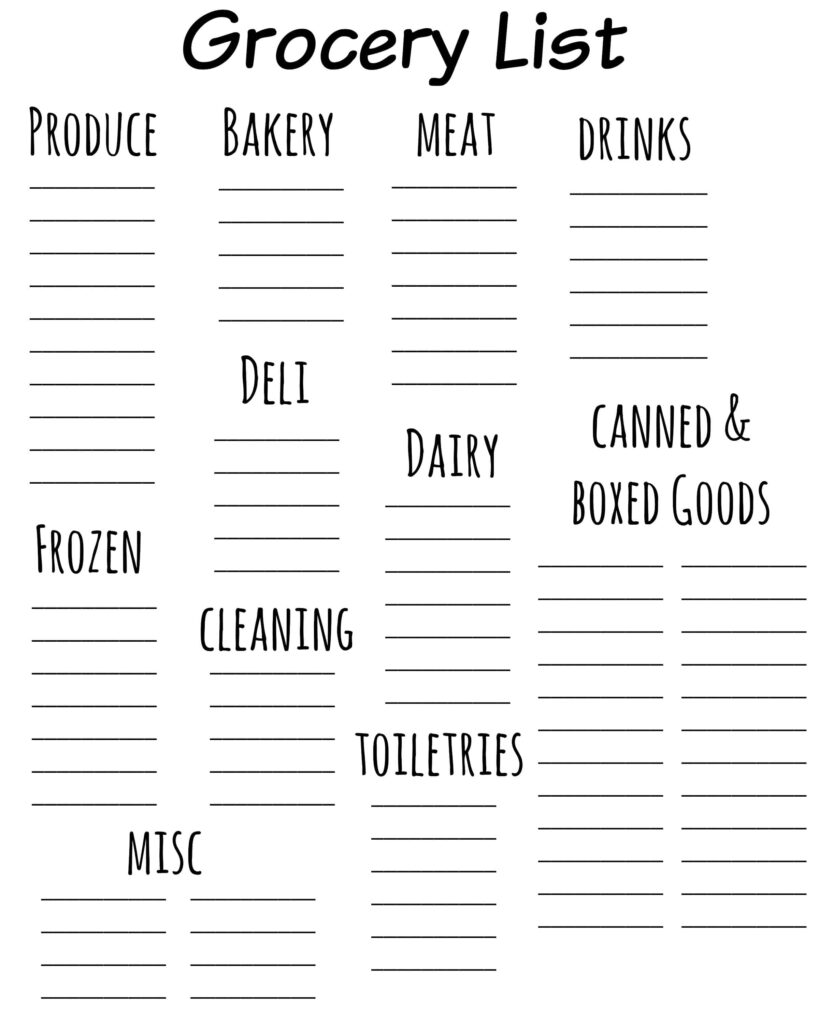
Who benefits most? Busy households juggling work, kids, and after-school routines, as well as roommates sharing groceries, often find it reduces miscommunication and forgotten items. A family with rotating menus could use it to plan ahead and swap notes. A teacher in a small classroom kitchen might assign shop duties and track supplies. Seniors who prefer a simple, visible checklist also respond well to a clean, low-ink design for many. It scales from a freezer to a produce shelf.
I also see it as a starting point for customization. You can trim the margins, add a second page for pantry staples, or annotate with a pencil before shopping. If you share the print with someone else, they can tailor it to their own routine without cluttering your copy. The idea is portability and flexibility rather than perfection, so you can adapt it to different weekly rhythms without redoing the whole layout. For a test run.
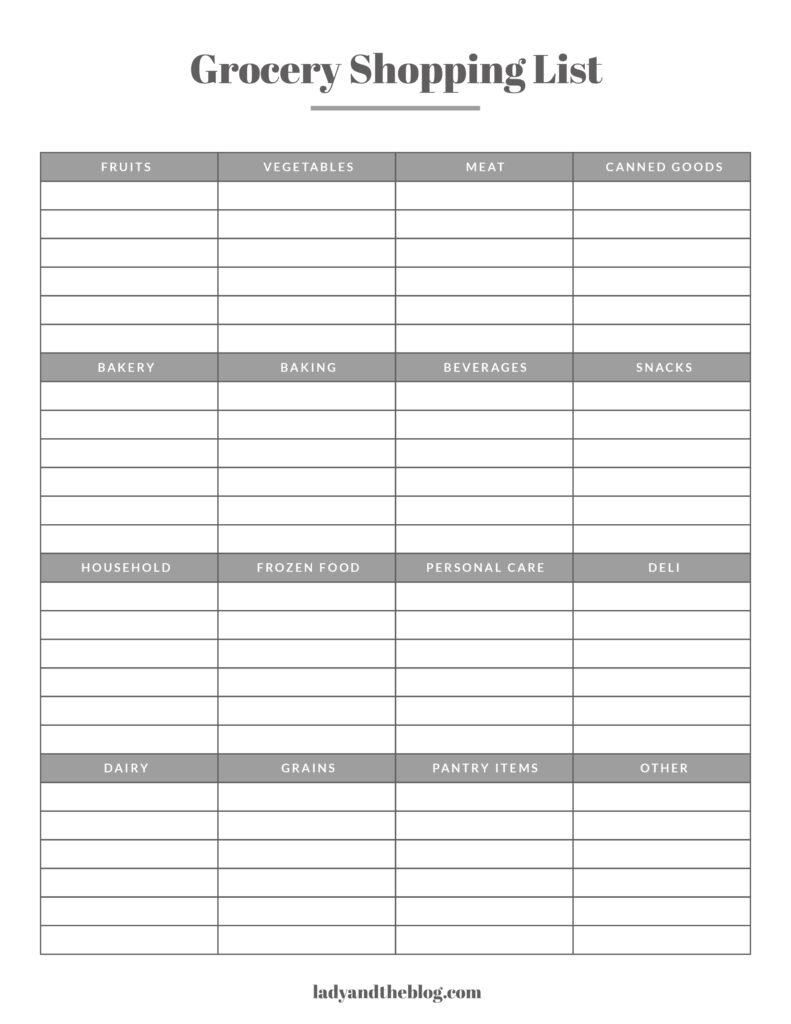
So where does a simple printable fit in a busy life? It won't replace planning chats or a pantry, but it can keep errands from spiraling into chaos. For me, the process of shaping this layout sharpened my eye for balance and legibility, and it reminded me that small tools gain power through consistent use. If you decide to try it, treat it as a tiny experiment you can tweak week by week, basic grocery list printable in your routine today.