
This morning I slammed the clipboard on the counter, frustrated by a calendar that refused to stay organized. My kids had drawn colorful boxes on the wall chart, but the magnets kept slipping, and the labels kept peeling. I felt the familiar tug of supply-stash fatigue—tape, glue dots, and a steady stream of tiny misfires. Then I spotted a printable magnet sheet option online and felt a spark of, maybe, possibility.
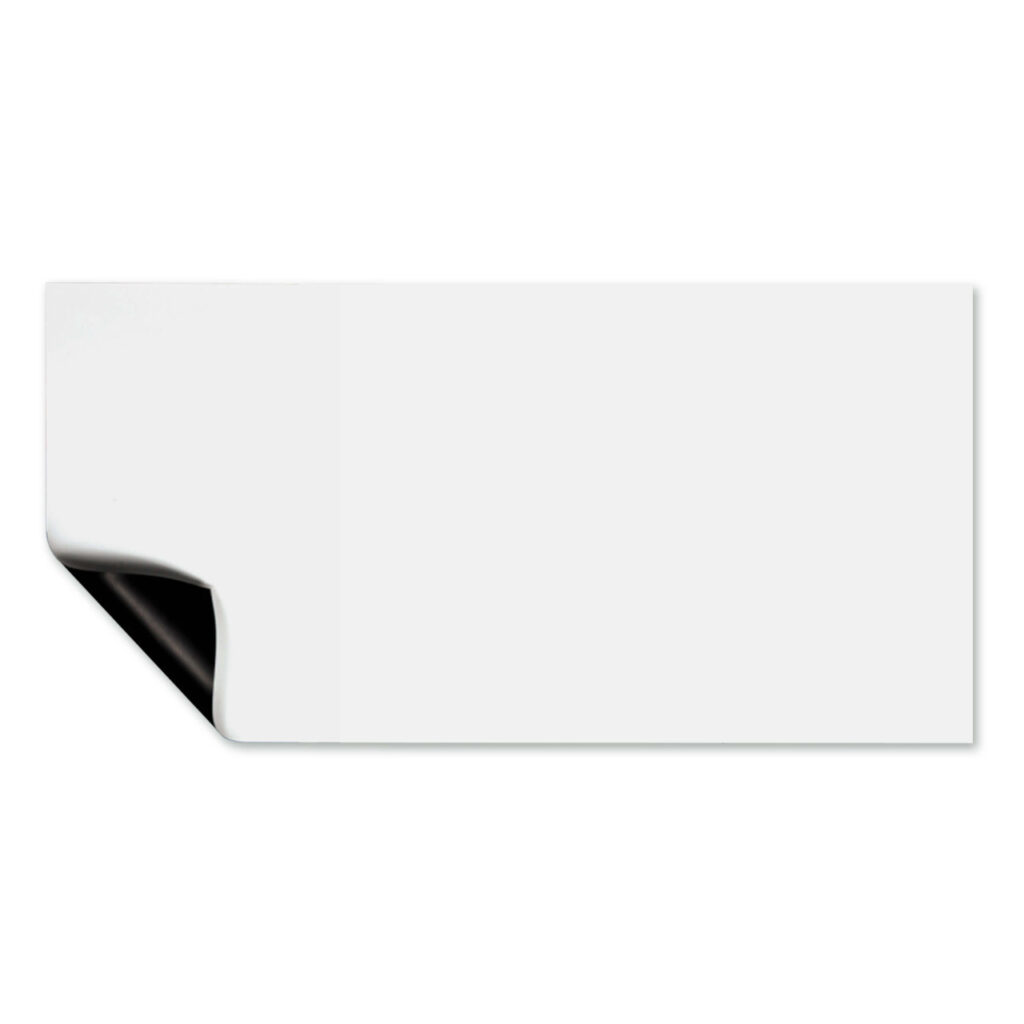
I decided to give it a try, not as a cure-all, but as a practical test. If I could design a few simple labels on my computer, print them with my home printer, and cut them to size, I might regain some order without reordering a whole classroom system. It would require patience and a learning curve, but the concept felt doable after years of juggling dry-erase, taped notes, and mismatched magnets.
I tweaked a few color codes and icons to keep things intuitive for my kids, and I promised myself I would pace the project so the fridge wouldn’t become a new canvas of half-finished experiments.
A practical tool
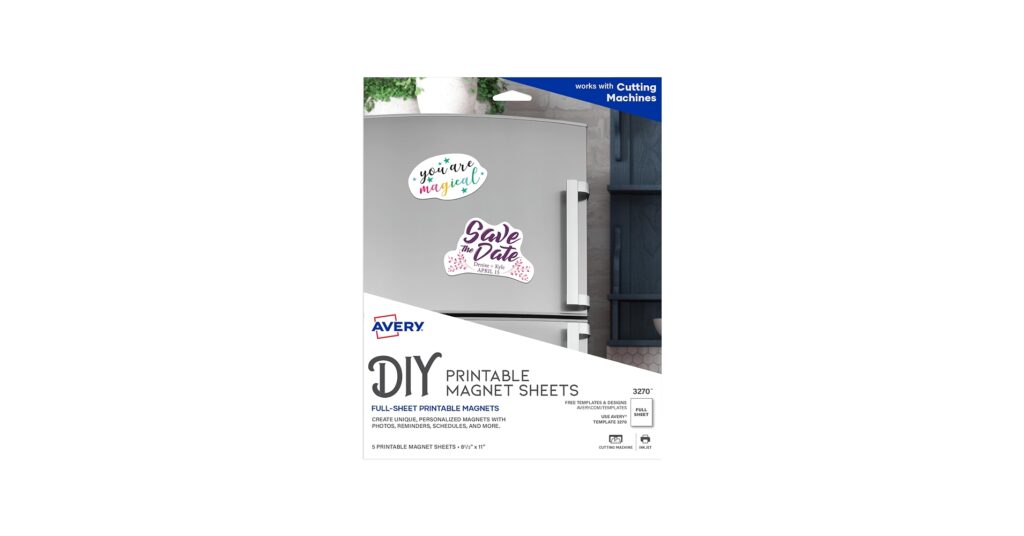
What sold me is the idea that a single sheet can turn a set of ordinary magnets into editable, reusable labels. In practice, though, I learned to temper expectations: print quality depends on your printer and the magnet’s thickness, and you must trim carefully to avoid peeling edges. Still, the ability to swap out routines or dish reminders without printing on each magnet board felt like real value, especially for a busy routine.
In my test box, I labeled a few shelf reminders and a family chore list to see how the magnets held up after a day of use.
Reality checks and tradeoffs
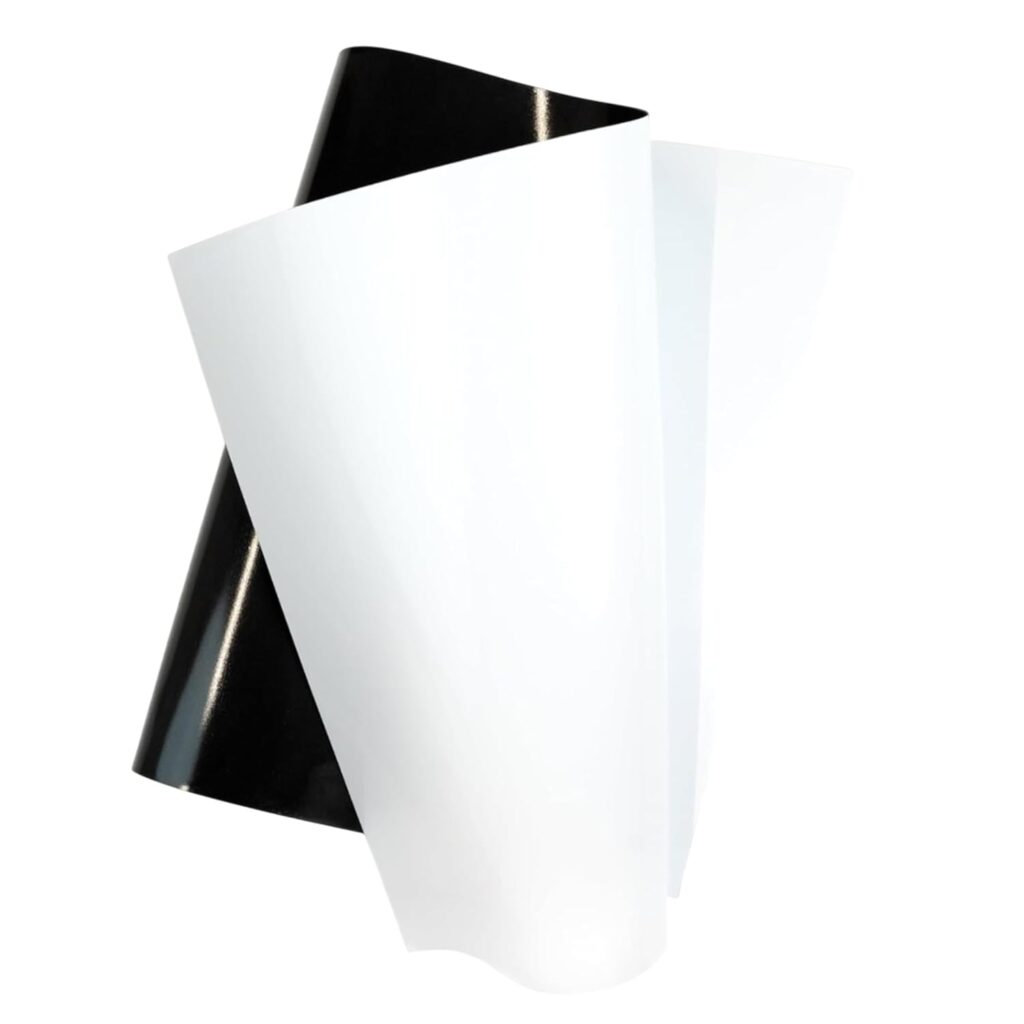
One honest lesson: these are useful for lightweight reminders, not for heavy magnets that need to cling to metal while a kid pulls a paper off. Durability hinges on the magnet’s backing and the ink you use. I discovered I could seal a test print with a light laminate or adhere printed sheets to a stronger magnet backing, but that adds steps and cost.
Still, the flexibility suits quick changes, which is what we often need at home or in small classrooms. I also learned that you should print a test page on plain paper first to check alignment before touching the magnets.
Another realistic scenario is layout and legibility. I’ve found that simpler fonts, high-contrast colors, and a little margin around the edges make a big difference when the printed labels are viewed from across a room. It’s not a flawless system, but with a little trial-and-error, you can produce a handful of clear, replaceable notes that won’t smear or fade too quickly under normal use.
Choosing the right material
When I compare this approach to laminated paper or vinyl decals, I see a few clear tradeoffs. Laminated paper is cheaper but prone to peeling off magnets; vinyl sticks well but requires precision cutting and a neat finish. A ready-made magnetic kit can offer consistency but less customization. The printable route offers on-demand updates and a familiar workflow, which matters when you’re balancing a busier schedule.
If you’re helping kids prep for a school routine, I’d start with a small set: a few color-coded labels for the weekly plan, a couple of icons for chores, and a quick reminder strip. Print a test page on scrap magnets first, then adjust type size and margins before committing to a larger batch. The goal is to avoid waste while discovering what actually sticks in your space.
For me, the payoff isn’t perfection but practicality—the sense that I can tweak the system as we grow, without committing to a fixed layout. I keep experimenting with different designs, but I always come back to this simple truth: a printable magnet sheet is a helpful stopgap when time is tight and ideas are changing, a small reminder to test, adjust, and stay realistic about what the magnets can and can’t do.