
As a printable designer, I spend hours dialing in grids, margins, and fonts to keep things calm and readable. When a busy afternoon needs a quiet activity, I reach for printable free word search puzzles, hoping they bridge a few minutes without chaos.
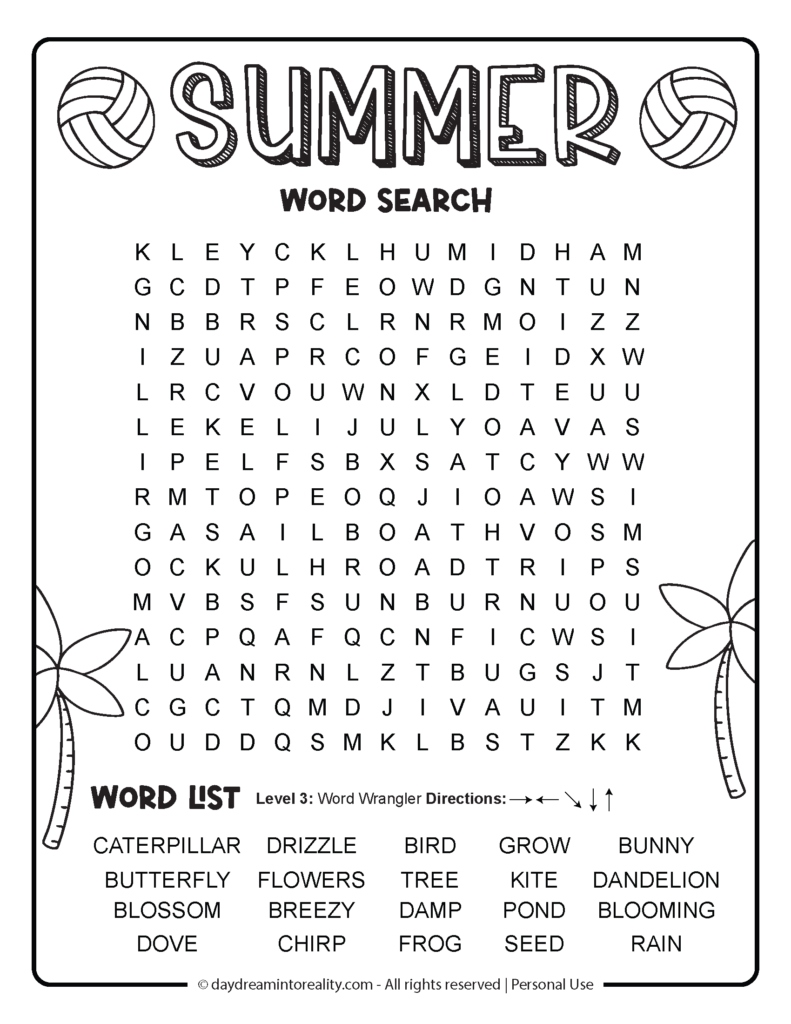
On a Friday after the last bell, I pulled a test sheet and lined up a dozen mini-puzzles on a bright clipboard. The plan was simple: a quiet, portable activity for a small group waiting for a ride, not a full lesson. I watched one kid trace the letter hints with care, another circle names, and a parent breathe out, relieved that the moment had stayed calm. It wasn’t glamorous, but the setup felt approachable and repeatable. That sense of predictability counts when time is tight.
Realistic expectations
Realistic expectations matter. These printables work best when you print in grayscale for contrast, trim with a tidy margin, and choose a scope that suits the age group. They’re not designed to replace a lesson, but to offer a predictable activity that can slot into a transition, a hallway wait, or a parent-teacher conference. I design for quick completion and clear instructions, so a child can finish a page with minimal help, then move on to something else.
The goal is calm engagement, not a dramatic breakthrough. That extra care adds time to the design process, but pays off when a page feels intuitive.
One tradeoff I notice is that smaller grids demand sharper eyes, and even a sharp printer can blur tiny letters at the edges. So I include two difficulty levels and a simple answer key to reduce wandering. Another constraint is repeat exposure: if a page is used in every class, the novelty wears off quickly. The cure is variety—swap topics, fonts, or word lists, and offer a quick clue sheet for younger kids or a synonym hunt for older ones.
In short, there’s room to adapt, but it won’t magically fix every moment. I test the pages on a real printer, then adjust line height and spacing if letters blur.
Practical notes
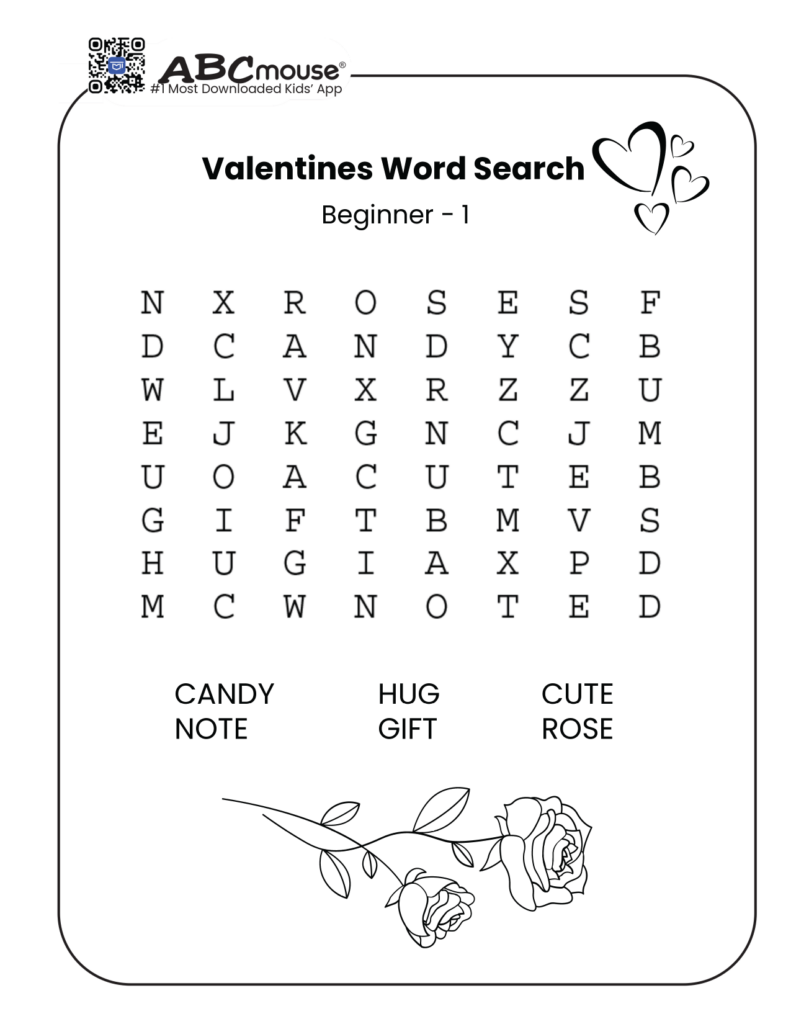
To make this approach work in a real home or classroom, I keep a simple workflow. Print the pages on standard letter size, one-side to avoid bleed-through, then slide them into a clipboard or a small binder. Offer a timer and a short list of word categories to spark curiosity if someone finishes early. I also save a few extra pages with larger type and higher-contrast colors for younger learners or for near-sighted eyes.
When I’m prepared, the texture of a quiet room feels less fragile. In a pinch, I’ll print a quick single-page sample to check readability before committing a batch.
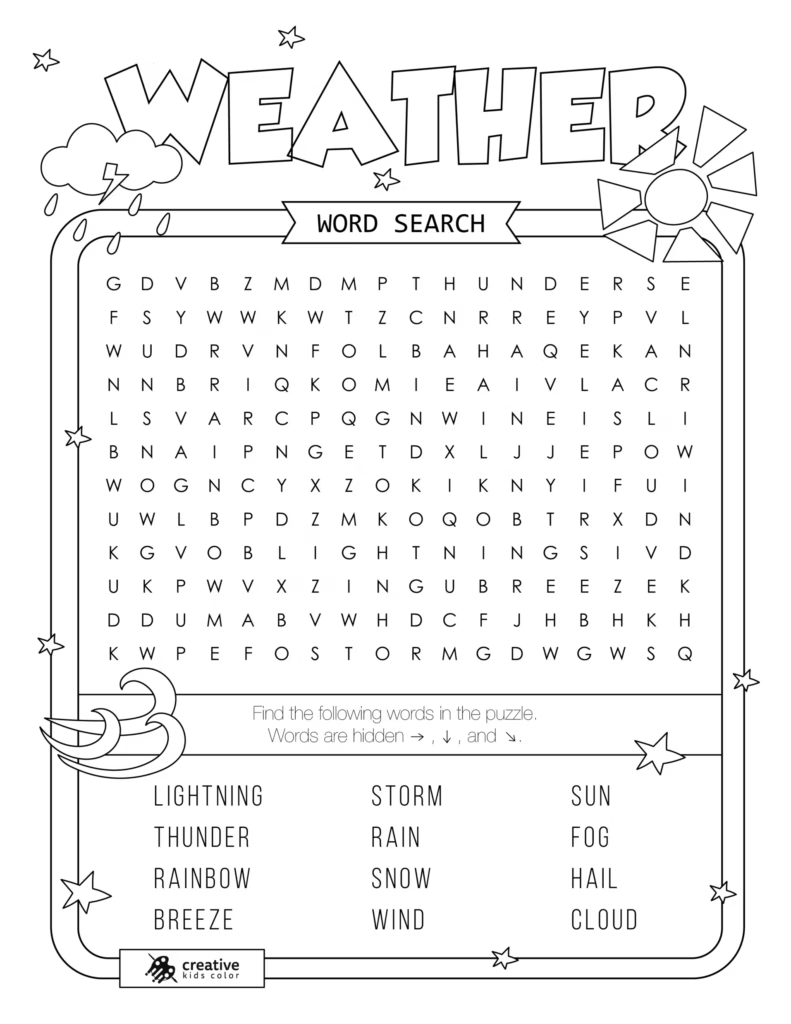
Choosing topics matters too. I aim for familiar, non-controversial themes—animals, foods, places—so families feel confident guiding younger kids. If a page lands in a shared printer queue at school, I make sure the file is clean, with clear margins and a forgiving grid size. The trick is to test a mock-up at home, note what confuses a reader, and adjust the list length.
It’s not about perfect phrasing; it’s about accessible, repeatable calm. That tiny check also helps me avoid complaints from parents about the page being hard to read.
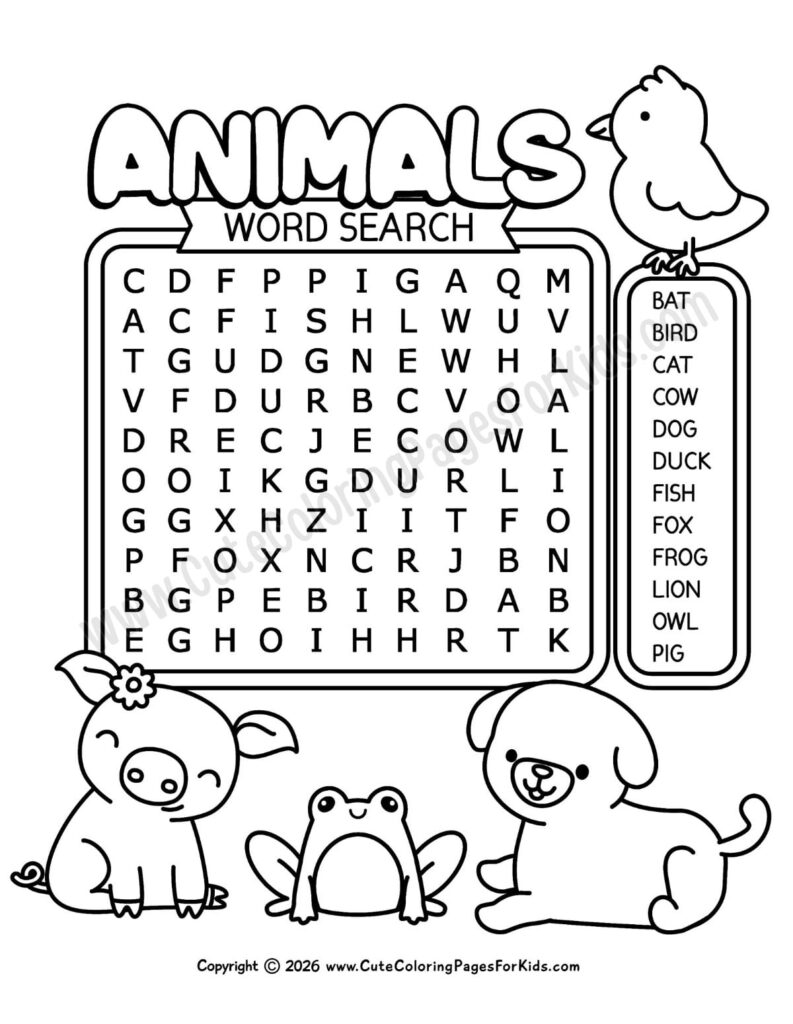
Bottom line: these tools help when used with honest expectations and a little planning. They aren’t an instant fix for every delay or a substitute for engaged activities, but they can buy a moment of structure without dragging in a heavy prep routine. If you keep a small stash of varied sheets, a simple timer, and a willingness to adapt, you’ll likely see fewer interruptions and more opportunities for quiet collaboration.
When you need a quick, low-friction solution for a crowded afternoon, reach for printable free word search puzzles and give yourself permission to adjust as you go.