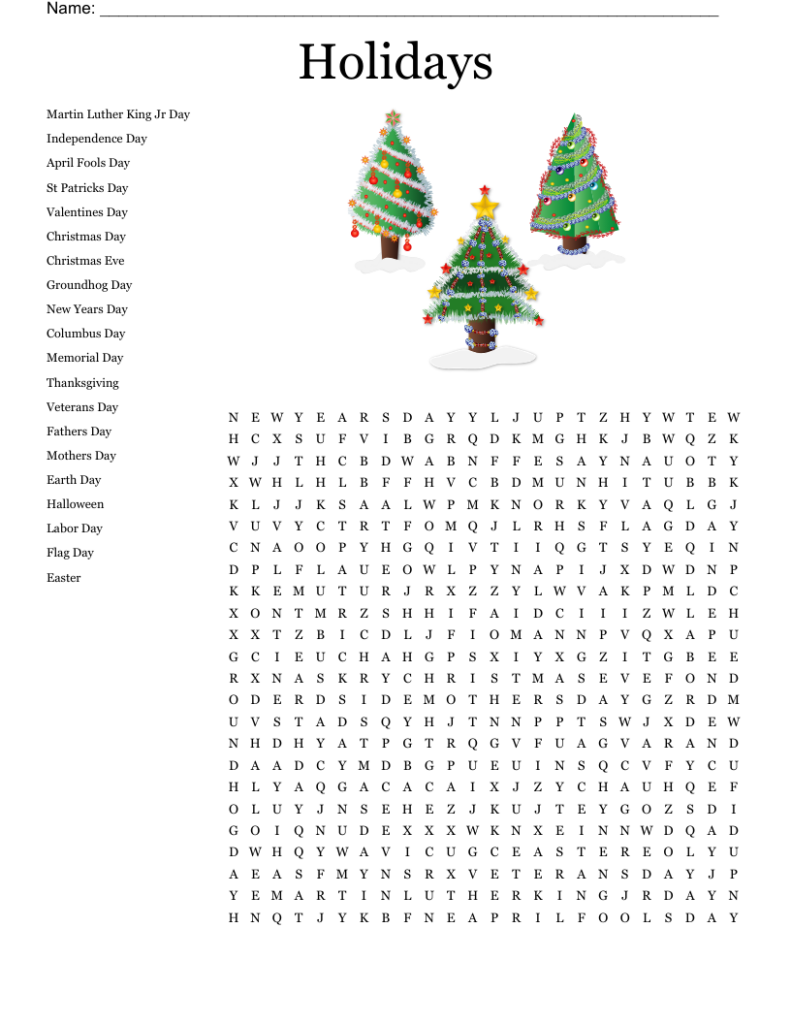
December mornings in our homeschool are busy, yet we carve out a quiet puzzle moment. I recently tried holiday word search puzzles, and they fit our routine without feeling forced. My kids grab pencils, and I watch the room settle from morning chatter into focused concentration.
On printing day, I pull a few pages from a printable pack and tape them to the kitchen table. We assign each person a corner, review a short vocabulary list, and set a gentle timer for twelve minutes. The kids chat a little, then settle into scanning rows and circling letters. It’s quick to finish, and we still have time for a snack. Sometimes a reluctant reader smiles when a word clicks.
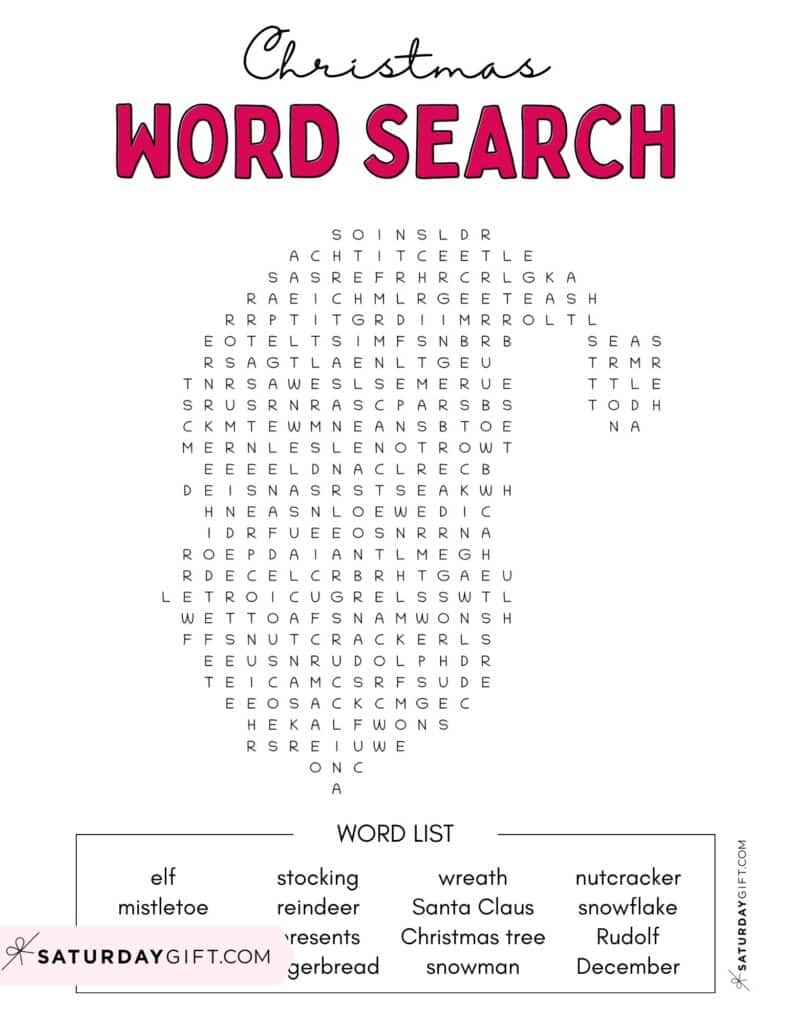
What it looks like
Watching them, I notice different strategies emerge. One kid starts with easy, obvious words, another cross-references a familiar set from last year, and the third reads aloud to catch spellings. The activity feels inclusive: quieter kids contribute by circling quietly, while the older student helps with tricky terms. The result is a light, shared stretch between subjects rather than a rigid drill.
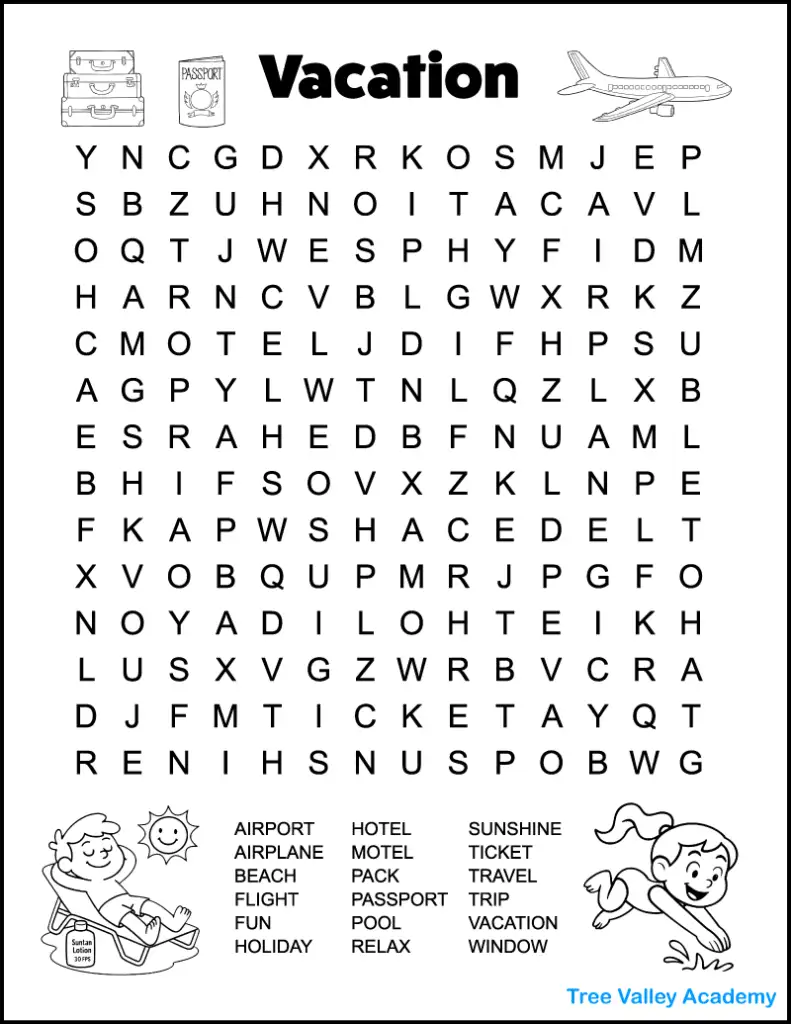
Benefits are modest but real: it reinforces spelling, pattern recognition, and careful attention without a heavy lesson plan. It also gives us a forgiving space to talk about holiday traditions while pencils hover over the page. I like that it can be done together or individually, depending on the day and mood. It doesn't replace reading practice, but it pairs well with a quick book talk after.
A real limitation
One honest limitation showed up quickly: some printable grids run small on standard paper, so my younger kids struggled to fit the letters without leaning in. We solved it by printing a larger version or using high-contrast markers. It also isn’t a substitute for hands-on crafts, so I avoid relying on it as a fixed routine.
Practical tweaks
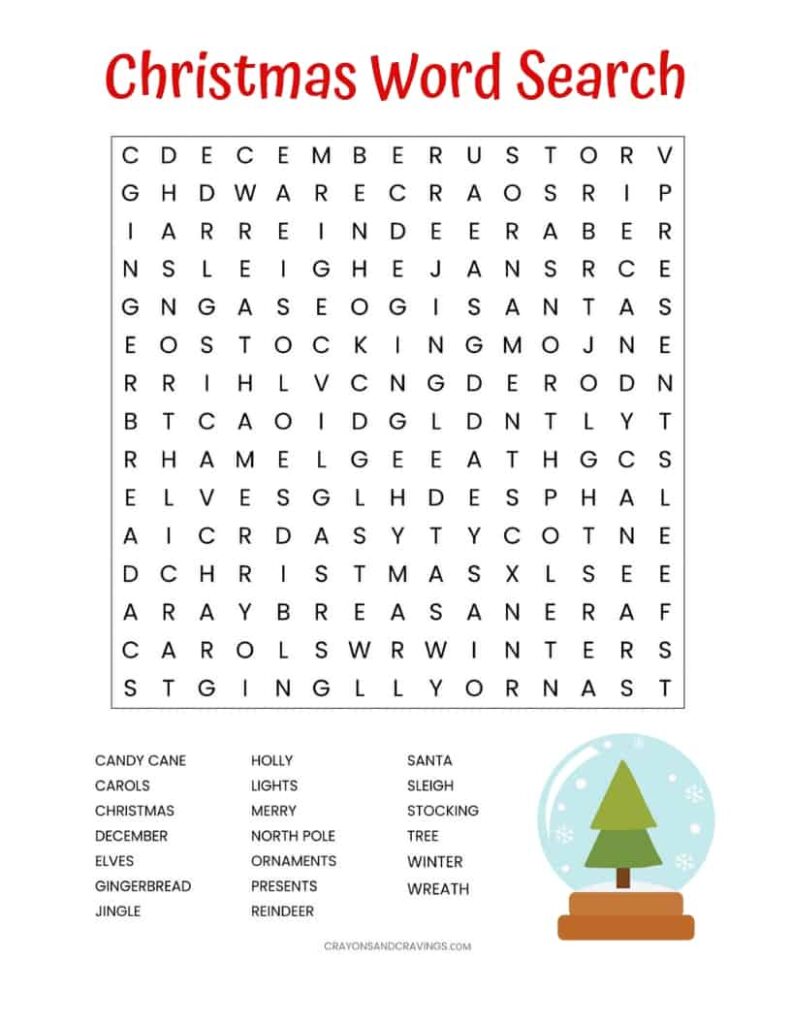
To make it work, I look for puzzles with clear fonts and a short word list, and I pre-check for overlap with what we're studying. We pair the activity with a quick discussion about winter holidays, or use it as a transition between subjects. It’s a simple, low-prep option that fits a busy morning. If a page feels stale, we swap in a different theme or add a few visual cues for help.
Plan a 20-minute block: print one page, set a timer, and offer one hint if needed. Afterward, share a quick recap aloud, noting any new vocabulary. If a child finishes early, we add a tiny extension, like tracing shapes around the grid or writing one sentence about what they learned. We save the best pages for a cozy afternoon or a rainy day.
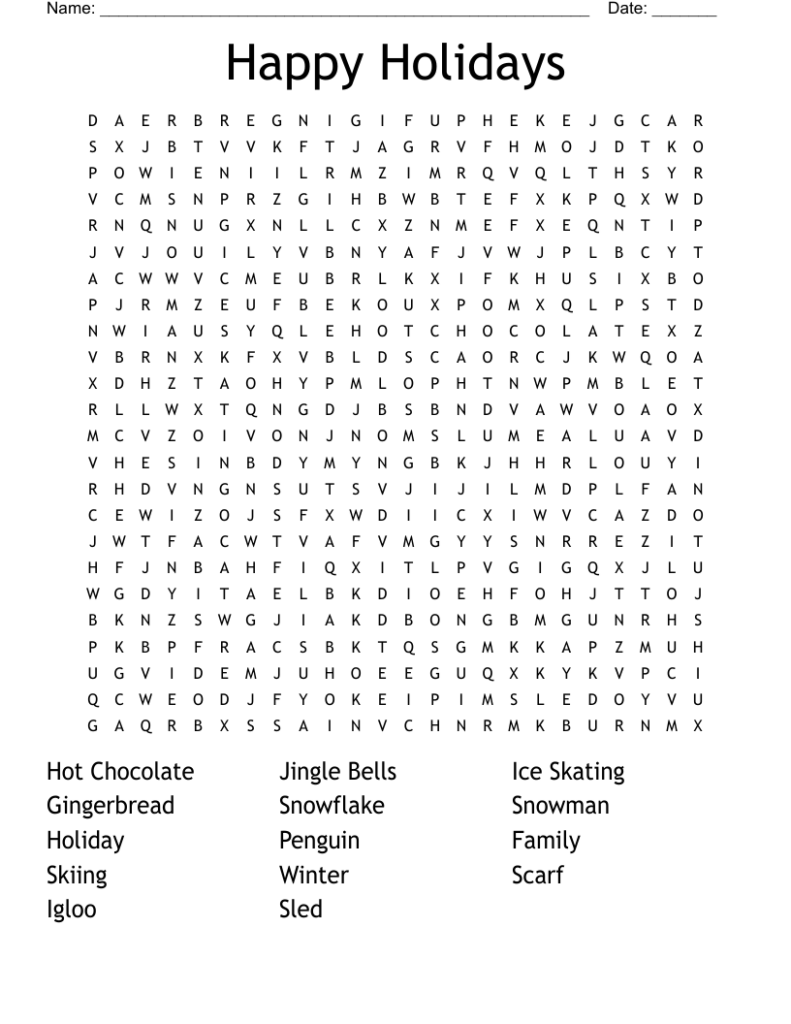
As we wrap up, I remind myself that imperfect but steady routines beat sporadic bursts of excitement. The puzzles won’t replace real reading or hands-on projects, but they smooth the seasonal lull and give us a shared focus. If you’re wary of worksheets, try them as a flexible moment between chores and crafts. With patience, these calm bursts become part of our holiday rhythm, holiday word search puzzles.