
As an art teacher, I rely on grid paper to help students see proportion, balance, and rhythm. The quiet guidance of evenly spaced lines keeps sketches focused while inviting experimentation. A simple sheet becomes a starting point for careful observation and creative decisions.
Using grid paper with numbered axes helps students transfer imagery from rough sketches to precise studies. It balances accuracy with freedom, supporting exercises from still life mapping to perspective practice. When you print and share assignments, the print graph paper with numbers option keeps measurements visible at a glance. That clarity supports discussion on composition and scale. It also serves as a quick reference during critique and revision.
Choosing grid size
Understanding grid spacing helps students plan scale and margins. A square grid with 1 cm or 0.4 inch spacing suits first-year drawing, while tighter grids aid fine line work. When we move to larger studies, coordinate grids can guide accurate placement across a composition. The key is to align paper margins and grid edges before starting. This approach reduces trial and error and helps students focus on big decisions first.
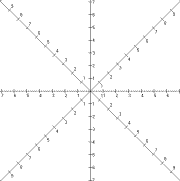
Print a test page at different scales to see what transfers to paper. If you want 1:1 drawing sizes, set printing scale to 100% and choose a paper size that matches your artwork. For larger murals, consider tabloid or A3 sheets and landscape orientation to preserve the grid's flow along the canvas. This practice gives you confidence before committing ink or paint.
Paper size and orientation
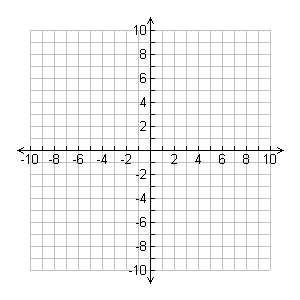
Margins matter. Leave enough white space around the grid to avoid cramped edges when framing or mounting work. If your grid starts near the edge, adjust printer settings so the grid remains fully visible. Printable grids are convenient, but you may prefer to tape a ruled guide along the edge to keep alignment consistent. If you teach with a projector, check that it aligns with the printed page.
One practical exercise: sketch a simple still life by counting squares for proportion. Start with a single object, measure its height and width in squares, then map those counts onto your larger composition. By rotating the grid or converting units, students learn how to maintain relationships as drawings grow or shrink. Pair with a partner to compare results and discuss accuracy in class.
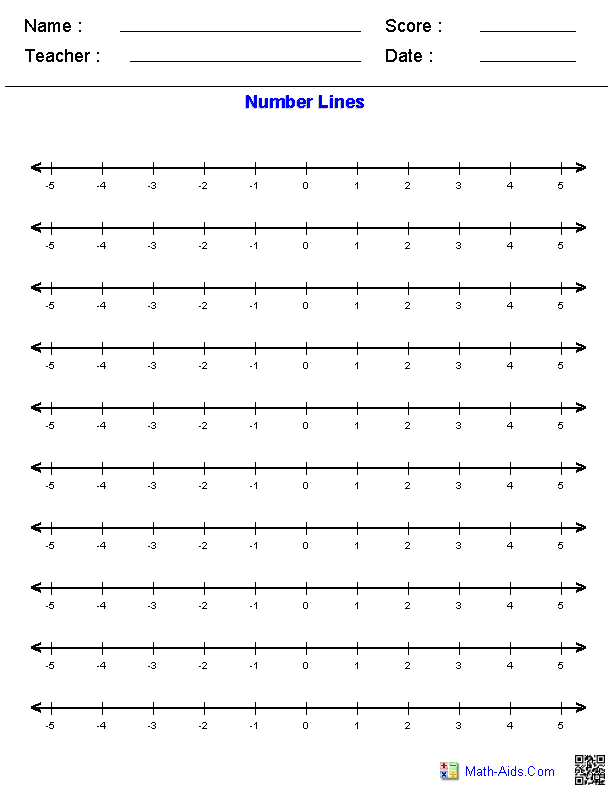
FAQ
Q: How do I choose grid size? A: Start with 1 cm squares for clarity, then vary for detail. Q: Portrait or landscape? A: Pick orientation to match your subject. Q: How to check accuracy? A: Print a test page and measure a few squares. Q: Any margin tips? A: Leave white space so the grid doesn’t crowd the edges.
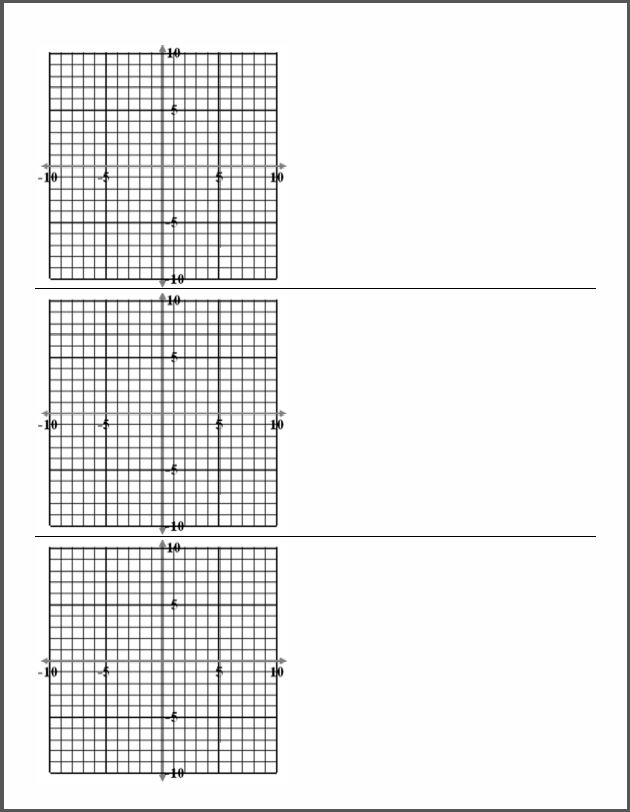
With practice, keep a small set of grids on hand, test print, and adjust until proportions read clearly. The right grid supports both observation and transfer, while keeping instruction accessible. Students use grid paper with numbers to plan, measure, and reflect on their choices without losing creative momentum. This approach blends technique with personal discovery.