
As an art teacher, I’m always looking for reliable tools that help students translate ideas from imagination into careful drawings. A well-chosen grid system keeps proportions honest and makes design decisions clearer during warmups and long projects.
To keep projects portable and easy to share, I often print pdf graph paper that fits standard home or classroom printers. It gives students a dependable framework for perspective practice, maquette planning, and grid-transfer exercises. The printable format lets me tailor the grid size to the assignment and reuse templates across lessons.
Choosing grid size
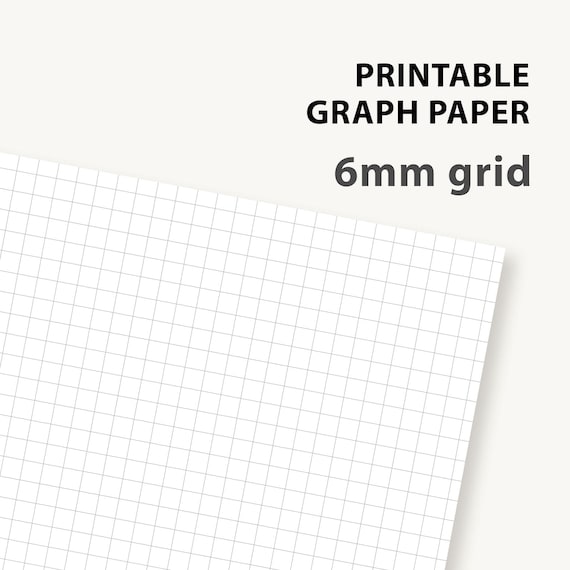
Grid size matters because it shapes what you can see at a glance and how accurately you can translate a subject onto paper. A fine square grid, like 1/8 inch or 1 millimeter, offers precision for detailed drawing and small studies. A larger grid, such as 1/4 inch or 1 centimeter, speeds up layout, studies, and composition planning. Start with a practical option and adjust as your projects demand, teaching students to consider grid spacing and what serves their goal.
Paper size and orientation
Paper size and orientation influence how much of the grid you can see at once and how easy it is to bring a subject into proportion. Letter and A4 are common, with margins left for notes. Portrait suits tall subjects, while landscape helps wide scenes, and both can be useful for different steps in a project. When planning a lesson, print a test page and compare how the grid lines align with your subject before committing to a final drawing.
Here are practical examples you can try with different grids, so you can feel the tradeoffs in real time. For a detailed still life, use a fine 1/8 inch square grid to map proportions accurately and keep line placement steady. For a quick thumbnail, try a 1/4 inch grid and focus on composition rather than fine details. You can also use coordinate grids to transfer shapes from a photo to paper, matching coordinates to lines.
Printing tips
Printing tips help ensure the grid prints true to size. Avoid scaling to fit; choose actual size or 100% in the print dialog. Do a quick test by printing a small square and measuring it with a ruler. If it’s off, adjust your browser or printer settings and reprint. Keep a margin check too.
FAQ: Q1 What is this printable grid best used for? A1 It supports planning, perspective practice, and grid transfer. Q2 How do I choose grid size? A2 Start with 1 cm or 1/4 inch squares, then adjust. Q3 How can I print accurately? A3 Print at actual size and test with a ruler. Q4 Which orientation should I pick? A4 Portrait for tall studies, landscape for wide scenes.
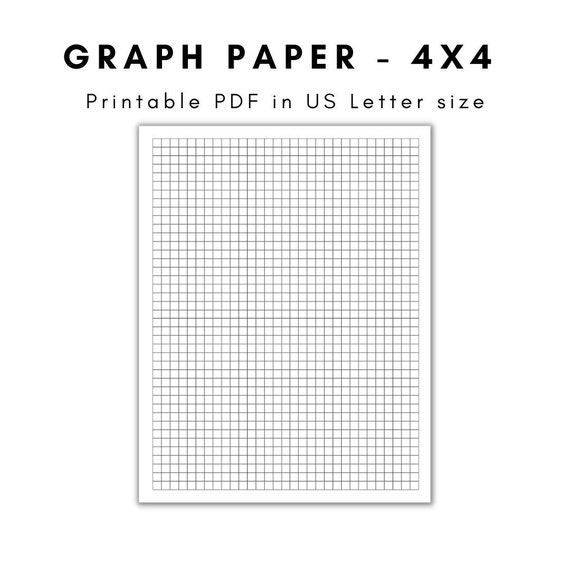
Conclusion: A thoughtful approach to grid paper turns blank pages into workable studies. Start with a comfortable grid size, choose the right paper size and orientation, and practice printing with accurate scale. Use printable grids to build skills in composition, proportion, and planning, then adapt the method as you and your students grow. The habit of checking measurements and making quick test prints turns a simple tool into a reliable studio partner.