
As a geometry instructor, I emphasize clear visuals and precise measurements. Using the right paper helps students see relationships without guessing. A well-chosen grid layout supports everything from basic plots to complex constructions. Attention to margins and scale can prevent misreadings in quick exercises.
On many assignments, I want a large, uninterrupted area for coordinate grids. The full page printable graph paper provides a single workspace, avoiding gaps from joining sheets. Compared with plain paper, it helps keep axes aligned and measurements consistent. It also reduces stray marks by providing clearly defined margins and grid spacing.
Grid size basics
Choosing a grid size means balancing detail with readability. Common options include quarter-inch squares for general diagrams and eighth-inch squares for finer slope work. For plotting functions, a denser grid helps trace curves precisely, while a lighter grid keeps drawings from feeling crowded. Start with 1-centimeter squares for most classroom tasks and adjust as needed.
Printing and paper choices
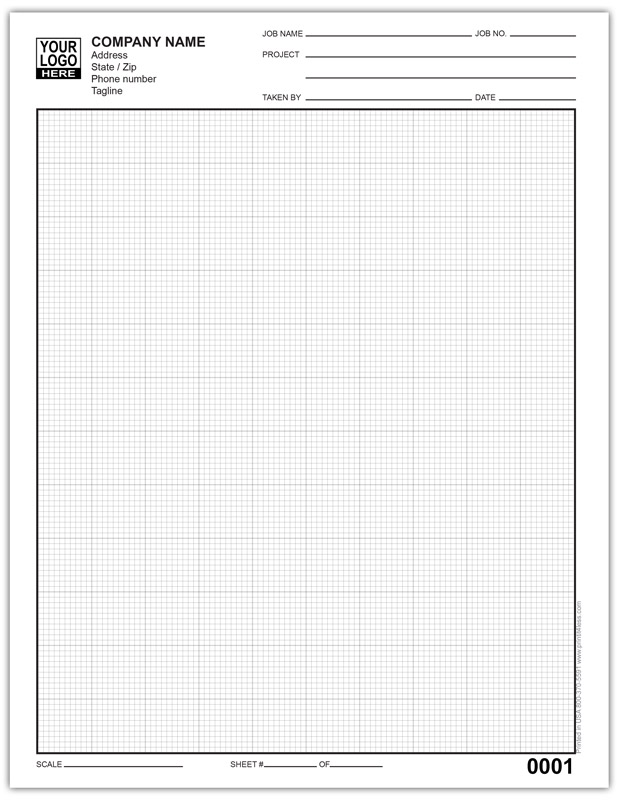
Printing a page with grid lines brings its own practical checks. Set your browser or printer to 100% scale and choose portrait or landscape based on your grid orientation. Verify that the margins align with the actual paper edges and avoid automatic fit-to-page options that truncate lines. A quick test print on plain paper helps you confirm line alignment before you print the final copy.
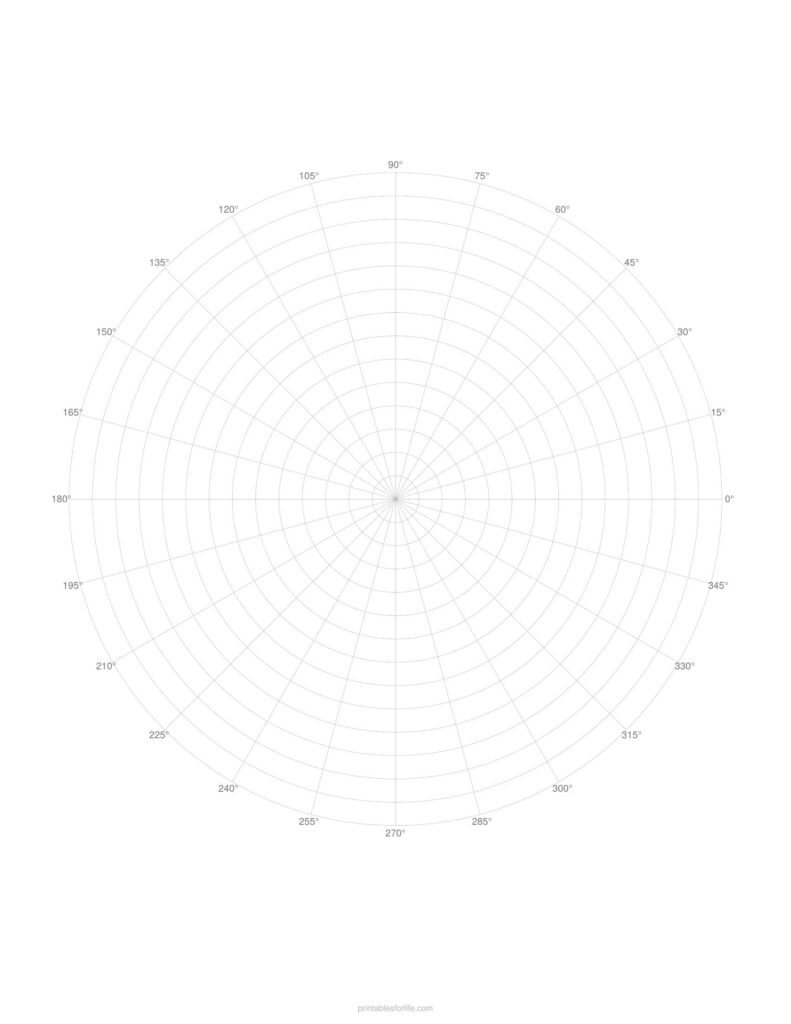
Practical usage tips: when you want to draw a line with a specific slope, count units rather than rely on perceived accuracy. For larger problems, align your origin with a margin and use the grid as a coordinate guide. If your tasks involve ratios, keep the scale consistent across all drawings. This consistency makes it easier to compare results across students.
Checklist for grid setup
Checklist: choose grid size (1 cm or 0.25 in), pick a standard paper size (letter or A4), decide orientation, and print at 100% scale. Verify margins, and run a quick test to confirm that axes and lines align with the page edges before any graded work. Keep a spare test page for adjustments.
FAQ: How do I choose grid size? Start with 1 cm squares and adjust after comparing tasks. Should I always print at 100% scale? Yes, to keep measurements accurate. Is plain paper adequate for diagrams? It works for rough notes, but grid paper improves precision and readability. Do margins matter? Yes, consistent margins help you align axes quickly.
Conclusion: Practical takeaway: choose grid size and paper size that match your typical geometry tasks, print with reliable scale, and check measurements before submitting. A well prepared page reduces rework and makes student work easier to follow. Use the checklist to streamline your setup and keep a consistent workflow across topics.