
As a physics teacher, I have learned that ideas click when students can see the numbers marching across the page. Graph paper helps turn abstract equations into visual relationships during experiments. When we sketch motion, forces, or waves, math on graph paper becomes a shared language for inquiry.
Planning with grid paper
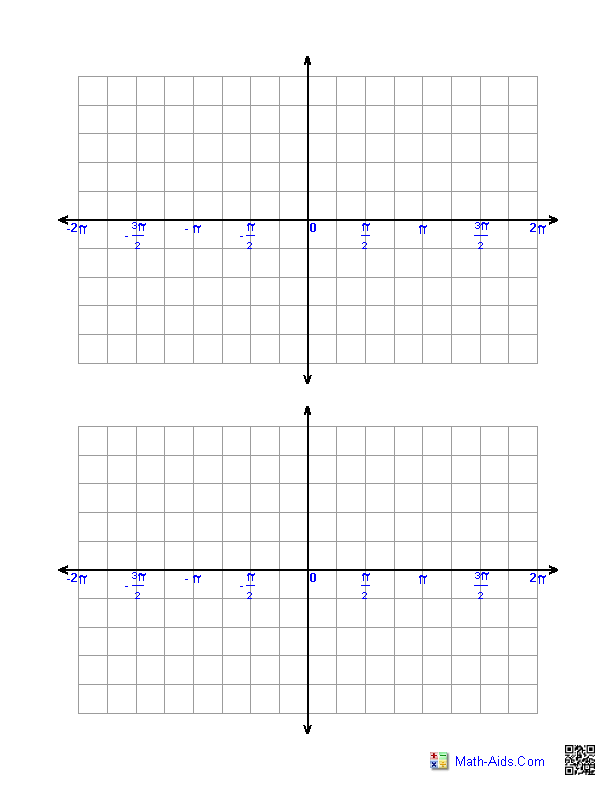
In a typical class, I model problems by sketching graphs on a sheet of grid paper before moving to the board. Students begin with a ruler and the grid to measure slope, area, and time intervals in a lab setting. The act of translating a physical situation into coordinates helps them predict outcomes and test intuition against a visible grid.
Sketching workflow
Start by choosing a grid size that matches your goal. A standard 1/4 inch (or 0.5 cm) square grid is versatile for plotting vectors, functions, and experimental data, while smaller grids offer higher precision for delicate measurements. Think about paper size and orientation: Letter or A4, portrait or landscape, depending on whether you want long trajectories or broad graphs on a single sheet. Printed grids should be checked at actual size.
Coordinate grids align with axes, making it easier to label x and y values, while plain square grids are forgiving for quick sketches. Decide on margins and scale before you start. If you plan to print, set your browser or printer to actual size and avoid fit-to-page. Double-check measurements with a ruler after printing.
In practice, a design sprint unfolds in stages. First, plan the sketch with clear units and labels. Next, draft the graph on grid paper, then extract values with a ruler. Finally, compare the graph to actual measurements and discuss sources of error.
Q1: Grid size for a lesson should start with a larger grid such as 1/4 inch (0.5 cm) to plot vectors and functions, A1: Then adjust to a finer grid if more precision is needed. Q2: Printing should be set to actual size to avoid distortion, A2: Use margins that leave a clean, unskewed grid. Q3: Coordinate grids or plain square grids, A3: Coordinate grids help label axes clearly, while square grids are quicker for rough sketches.
Q4: Margins and paper size, A4: Use Letter or A4 with standard margins, align the grid to the paper edges, and check scale before the lesson.