
As a homeschool parent, I learn alongside my kids, turning design into hands-on projects. A sturdy desk, good pencils, and the right grid paper help us stay organized during architecture sketches, and for coordinate work, large graph paper keeps margins crisp.
Choosing the right graph paper makes a surprising difference in learning outcomes. Large formats give room for notes and multiple revisions, while the grid remains consistent enough to measure against. Look for square grids that stay square when you print, and consider printable grids if you want to reuse a layout across several lessons. The goal is reliable geometry with minimal fiddling. We also consider available line density and whether the grid supports the scales we use in lessons.
Use-case first: start with a simple architecture sketch, then translate that idea into a floor plan, and finally test a proportional drawing to verify scale. The grid helps you count steps, align walls, and keep doorways in the right proportion. When students see a clear mapping from lines to measurements, projects become approachable rather than abstract. We also encourage labeling features with short notes to help reviews remember why lines shift.
Grid size and spacing
Grid size matters for architecture work. Common options include larger squares for rough layouts and smaller ones for detailed plans. A 1/4 inch grid is a popular choice for quick sketches, while 1/8 inch grants finer control for proportional drawings. If you print at home, test a few samples on printer settings to see which gives the most dependable results. If your student uses different units, mark conversions clearly so the grid remains the backbone of understanding.
Paper size and orientation
Paper size and orientation affect how you sketch plans. Letter or A4 keeps things portable, while tabloid or larger sheets accommodate bigger floor plans. Landscape layout often fits wider rooms, but portrait can be better for vertical features like staircases. Consider using a ruler to align margins so the grid stays intact across pages. For shared projects, larger sheets enable group feedback, while small pages are handy for quick drills at the kitchen table.
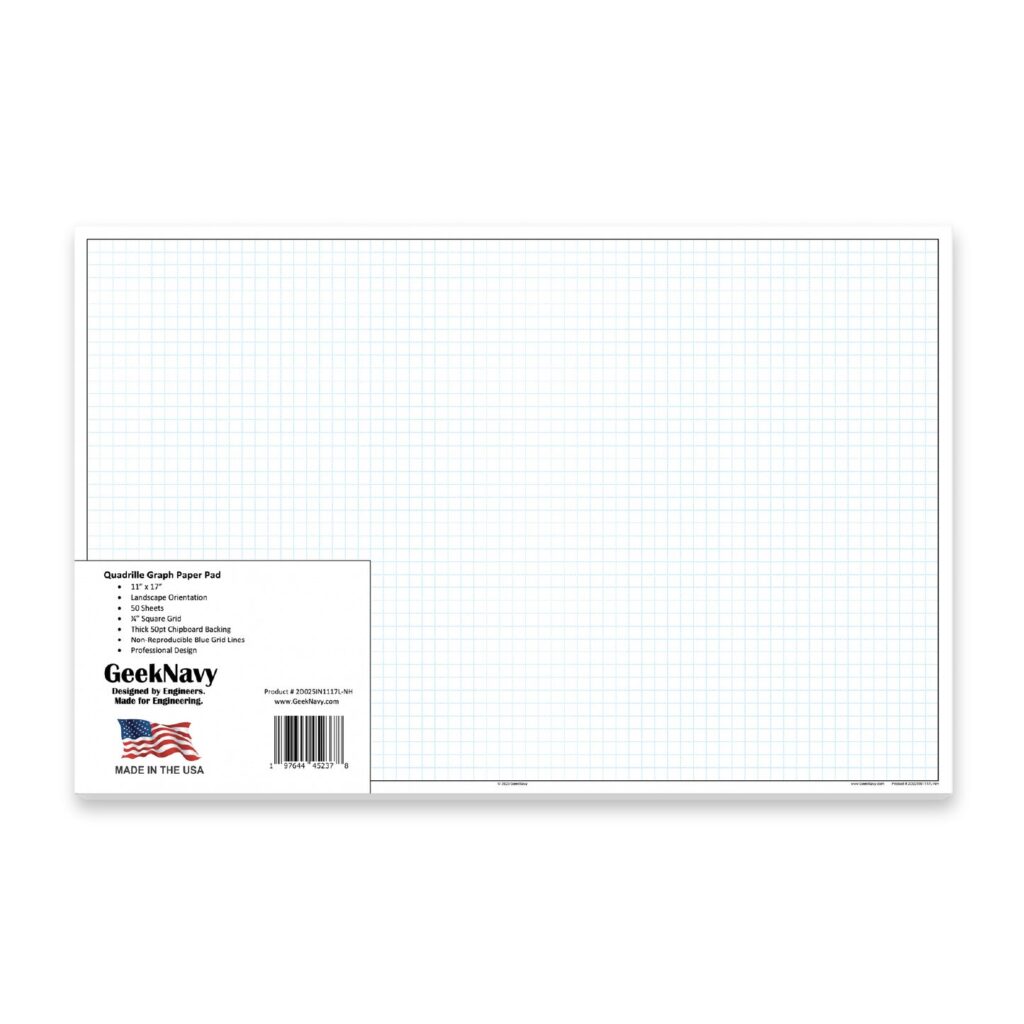
Printing scale matters when accuracy matters. Set your browser or PDF to 100% (not fit to page) and verify that a known measurement on screen matches the ruler after printing. If you’re using 11×17 paper, double-check margins and ensure the grid remains square. A quick print preview can save you from wasted paper and misaligned lines. Before you print, test a small sample to confirm the grid squares stay square after scaling; if margins aren’t even, adjust the page setup.
FAQ for homeschool families using graph paper in architecture and math projects. Q: Which grid size should we start with for beginners? A: 1/4 inch squares offer quick, legible results without overwhelming detail. Q: Is printable grid paper worth it for ongoing projects? A: Yes, printables are handy for reviewing layouts across lessons. Q: How do I reproduce consistent scale across pages? A: Use identical margins and set scale early.
Q: Can I reuse the same sheet for multiple lessons? A: Yes, lightly mark with pencil and erase later. Q: Should I label measurements on the grid? A: Label key measurements to help memory and review. Conclusion: With a little planning, grid paper becomes a reliable partner for architecture sketches, floor plans, and proportional drawings, saving time and improving accuracy.