
As a homeschooling parent, I've learned that architecture sketches come alive when my kids can measure and plan on a sturdy grid. The graph paper grid helps them map rooms, corridors, and furniture with confidence.
In our routine, grid paper is not just for math drills; it anchors proportion and feasibility. We start with a small floor plan of a study nook or classroom corner, then scale up to a full floor plan of a pretend house. This approach keeps lessons concrete, helps kids visualize how spaces fit together, and makes feedback about size meaningful without getting lost in abstract numbers.
Grid basics
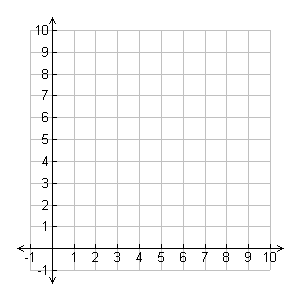
Graph paper comes in several styles, including square grids, coordinate grids, and isometric patterns. For architecture sketches, a square grid with evenly spaced lines helps you count walls, doors, and windows quickly. The spacing options matter: 1/8 inch gives finer detail, while 1/4 inch speeds up broader layouts. Consider the scale you plan to teach and how many features you want to fit on the page.
Drafting floor plans on grid paper means weighing tradeoffs. A tighter grid lets you represent small features, but it can feel cramped on a standard page. A looser grid adds breathing room but reduces precision. We often start with a 1/4 inch grid on Letter-size paper and adjust as the project grows, using leftover margins for notes and quick measurements.
Grid size options
Grid size matters for speed and accuracy. While 1/8 inch grids provide smooth detail for door swings and furniture, 1/4 inch grids work well for overall layout and circulation. If your students are new to drawing, begin with a larger grid so lines align more consistently and gradually switch to a finer pattern as accuracy improves.
Paper size and orientation influence how comfortably you can draft a plan. Letter is common in homeschool settings, while A4 fits compact workspaces and international notebooks. Landscape orientation often suits wider rooms, whereas portrait works for vertical elevations. Leave margins for notes, rulers, or future enlargements, and consider printing a master on a single sheet before committing to a multi-page spread.
Printing and scale
Printing scale matters more than you might think. Before any lesson, test a page at your target scale, such as 1/4 inch equals 1 foot for small floor plans. Use a ruler to verify line spacing after printing and adjust browser or printer settings if the lines don’t align. If you need larger plans, print multiple sheets and align them during assembly rather than forcing a single sheet.

Use cases
FAQ: How do I choose grid size? Start with 1/4 inch for most plans, then switch to 1/8 inch if you need finer detail. What paper size works best? Letter is common in homeschool kits, A4 if you print internationally. Should I print in landscape? Yes for wider layouts. How can I ensure accuracy? Check printed scale with a ruler. Any margins tips? Leave at least 1/2 inch for notes.
With a steady grid as a frame, homeschool projects become clearer and more teachable. Students learn to balance creativity with measurement, producing drawings that feel organized and ready for feedback. The habit of checking scale and margins now pays off in more advanced architectural sketches later.