
As a practical math teacher, I’ve seen handwriting practice transformed by the right paper. Graph paper isn’t a gadget; it’s a tool that teaches scale, margins, and careful plotting as students form letters and numbers with confidence.
From day one, I explain grid spacing, margins, and scale using simple, concrete terms. Students trace letters along a light baseline and use the squares as guardrails to keep letters uniform. graph paper for handwriting practice helps connect handwriting with measurement and geometry, and it gives quick feedback when letters drift.
Grid size and sheet choice
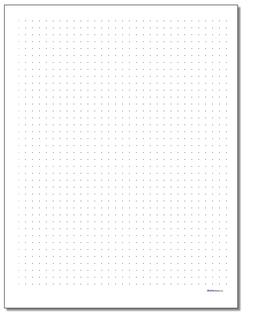
Grid size and sheet choiceGrid size matters more for handwriting than you might think. For beginners, 1/4 inch squares (about 4 per inch) provide clear boundaries without overwhelming space. For older students or math practice, 5 mm squares can align with metric work and graphing grids. Using a mix of portrait and landscape sheets helps students adjust to different writing widths, especially when transitioning from arithmetic to word problems. In practice, keep a few trial sheets handy to compare results for quick progress checks.
Margins define the usable writing area and affect readability. A generous left margin helps align numbers in column work, while a small top margin leaves room for headings. When choosing printable grids, look for paper size like Letter (8.5×11) or A4 and ensure the margins leave space for your binding or stapling. If space is tight, you can print with a slightly larger gutter on the side to guide margins. This helps with binding and keeps the writing area intact.
Printing scale and orientation
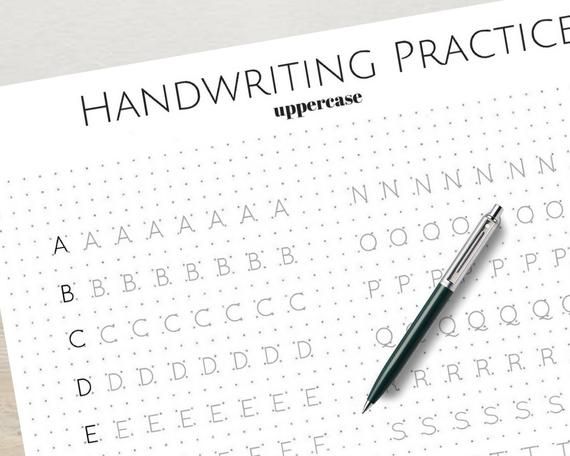
Scale and orientation basicsPrinting scale and orientation affect accuracy more than you may expect. Always set the printer to actual size (100%) and use portrait orientation for standard handwriting practice. Some tasks, like longer practice lines, benefit from landscape. Test a page first and verify that the grid is square and margins are visible. If not, adjust scale again and reprint. This helps save ink and time during class.
Browser and printer settings can subtly shift the grid. Start with a test print, enable print preview, and disable any automatic scaling. If your printer offers a 'fit to page' option, skip it unless you want to stretch the grid. Use a consistent Paper size—Letter or A4—and test across devices to standardize results. Keep a spare sample page with your standard margins to compare quickly. This habit saves time during busy class days.
FAQ
Q: How can I verify the grid prints at true size?Print a test page and measure a 1-inch square with a ruler. If it isn’t exactly 1 inch, adjust the scale to 100% in the printer settings and re-check. Use a single-page draft to confirm alignment before printing multiple pages. Q: How should I organize practice sheets for students at different speeds?Keep a small, labeled set of grids on hand and assign pages by ability, not by date. This helps students stay engaged.
Additional questions
Q: Which grid size is best for beginners?Start with 1/4 inch squares; they provide clear boundaries without crowding. For graph work, 5 mm squares can better align with metric sheets. Keep both options on hand and switch as students progress. Q: Should I switch grid sizes mid-year?Only if students stay accurate across tasks; otherwise maintain consistency to avoid confusion. This supports steady progress and reduces confusion for families.
Conclusion: Practical grid paper choices combine scale, margins, and paper settings to support handwriting practice and early math skills. Start with a comfortable grid, check your print scale with a quick test, and choose margins that give students room to form letters neatly. With a few deliberate checks and consistent routines, you’ll produce reliable, repeatable layouts that reinforce penmanship, measurement, and pattern thinking across lessons. This steady rhythm pays off over weeks.