
As a geometry instructor, I guide students through plotting, symmetry, and proofs with patience and precision. For many tasks, access to reliable tools matters, and free graph paper can make a big difference in practice and during quick in-class demos.
Why graph paper matters
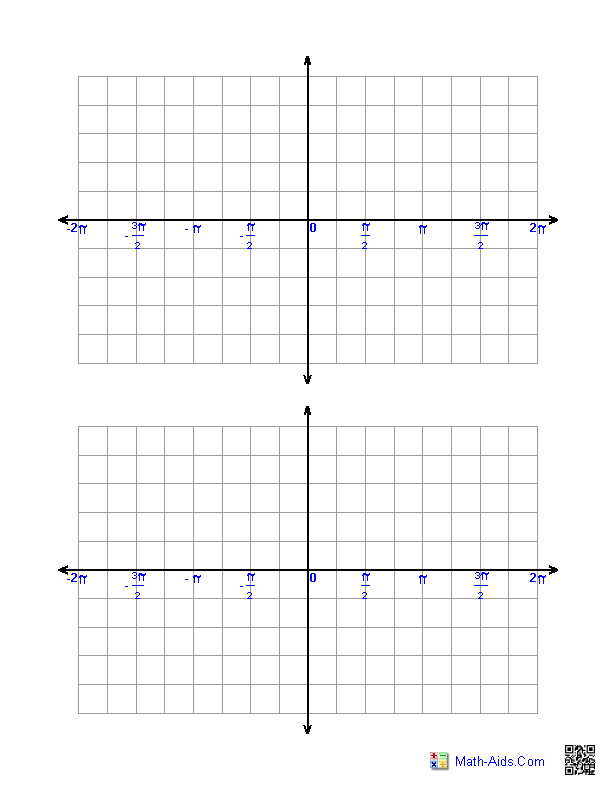
Graph paper uses square grids to help align points, lines, and coordinates with accuracy. The coordinate grids reveal slope, intercepts, and areas more clearly than freehand sketches. A grid paper surface also reduces measurement errors when drawing congruent shapes or checking right angles. That clarity supports students as they learn concepts from distance formulas to geometric proofs.
Plain vs grid options
On plain paper, you can sketch freely, but you lose the alignment that a square grid offers. Lined paper helps with writing but distorts geometric positioning and can confuse angle checks or coordinate plotting. Grid paper provides consistent reference lines, which makes it easier to reproduce shapes, compare scales, and check symmetry during practice. For serious geometry work, grid paper often yields cleaner drafts and faster error spotting.
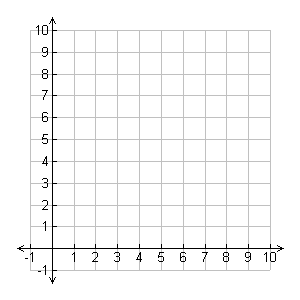
1) Decide grid spacing based on your typical work, such as 0.5 cm, 1 cm, or a finer 0.25 cm. 2) Choose paper size that fits your workflow, commonly letter or A4, and decide portrait or landscape. 3) Consider margins and whether you will print edge-to-edge or preserve safe margins for notes. 4) Verify printing scale and alignment by printing a test page and checking a known measurement.
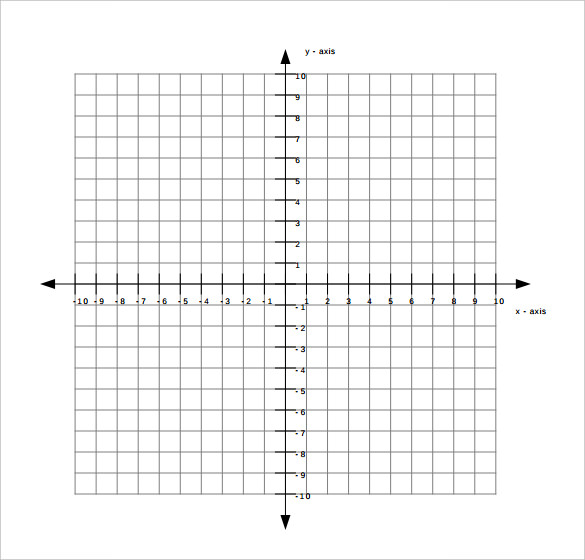
Before printing, set the scale to 100% and choose portrait or landscape that suits the grid spacing. In your browser or PDF viewer, disable fit-to-page so the page prints at actual size. Use standard or heavy paper stock for durability, and run a quick printing test to confirm the squares stay square. Keep a ruler handy to verify a few sample squares against the printed grid, and you'll reduce surprises in class.
Q1: What is graph paper best used for in geometry practice? A1: It helps align coordinates, check slopes, and verify right angles with less guesswork. Q2: Which grid size is good for beginners? A2: A 5 mm to 1 cm grid is usually comfortable for standard geometry drawings. Q3: Should I print at 100% scale? A3: Yes, to preserve accuracy and keep squares true. Q4: Where can I find printable grids for free? A4: Look for reputable educational sites that offer printable grids for classroom use.