
As a homeschool parent, I've learned that a thoughtful grid setup makes architecture sketches clearer and more repeatable. Using engineering graph paper helps students translate ideas into proportional drawings, from rough layout ideas to floor plans that can be measured, compared, and refined as a project grows.
When my kids started sketching a small cottage plan, we began with a simple floor layout on graph paper. We discussed how each square could represent a chosen unit, and we practiced translating real dimensions to a proportional drawing. The grid acted as a built-in ruler, reducing guesswork when measuring doors, windows, and hallway widths. We compared two layouts side by side, marking corridor widths and clearances to see which felt more livable. This approach kept projects engaging while teaching spatial reasoning and the importance of scale.
Grid size choices
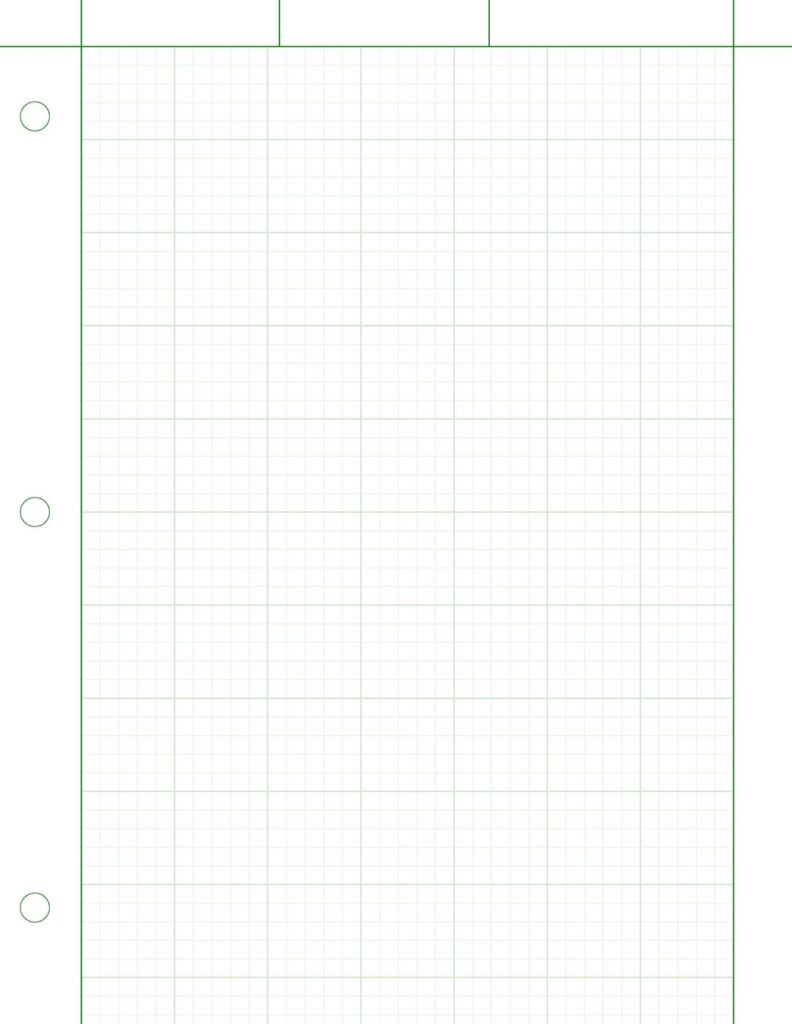
Choosing grid size is the first big decision. For architecture sketches in homeschool, a common choice is 1/4 inch squares, which keeps plans readable on letter or A4 paper. A 1/8 inch grid can work for tighter details, but you may need to use a magnifier or a darker pencil to keep lines legible. If you print multiple drafts, keep one consistent grid spacing across all versions to preserve proportionality and ease future revisions.
Paper size and orientation matter for big floor plans. Letter and A4 are easy to print at home, but wider layouts often fit best on legal or tabloid sizes when you have the space. Decide portrait for tall elevations and landscape for wide plans, while watching margins so you don’t lose lines in printers.
If you need extra width, you can print across two sheets and join them with a light pencil seam; this keeps the plan intact on a single viewing, and always leave a small margin (about 0.5 inches) for handling.
Grid spacing and scale
Scale is how we translate tall rooms into the page. A common homeschool setup is 1/4 inch equals 1 foot (1:48), which keeps plans readable without overwhelming the page. For smaller rooms, 1/8 inch equals 1 foot (1:96) can work, but you may need to use a magnifier or a darker pencil to keep lines legible. Use coordinate grids to align walls and furniture consistently, and mark footprints clearly to test traffic flow across multiple rooms.
When you draft, set margins and draw faint construction lines first, then layer in walls and fixtures. Keep a dedicated ruler or transparent grid ruler to maintain straight lines and consistent spacing. If you’re preparing multiple drafts, print a test copy on plain paper to confirm that line weights and grid spacing look balanced on screen versus on paper. Finally, label rooms and exterior dimensions to prevent miscounts and to speed revisions. Keep a small notebook nearby to jot scale decisions and change requests.
Workflow for home projects
Use case: your student designs a tiny studio loft. Start with a scaled grid layout for the footprint, then layer doors and windows. Compare two layouts side by side, noting which provides better circulation and sunlight on coordinate grids. Add furniture footprints to test clearance around desks and beds. This hands-on approach teaches proportion in a practical context and makes abstract concepts feel real.
FAQ
FAQ: How do I choose grid spacing? Start with 1/4 inch per square for general layouts and 1/8 inch only for detailed corners. How should I print for accuracy? Print at actual size and avoid fit-to-page, then verify a known distance with a ruler. Is landscape better for floor plans? Landscape often fits wider rooms, while portrait works for tall elevations. What about margins and checks? Keep margins intact and measure a real distance on the page to confirm scale.
In homeschooling projects, the right grid paper choices quietly power accuracy and confidence. By starting with concrete use cases, you guide students through scales, margins, and layouts with fewer mistakes. Keep a simple, repeatable routine and your family will build a library of proportional drawings that translate into real-world problem solving.