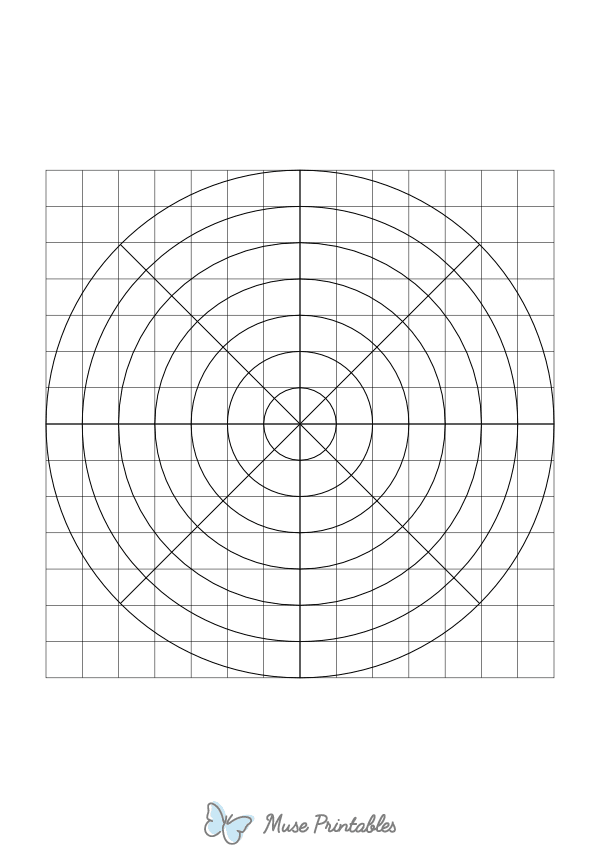
As a physics teacher, I reach for circle graph paper when sketching experiments and data. The circular plots help students visualize angular relationships, torque, and motion diagrams, turning abstract ideas into tangible layouts for labs, demonstrations, and quick quizzes.
In my classroom, circle graph paper becomes a planning tool as much as a drawing surface. I use it to map out circular motion experiments, sketch unit circle diagrams, and assign collaborative tasks where students translate data into sectors and chords. It also serves as a visual reminder that measurements rely on consistent grid spacing and accurate scale.
Planning the layout
During a design-focused lesson, I ask students to choose grid size and paper size based on the task. For a circular graph that shows angular velocity, a 1/4 inch grid with letter-size paper keeps margins readable. If we need larger diagrams, we switch to legal size and adjust orientation to landscape to fit the circle comfortably.
In the planning phase, we start by defining scale, margins, and the circle’s center. We mark the origin at a grid intersection, then block sectors with clean lines using a compass or a protractor aligned to the grid. This approach reduces errors when students transfer the diagram to a data table.
Sketching workflow
In a typical lab period, students sketch the circle first, then plot radial lines and sectors on the grid. They locate the center at a grid intersection, draw the circle with a compass, and verify with a ruler. Finally they label axes, angles, and data points, keeping everything aligned to the grid.
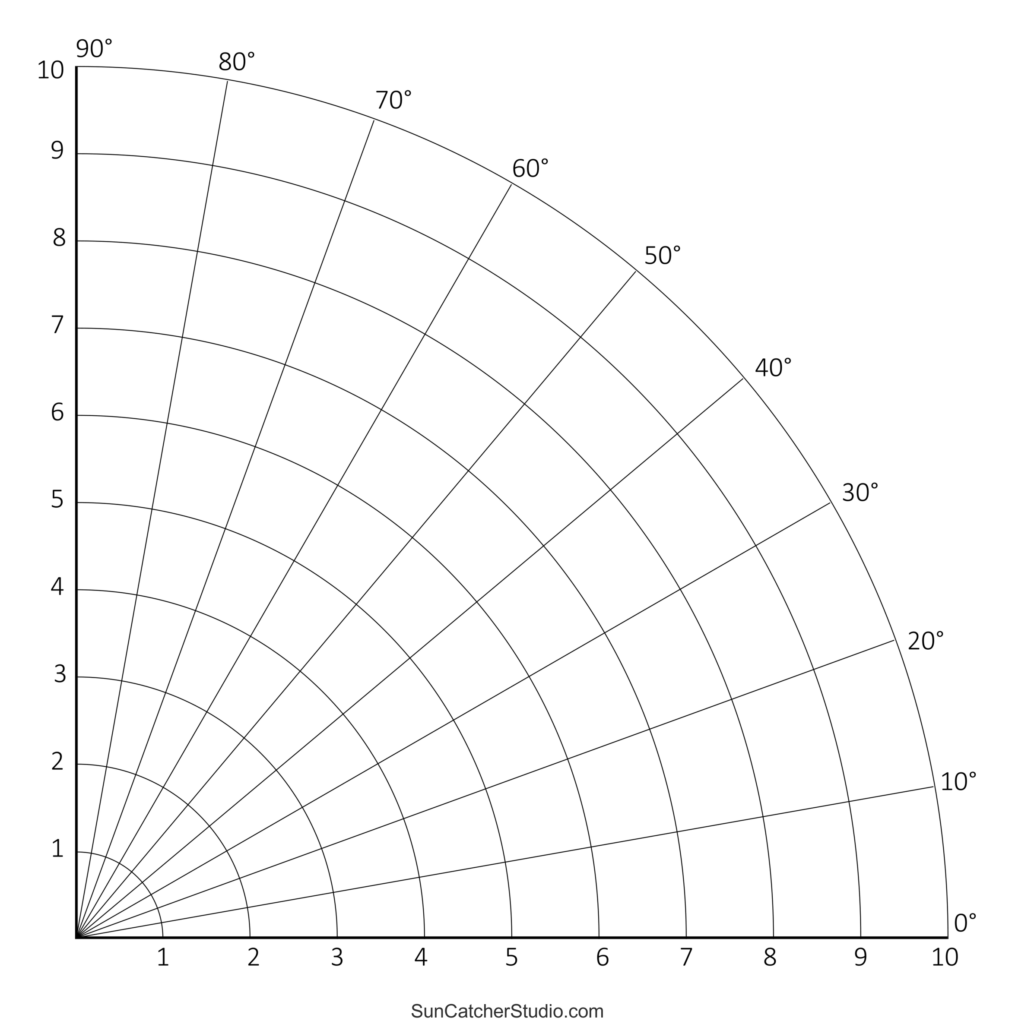
Printing tips and accuracy checks matter when precision counts. Choose a grid size that matches your measuring tools and set the paper size and orientation for the task. FAQ: Q1: How do I choose grid size? A1: Start with 1/4 inch; Q2: How do I print to scale? A2: Use 100% and verify with a ruler; Q3: Should margins be preserved? A3: Leave 0.5–1 inch margins; Q4: How ensure circle accuracy? A4: Center the circle on grid intersections.
Conclusion: Circle graph paper is a practical tool for physics classrooms because it makes abstract ideas concrete and supports precise measurement. When planning and sketching, select grid size and paper orientation to fit your task, verify scale with a ruler, and involve students in the process to build intuition about graphs, sectors, and circular motion.