
As an art teacher, I’ve learned that the right grid can calm a tense page and sharpen a student’s eye for proportion. A solid grid system helps plan compositions, transfer layouts, and test perspective before a brush touches paper. This guide focuses on using grid paper effectively in creative projects.
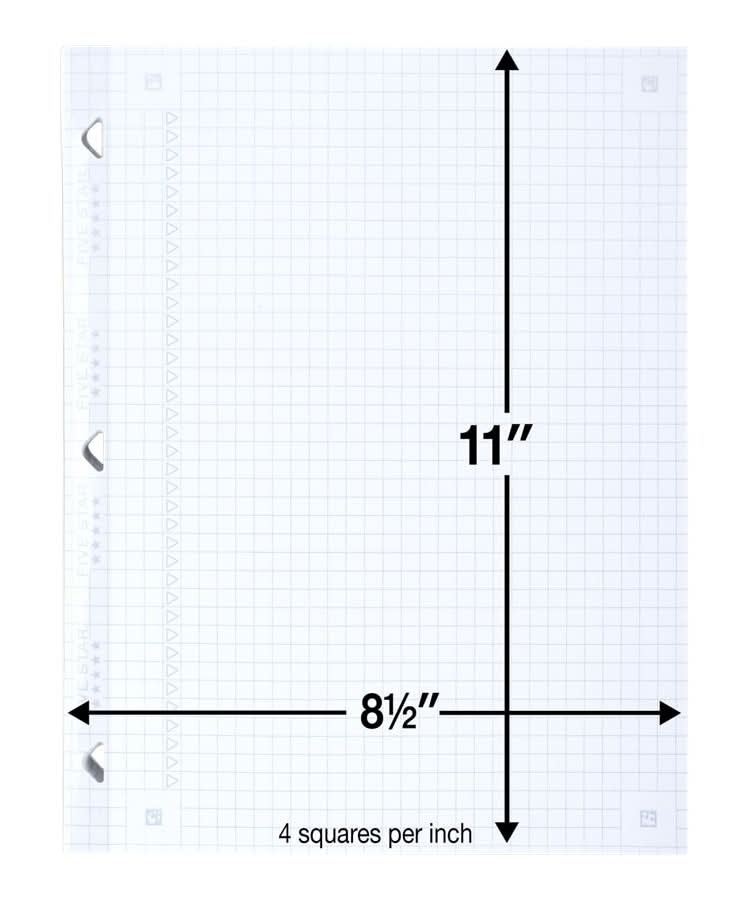
Grid paper is not a decorative accessory; it’s a practical tool. When students learn to map lines, measure spacing, and align forms, their confidence grows. For artists and designers, the reliable geometry of five star graph paper supports both freehand sketching and precise layouts, turning rough ideas into workable plans.
What grid paper is
Graph paper comes in many styles, from square grids to coordinate grids. As an art teacher, I explain how each helps different tasks: square grids for proportion, coordinate grids for perspective, and measurement grids for scaling. Paper size and margins matter, too, because a larger field can change how a sketch breathes. Start with a standard size and grow from there.
Grid size and spacing
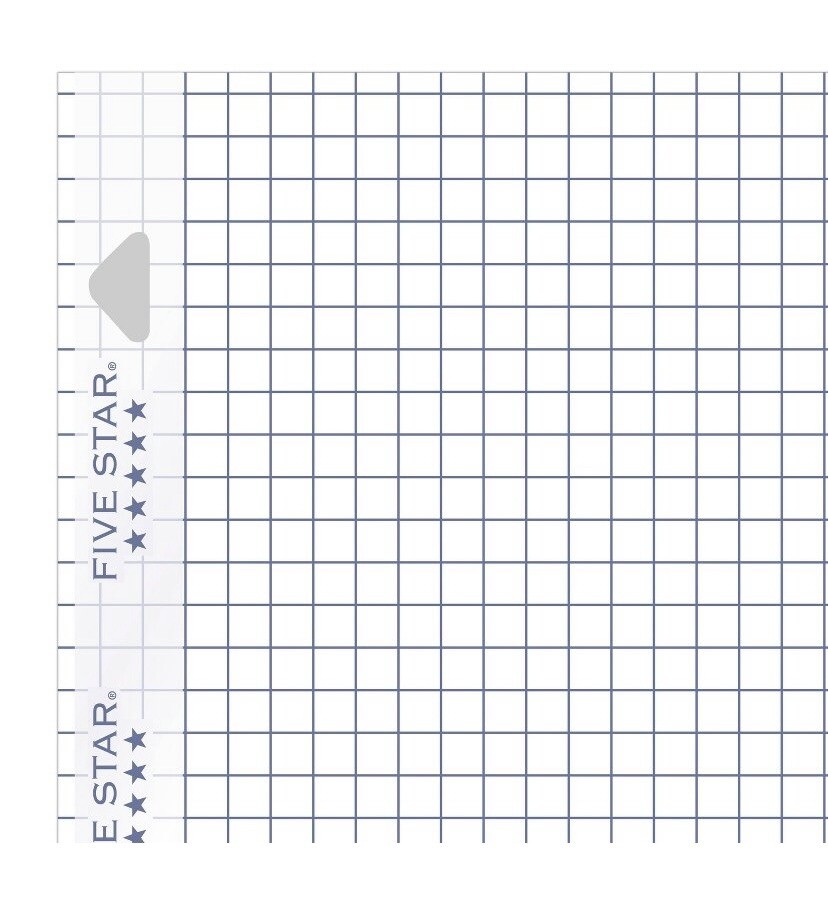
Common options include 1/4 inch squares, 5 mm squares, or finer lines. For beginners, 1/4 inch is forgiving; for detailed planning, 5 mm works well. Consider the subject: portraits may benefit from smaller squares for subtle shading, while architectural layouts may use larger squares for quick layout. Orientation or margins can influence how a drawing fits on the page.
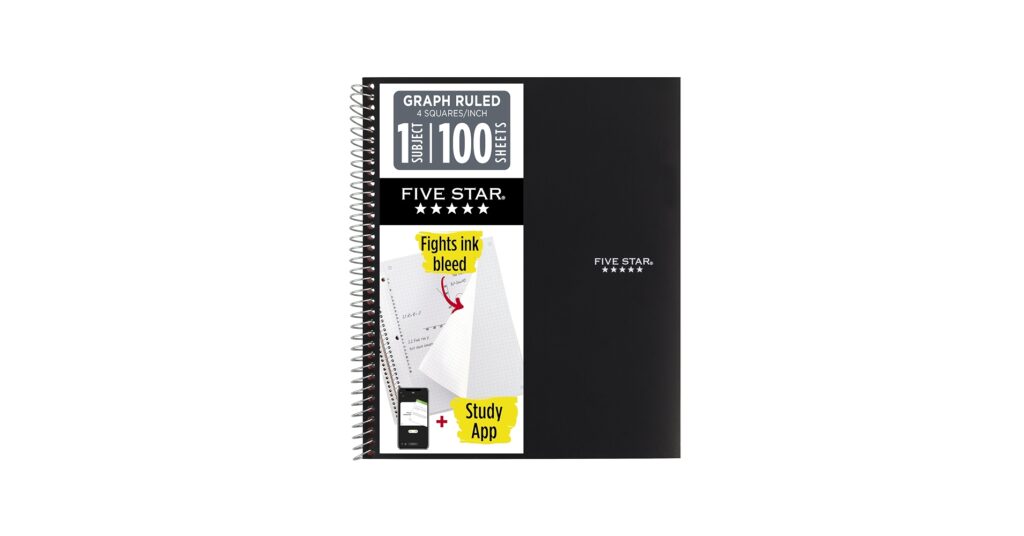
Printing and setup
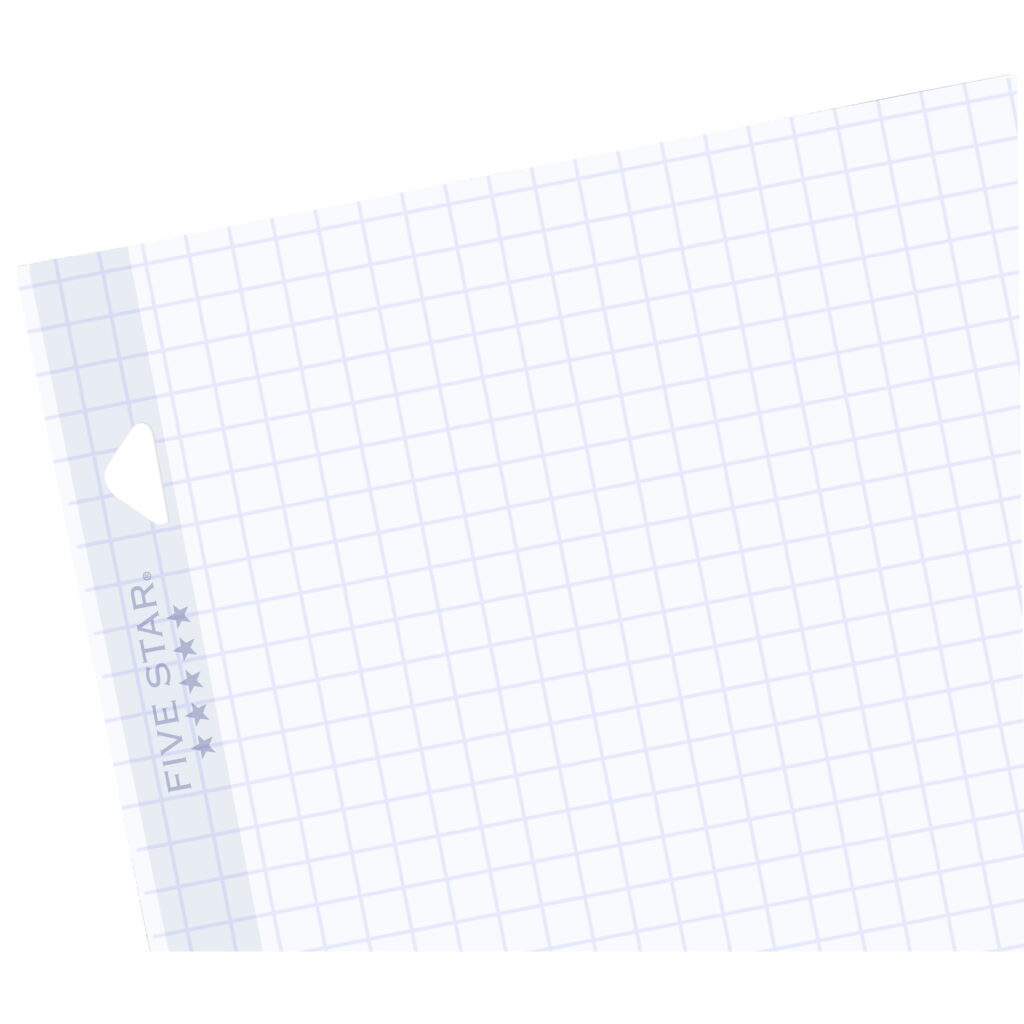
FAQ: How do I choose grid size for a project? A 1/4 inch grid is a reliable starting point for most general drawing. Can I print grids at home? Yes—print a test page to verify margins and scale. Should I mix grid types? Combining square grids with coordinate grids can help with perspective, layout, and accuracy across different subjects.
FAQ: How can I check accuracy when transferring a design? Use the grid to measure key proportions and compare against your reference. Q: What about paper size and orientation? Align the grid with the longer side for landscape if you’re planning wide layouts, otherwise portrait keeps drawing tall. Q: Are printable grids reusable? You can reuse by laminating or placing in a dry erase sleeve.
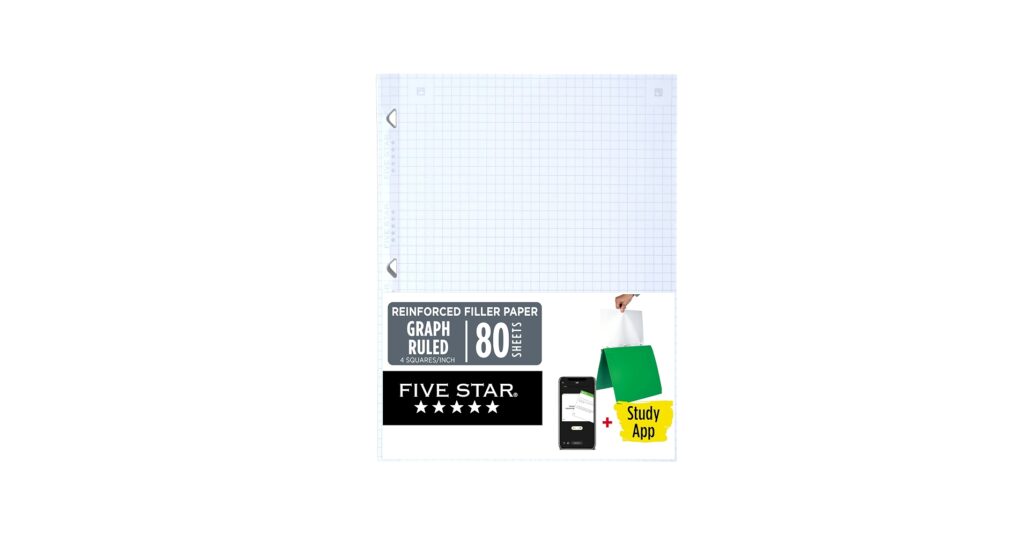
In practice, the right grid is a bridge between idea and execution. Start with a comfortable size, test print, and note how margins and scale affect your composition. With time, coordinating grid paper, paper size, and printing settings becomes second nature, freeing your students to focus on shape, line work, and expressive mark-making.