
As a CAD instructor, I begin with fundamentals on a simple grid, and I’ve learned that cute graph paper drawings can sharpen spatial thinking while keeping ideas accessible and playful for students of all levels.
This article explains how grid paper supports CAD sketching, improving planning and communication before you move to a full 3D model. You’ll see how coordinate grids translate into accurate coordinates, how to compare graph paper variants, and how the discipline of drawing on printable grids informs decisions in digital drafting. That understanding helps you plan the CAD workflow. In the sections that follow, we’ll compare plain paper and lined paper for practical tasks and offer step-by-step planning.
Why Grid Paper Matters
Coordinate grids, square grids, and measurement grids are more than neat lines; they anchor geometry, angles, and scale. On graph paper, you can plot a rectangle by exact squares and translate those coordinates into a CAD sketch. Plain paper makes shapes slippery to measure, and lined paper can bias alignment. Grid paper keeps spacing consistent and helps you visualize the final layout before modeling. Checking consistency in both directions helps with later steps.
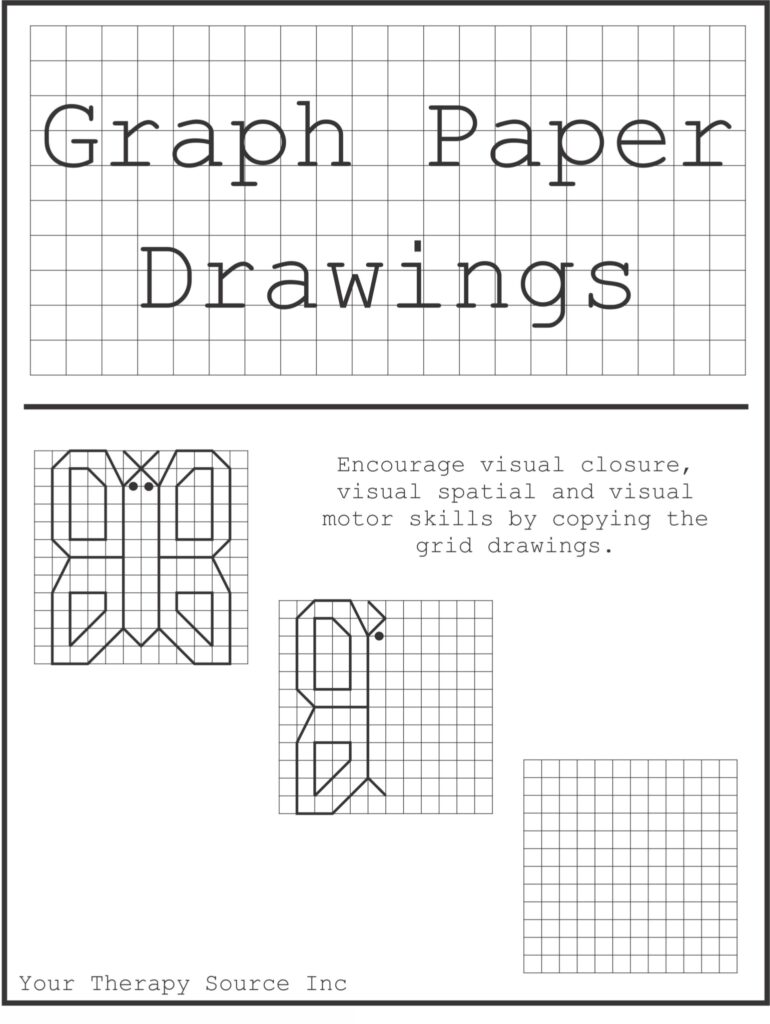
Step-by-step planning keeps paper sketches usable in CAD. 1) Define the objective and note exact measurements you need. 2) Choose a grid with the right square size and align it with the coordinates you’ll use in the model. 3) Sketch the layout on paper first, focusing on critical features and relationships. 4) Translate the grid into an initial CAD setup, then refine.
Grid Size Decisions
Grid size decisions affect both speed and precision. A 1/4 inch square is common for general sketches and floor plans, while 1/8 inch squares reveal finer geometry. Smaller squares require more space and can become cluttered, but they help with tight tolerances. Choose a size that matches the scale of your CAD task and your drawing habits.

Printing and Alignment
Printing tips ensure the grid translates accurately to real-world measurements. Use print preview to set scale so each square corresponds to a known real dimension, such as 1/4 inch. Verify margins align with your paper size, then perform a quick measurement check with a ruler on a printed sample. If accuracy matters, run a test sheet before committing to a final print. If you need multiple sheets, label them clearly.
FAQ: How wide should grid squares be? 1/4 inch is standard for CAD sketches. How does grid size affect accuracy? Smaller squares offer finer control but slower drafting. Can I start on plain paper? For rough planning, yes; graph paper improves consistency. Should I check printing scale? Always verify scale with a ruler before final prints. Conclusion: Grid-driven sketches bridge hand drawing and digital modeling by clarifying measurements, alignment, and layout.