
As an experienced Montessori-inspired educator, I approach materials with clear purpose and gentle progression. For families and classrooms, well-designed prompts support independence and focus. In particular, early learning handwriting worksheets can serve as a safe stepping stone toward confident letter formation and refined fine-motor control.
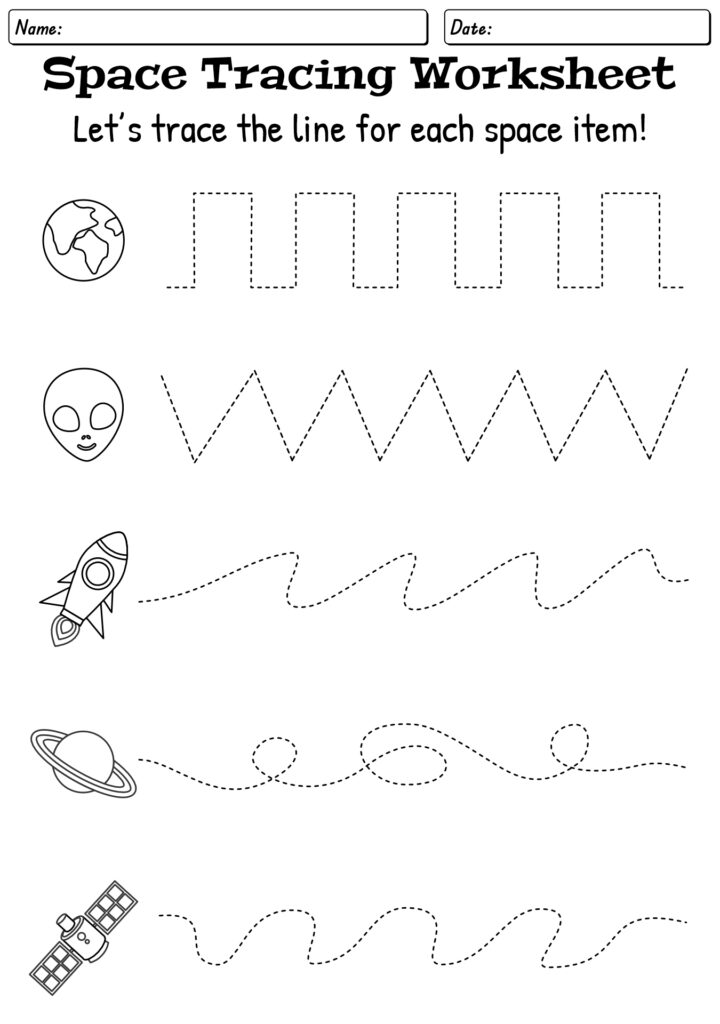
From a Montessori perspective, this theme works because it blends handwriting readiness with creative exploration. Children practice tripod grip, steady pressure, and accurate letter shapes while engaging with friendly line art and simple coloring tasks. The routine becomes calm and purposeful rather than hurried busy-work, inviting noticing and self-correction.
Color Choices
Color choices matter because visibility supports early form recognition. Use high-contrast line art on clean white space. Crayons offer tactile feedback, pencils cultivate precision, and markers give quick feedback but can bleed. Start with a small palette—red, blue, and green—to reinforce stroke directions, then gradually expand as confidence grows. Keep backgrounds simple to avoid crowding and let the line work stay the star.
Offer simple variations to maintain interest: trace-first pages, then copy the shapes, then color. For older preschoolers, invite light tracing with a finger to plan strokes before marking with a pencil. This builds confidence without pressure and supports a connection between handwriting and visual-spatial skills.
Drawing Extensions
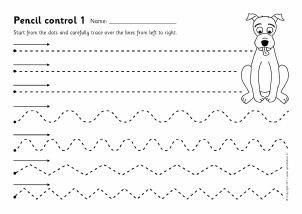
Drawing extensions can stretch the activity into a naming or storytelling moment. After finishing a color page, children can add a small illustration related to the letter or name, then label it with one clear word. This turns a coloring printable into a mini writing prompt, reinforcing vocabulary and sequence while honoring individual pace.
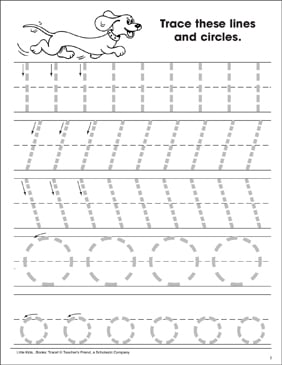
Conversation or Learning Prompts
Ask open-ended prompts to deepen attention: 'What letter did you practice and why?' 'Which color helped you see the strokes most clearly?' 'Can you tell a tiny story about the picture you colored?' These prompts invite reasoning, observation, and language—essential parts of a Montessori approach that respects diverse paces and interests.
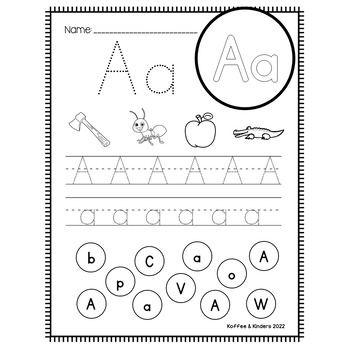
Home, classroom, and party uses vary: a quiet corner at home, a short rotation in a literacy center, or a themed activity station at a party. When printing, use plain white cardstock or heavy printer paper at 100% scale to keep lines crisp; color variety comes from pencils or crayons, not from the file. Common questions include how tracing supports handwriting, what ages benefit most, and how to modify for small-group work.