
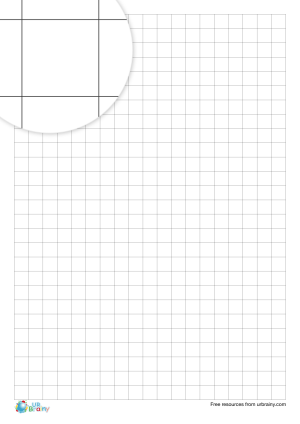
As a homeschooling parent, I value tools that stay practical and approachable. A compact printable grid helps students sketch buildings and draft floor plans with confidence. The 1cm by 1cm graph paper printable format keeps ideas clear, square by square.
Across our lessons, a grid-based approach keeps measurements honest and creativity free. Students begin with a simple footprint on the grid, then add rooms, doors, and windows at a consistent scale. The square grids reinforce proportion while we discuss margins, walkway widths, and circulation paths, giving structure to ideas without stifling experimentation.
Use cases for grid paper
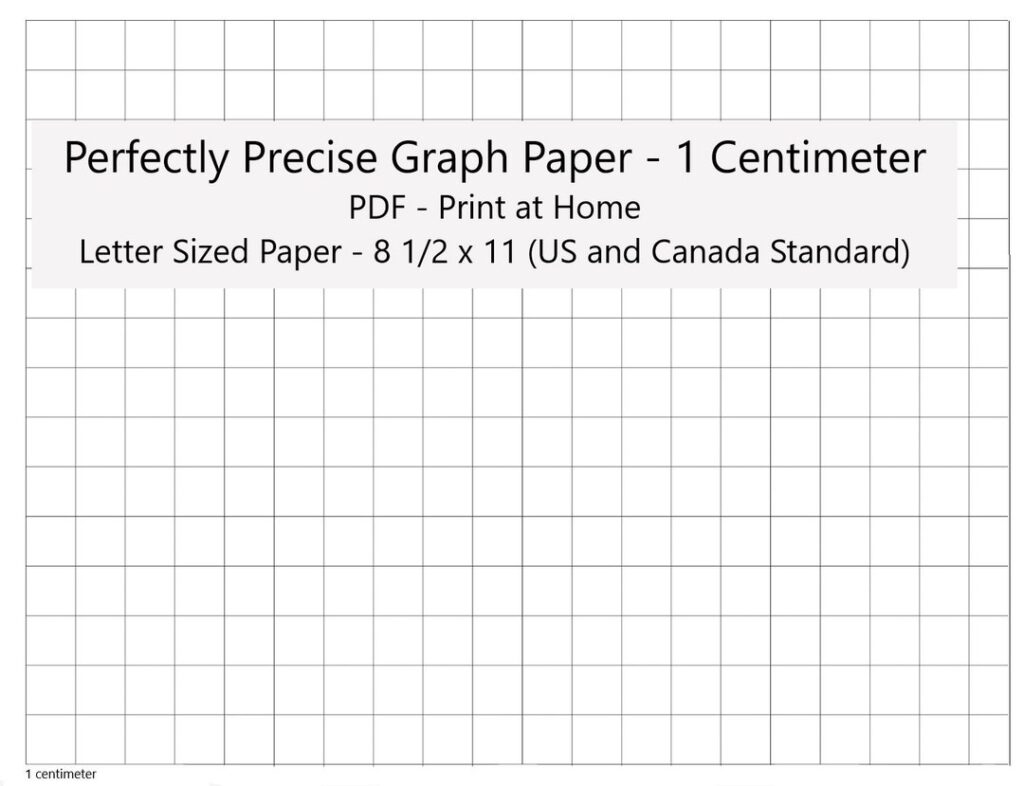
For architecture sketches, the grid is a visual ruler. The 1 cm square makes it easy to translate a chosen scale into real-life dimensions on paper. We compare lengths and widths of walls, and we test different wall thicknesses by shading squares. A proportional drawing on a grid helps students notice symmetry and balance in an evolving concept.
Similarly, when drafting floor plans, the grid paper keeps layout decisions grounded. We measure door openings, corridor widths, and furniture footprints against the grid, adjusting spacing as needed. We also think about margins and title blocks so the plan prints cleanly on letter-size paper. If a layout feels cramped, we move elements on the grid before committing to ink.
Choosing the grid size
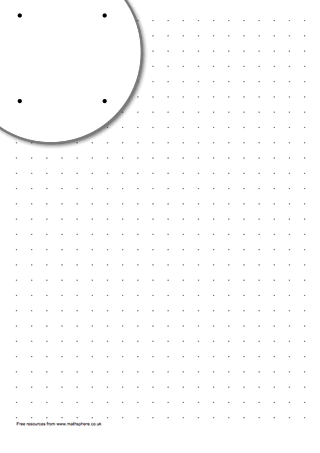
Grid size matters depending on the task. A 1 cm square is generous for rough layouts; a 0.5 cm or 0.3 cm grid offers finer detail for small rooms. In our house, we keep a small set of grids and pick one based on the project scale. It helps with counting accuracy and reduces clutter on the page.
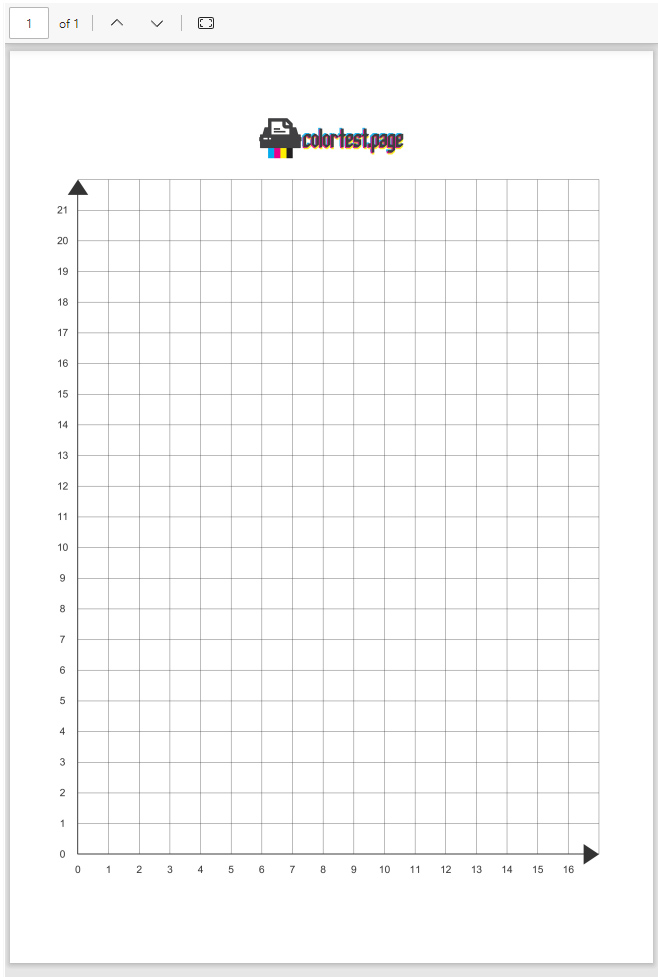
Paper size and orientation are practical choices. Letter or A4 paper is common, and landscape or portrait orientation changes how we place walls and furniture. We also consider margins, title blocks, and whether to include a scale bar. Printing a test page helps confirm that each grid square measures 1 cm on the page.
Printing and measuring tips
Print settings matter. In most browsers or PDF viewers, choose actual size rather than fit-to-page. Use standard margins and verify with a ruler after printing. If a printer is slightly off, check a few squares to confirm accuracy. We often print a blank sample to verify grid spacing before starting a larger project.
Coordinate grids and scale
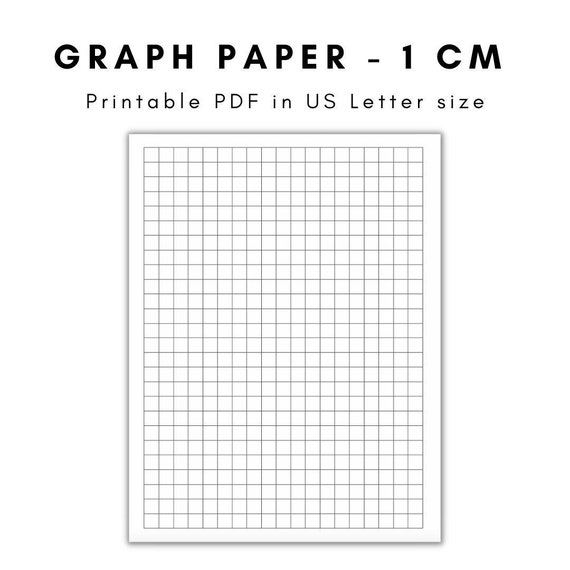
Coordinate grids guide how we map north-south and east-west dimensions. We discuss scale factors, proportion, and how a plan translates to real spaces. We emphasize readable labeling, arrows showing dimensions, and keeping margins clear. The aim is a clean, legible drawing that can be revisited and refined as understanding grows.
With a disciplined yet flexible approach, printable grids support hands-on learning in building-oriented projects. Start small, pick an appropriate grid spacing and paper size, print a test page, and stock pencils, rulers, and erasers. This routine helps students stay organized, see how ideas become proportional drawings, and share progress with family along the way.