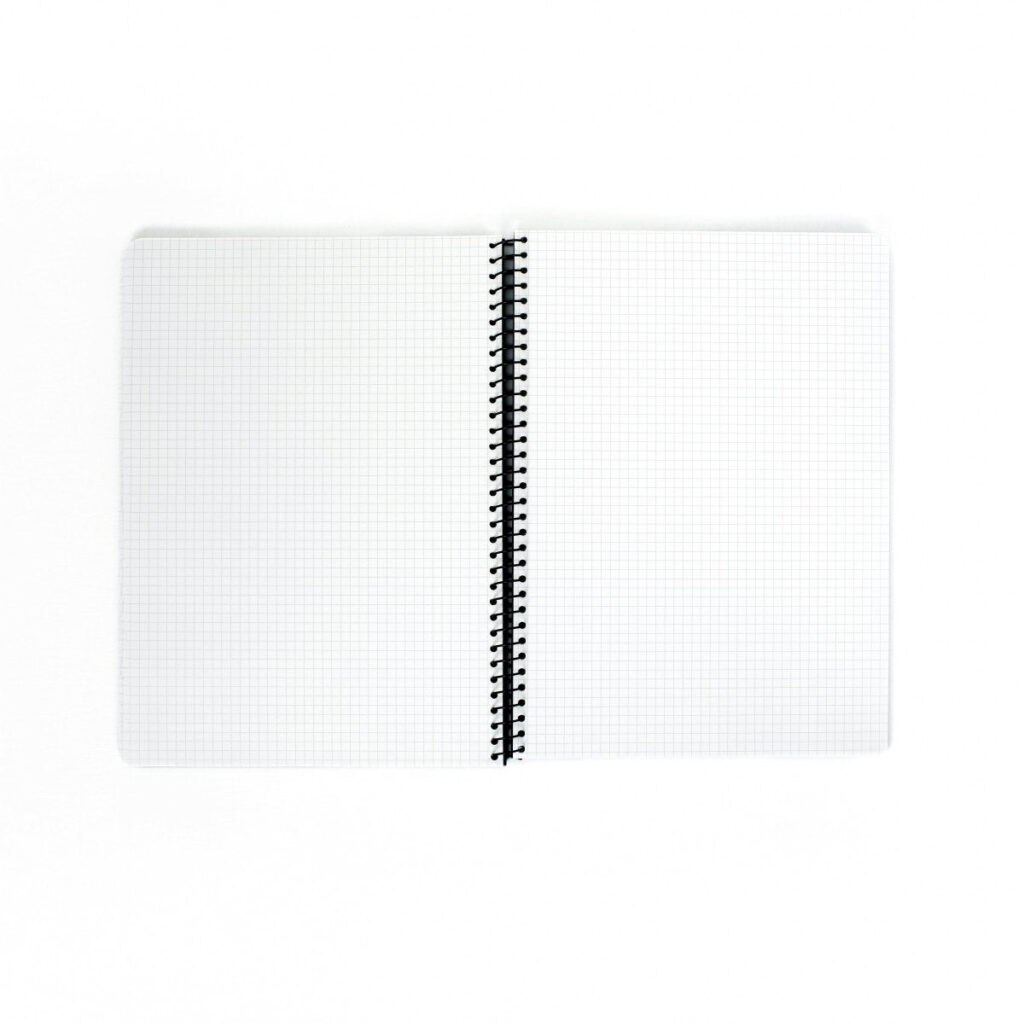
As a geometry instructor, I see students move from rough sketches to precise reasoning when they have the right notebook. A well-chosen notebook helps organize proofs, measurements, and constructions, so you can trace each step clearly and build confidence. The notebook you choose matters as much as the ideas you practice.
In class, I encourage students to diagram problems by hand before turning to software. A graph paper spiral notebook helps keep lines straight, coordinates aligned, and measurements consistent, especially when you’re checking slopes or plotting points. Grid paper with square grids makes it easier to count units and verify area calculations. This article highlights practical choices and tips for using it effectively.
Grid size options
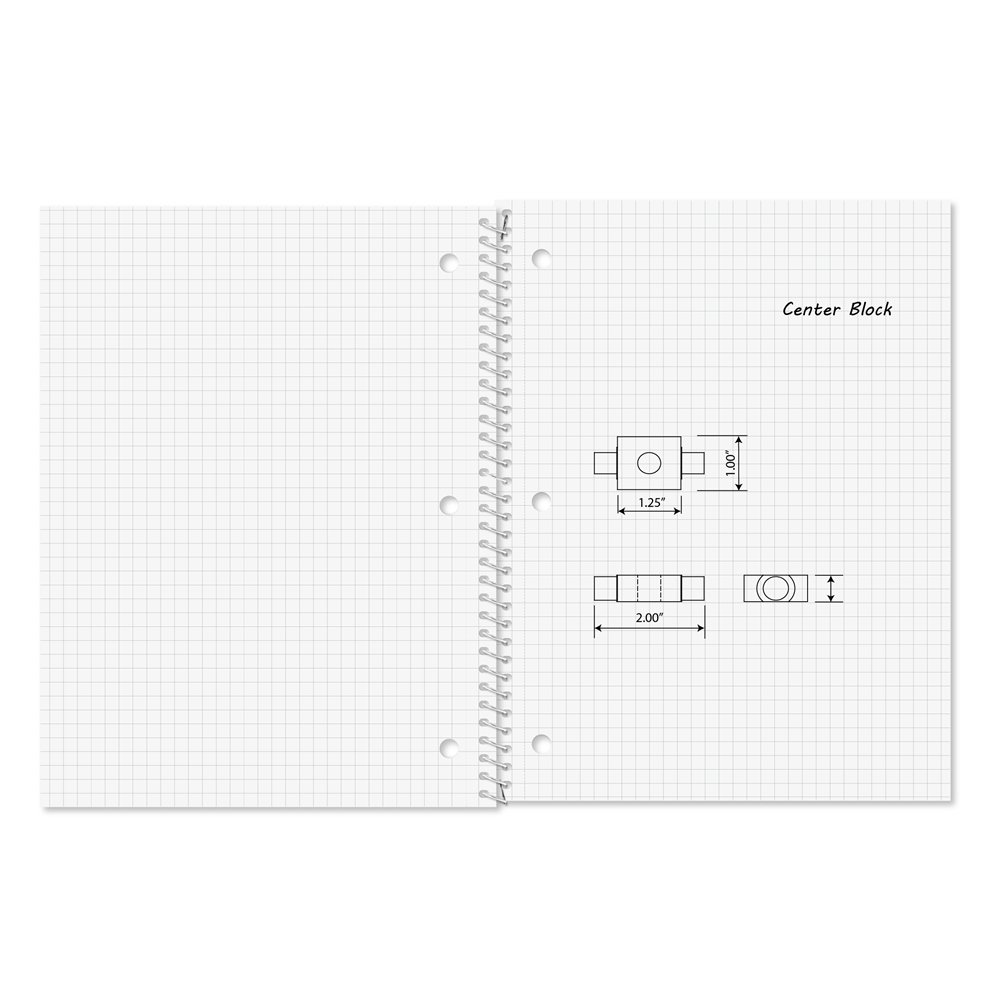
Grid size matters for accuracy and comfort. Common choices include 1/4 inch squares for high school geometry and 5 mm squares for metric work. Larger grids speed up rough sketches, while smaller grids improve precision for dense proofs. If you frequently draw perpendiculars or measure slopes, start with a 1/4 inch grid and adjust as needed.
Paper size and orientation affect readability and printing. In the U.S., letter-size sheets (8.5 by 11 inches) in portrait orientation are standard for most classrooms and practice work. If you work on maps or long coordinate paths, landscape orientation can fit more on a single page. Leave generous margins to mark notes, annotations, and ruler-derived measurements.
Practical checklist
When you choose between graph paper, plain paper, and lined paper for geometry tasks, consider the cognitive load. Graph paper helps with coordinate graphs and congruency checks, while plain paper is enough for rough drafts or verbal reasoning. Lined paper is less ideal for geometry but can work for quick notes or journals; Practical checklist: 1) grid size, 2) paper size and orientation, 3) margins, 4) test print.
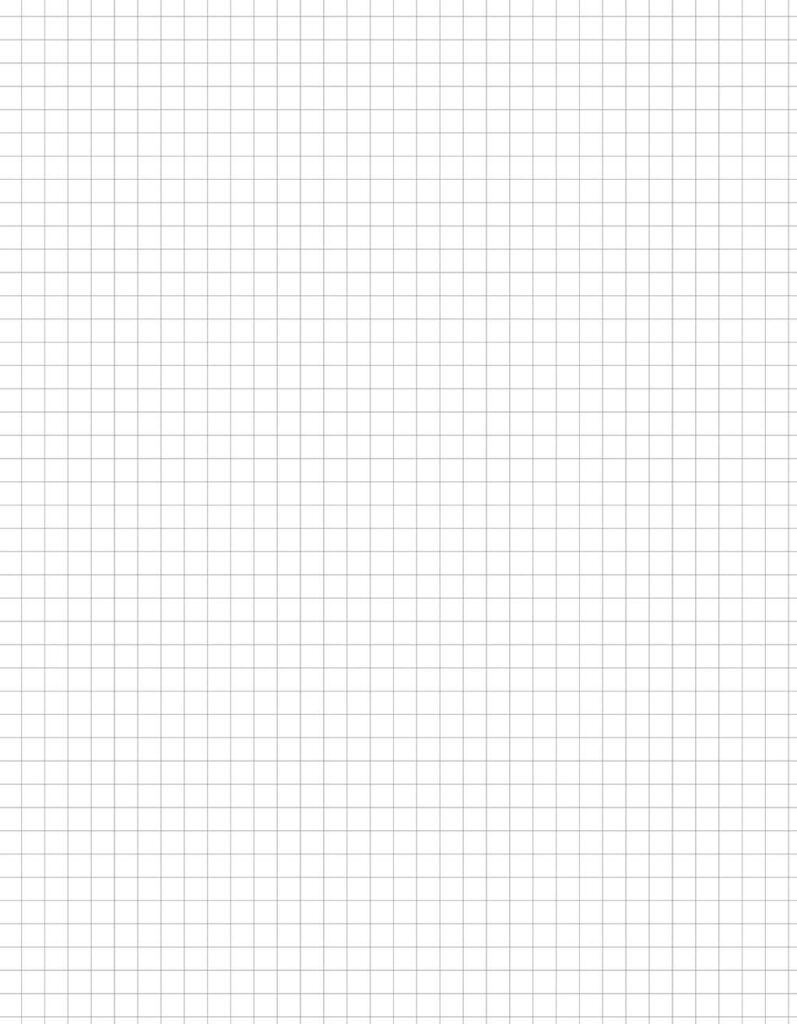
Practical advice for grid paper use starts with grid spacing, paper size, and printing scale. If you print grids at home, set your browser or printer to 100 percent scale and verify with a ruler before using them for grading. Check that margins remain consistent and that the printed squares still measure as expected. If you use a pencil, keep a light touch to preserve line fidelity.
Q1: Which grid size works best for introductory geometry problems and why; A1: Start with 1/4 inch squares to balance readability and precision. Q2: Should I print grids at home to check accuracy; A2: Print at 100 percent scale and verify with a ruler. Q3: Is landscape orientation better for geometry notes; A3: Yes, for long coordinate paths it can reduce page turns. Q4: How do margins affect measurements and work quality; A4: Leave margins for annotations and to avoid crowding when drawing.