
As a homeschooling parent, I’ve learned that architectural thinking starts with a confident sketch. We use grid paper to map rooms and doors before measurements, so ideas stay grounded. My kids see how proportion becomes concrete when we practice draw on graph paper to translate concepts into space.
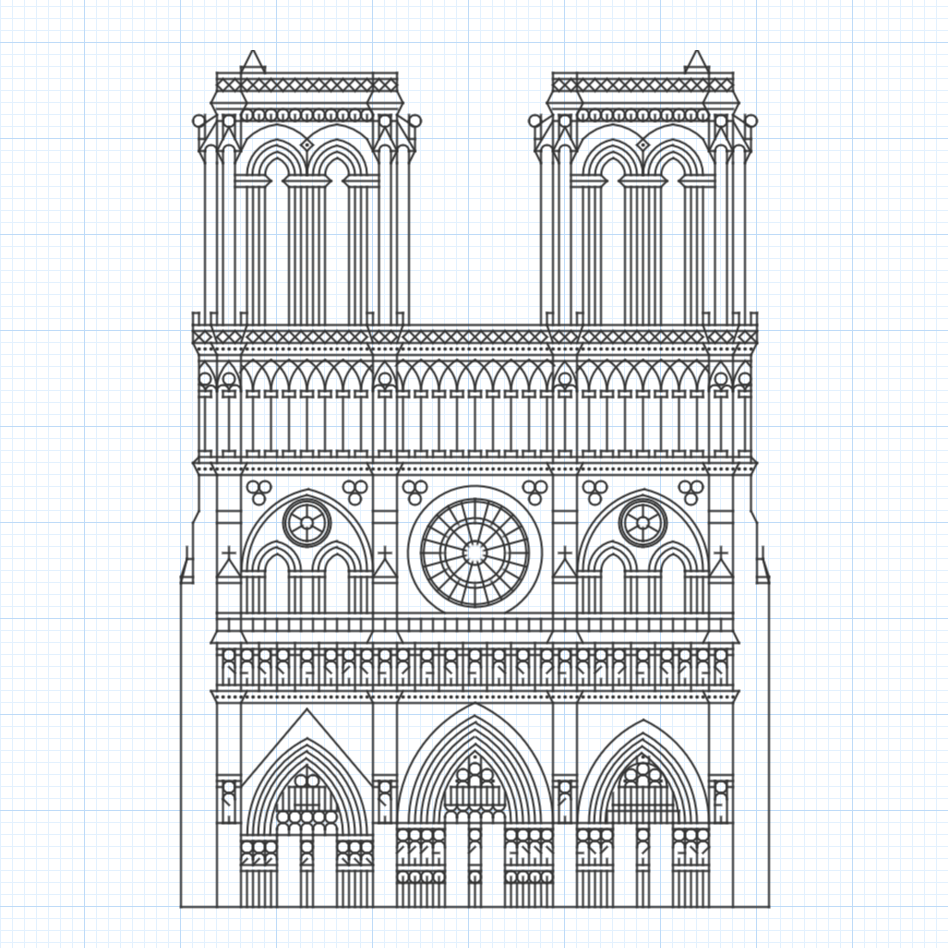
Before we sketch a floor plan or a simple facade, we talk about function and flow. The grid helps us compare room sizes at a glance and keep scale consistent. We also discuss margins for notes and revisions, so everyone knows where future changes belong. This approach reduces backtracking and keeps the project moving.
Use-case: architecture sketches
Architectural sketches on grid paper begin with light lines to outline rooms, circulation, and openings. The square grid helps align doors with windows and keep wall thickness uniform. As we tighten the sketch, we swap in a consistent scale, like one square equals one foot, and note measurements along the margins. A clean grid keeps ideas readable when we share with a family review. We adjust the grid when features change, like adding a hallway.
Floor plans benefit from proportional drawing, where you check room-to-door relationships as you draw. Use the grid to test options—placing a living area next to a kitchen, for example—and compare paths of travel. Record notes in the margins so future revisions stay organized. With a plan in hand, even a beginner can discuss layout clearly. We also compare options between open plans and defined rooms, noting how proportional drawing supports decision making.
Grid size and paper
Grid size matters for accuracy and patience. A 1/4 inch square on letter-size paper is a common starting point for small rooms, while 1/8 inch squares suit larger spaces or detailed components. Decide orientation first—portrait for tall exteriors, landscape for wide floor plans—and choose a paper size that won’t require excessive margins. If you plan for printouts, leave some margin.
Printing and measurement
FAQ: Q1—How do I choose grid size? A: Start with 1/4-inch squares on letter-size paper. Q2—What orientation is best? A: Portrait for tall plans, landscape for wider layouts. Q3—What does scale mean? A: Each square equals a fixed unit, usually 1 foot or 1 meter. Q4—How can I check accuracy? A: Print a test page at actual size and measure with a ruler.
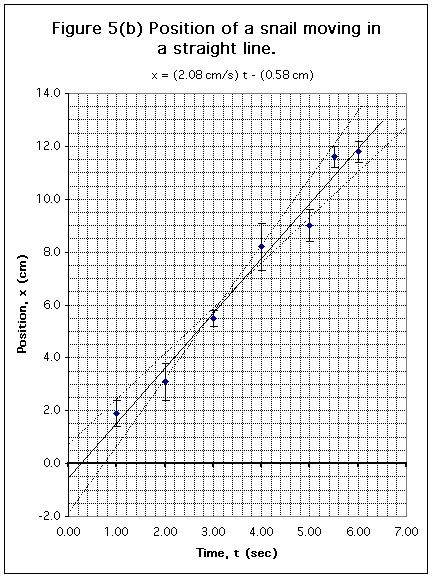
Conclusion: Using grid paper for architecture sketches, floor plans, and proportional drawings makes planning more predictable and learning more tangible. Start small, keep margins clear, and test your scale before exporting final layouts. With consistent practice, homeschooled students develop spatial thinking, basic drafting skills, and confidence to communicate ideas clearly.