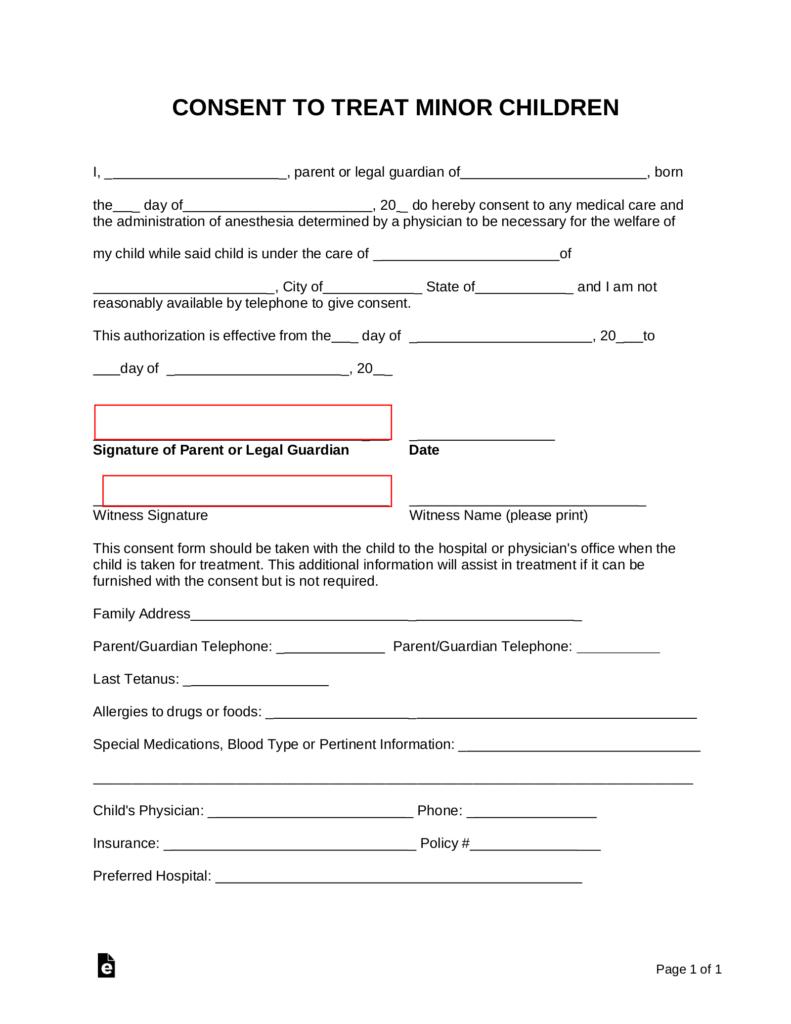
On a busy Friday I opened a field-trip packet and found a printable medical consent form tucked between the schedule pages. It looked simple at first, but it made me slow down, think through safety, and consider the best plan for every kid in my class of curious seventh graders.
I realized this document wasn’t only about permission; it was a safety checklist in disguise. It asks for emergency contacts, allergies, medications, and who to notify if something happens. It also governs consent for first aid and minor treatments when a guardian can’t be reached. The form nudges adults to discuss expectations with each other and with a student before anything happens. That conversation beforehand often saved us a late-night email chain and a few worried calls.
What it covers
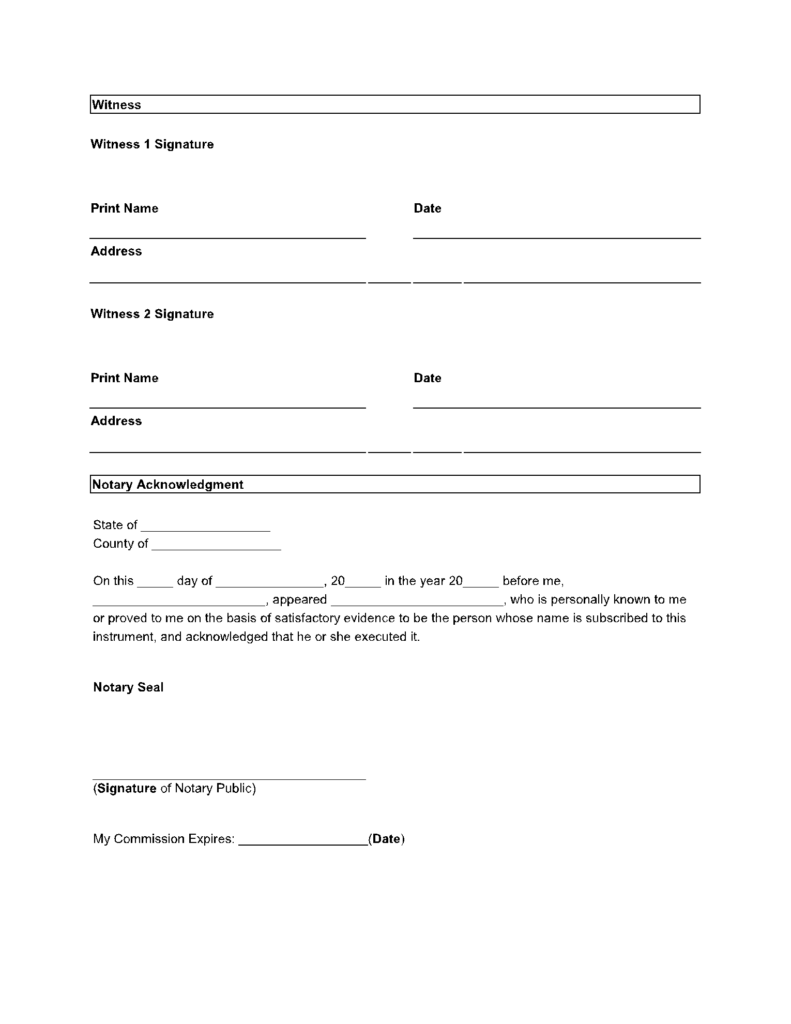
It covers basic information teachers and school staff need, but in concrete terms. The guardian names who can give permission, and the school notes any medical conditions the staff should know. It also includes physician contact and a space to specify medications and dosages. I remind my team to treat it as a living document, not a one-and-done form. In practice I also push for a simple data-handling note: store only what’s necessary, and keep it securely filed.
It’s easy to assume the form is complete, but updates happen: a phone number changes, a new allergy emerges, a new doctor is added. I remind teachers to schedule a quick quarterly check with families, maybe during report-card pickup, so everyone stays aligned. If a student moves to a new clinic, we should reflect that promptly. That proactive habit cuts confusion during trips and daily routines. In a pinch, the form becomes a shared reference point for substitutes and staff.
When it helps
In my classroom, the form shows up most clearly during field trips, after-school activities, and a few in-class health checks. It helps me know who I can call and what to do if a kid skins a knee or forgets an inhaler. I keep a spare copy in the trip binder and another in the nurse’s office. It also helps when a student needs a note for the nurse’s office, because the form reveals who can approve a minor treatment.
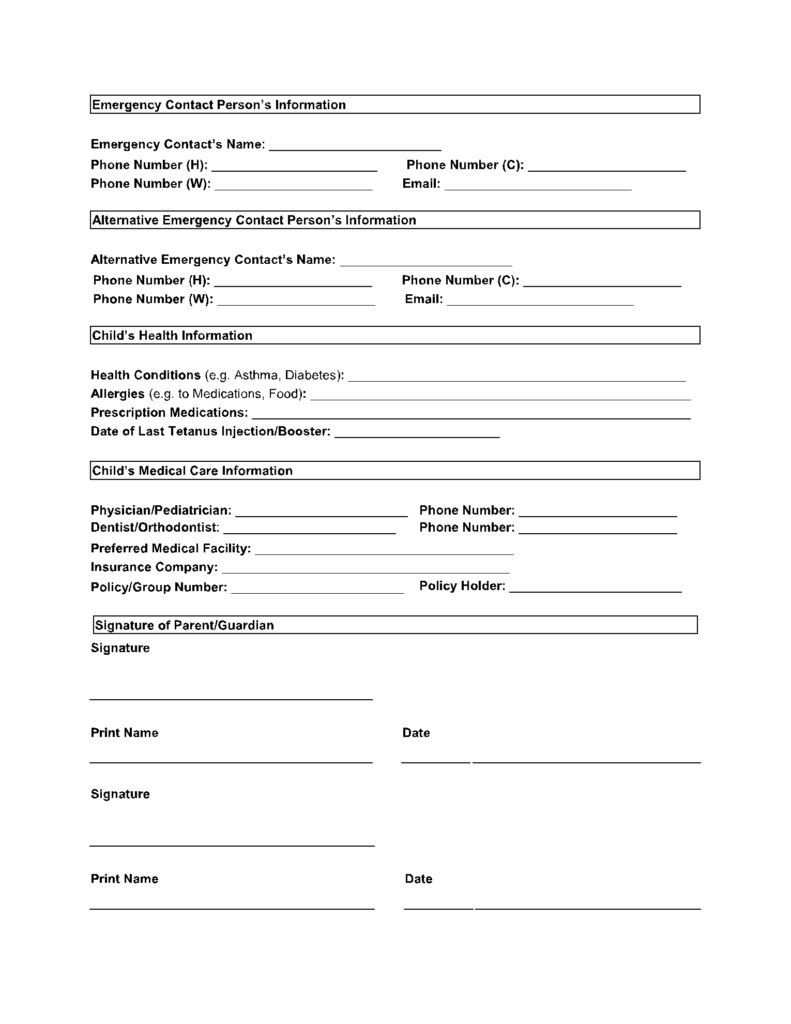
Before sending home the forms, I try to model what a parent should check: accurate contact numbers, current health needs, and a clear sign of who can authorize care. I also explain to families how to keep the information current and where to store copies at home. To make the form usable in the field, I suggest turning sections into short checkboxes or fill-in lines. The goal is clarity without slowing everyone down.
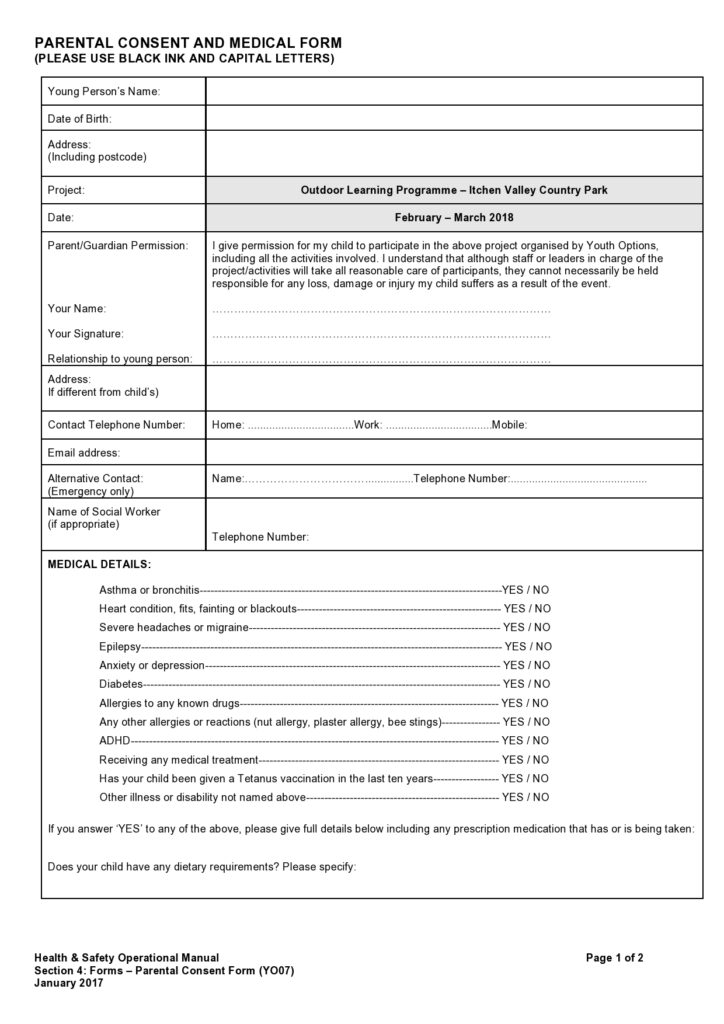
So, in the end, this is about reducing surprises, not erasing judgment. A well-checked form supports our routines, but it doesn’t replace clear communication, practical planning, and ongoing updates with families. Keep a copy handy, review it each semester, and bring up any questions early. If you treat it as a living tool, the printable medical consent form becomes a straightforward ally for safer adventures. The habit of reviewing it with guardians builds trust and reduces stress on trip day.