
This morning in my preschool corner, I pulled out a tiny, hopeful plan—a printable fortune teller that promised a playful, screen-free peek into the day. I like how it sounds simple yet thoughtful, something that could travel between small groups with minimal prep and plenty of smiles.
I know parents value activities that feel meaningful without adding chaos. This little idea seemed to fit: a foldable set of prompts that invites conversation rather than drill. My goal was to see if a low-prep resource could spark curiosity and social play during our morning routine.
Morning plan
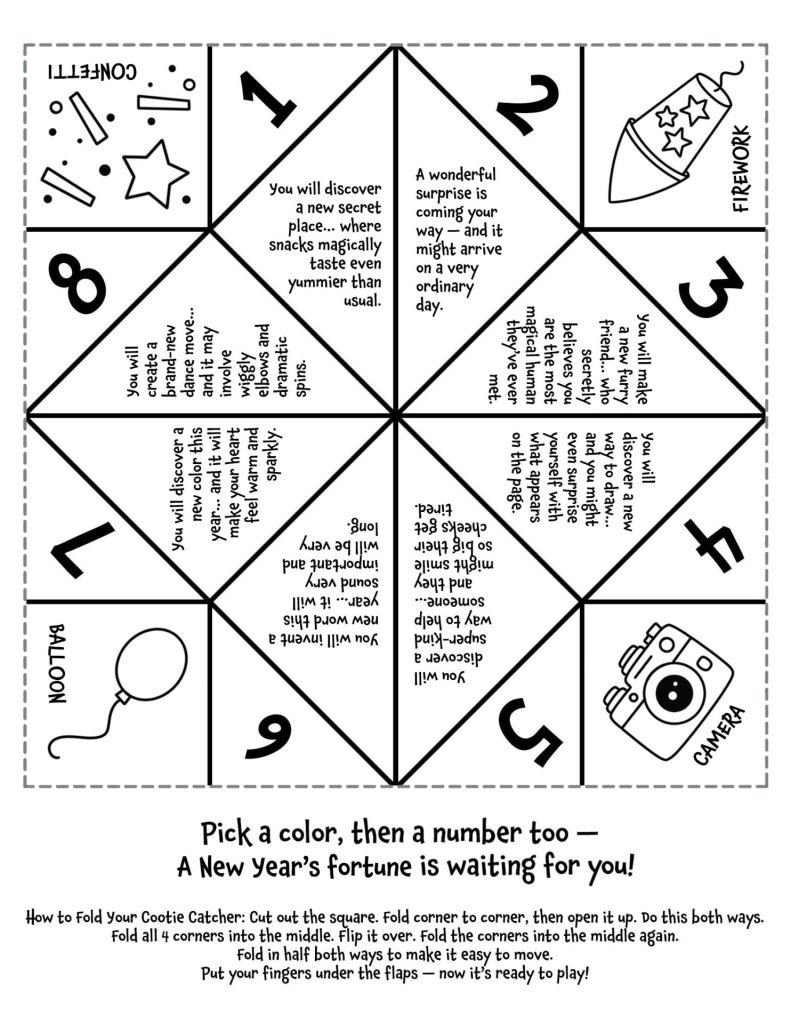
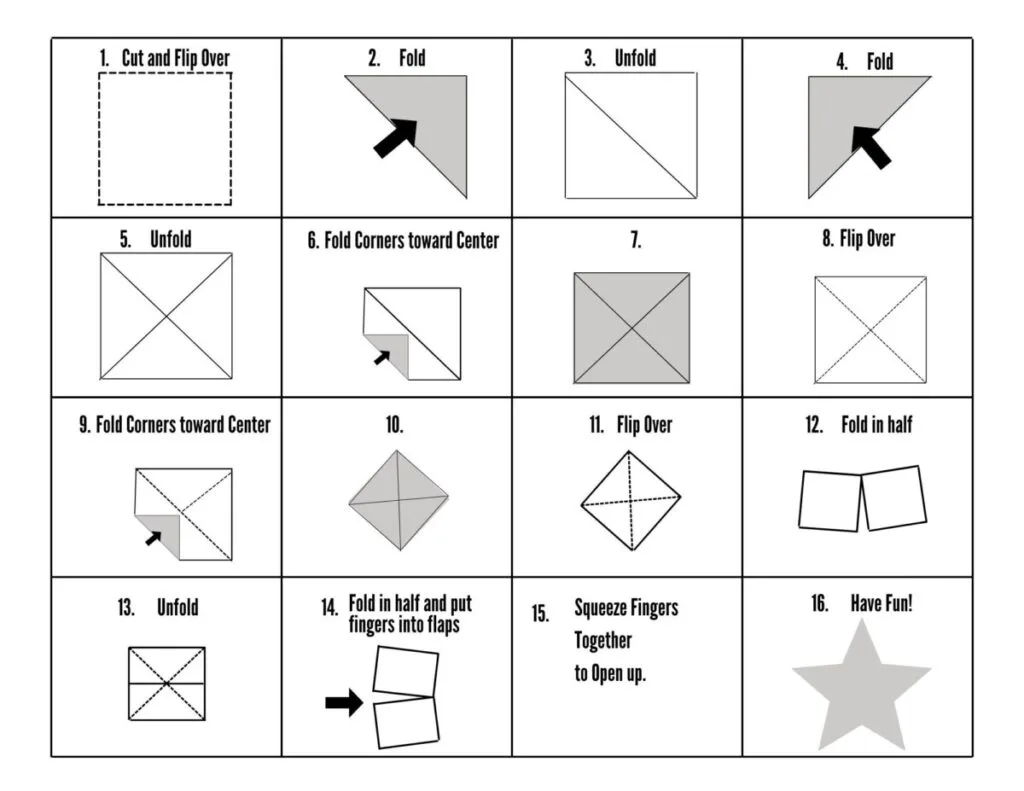
We arranged a small rug, a tray of cards, and a visual cue card by the easel. I explained the folding steps slowly and demonstrated how a pair could pass the fortune teller back and forth. The room settled into a calm rhythm as children joined with their partners.
During the first round, a few giggles surfaced and then focus. Some kids talked about imaginary fortunes, others used the prompts to describe their day plans. It became a simple turn-taking exercise, with listening and responding as a goal. A couple of cards were a touch hard to read in the corner light, so we adjusted.
What clicked
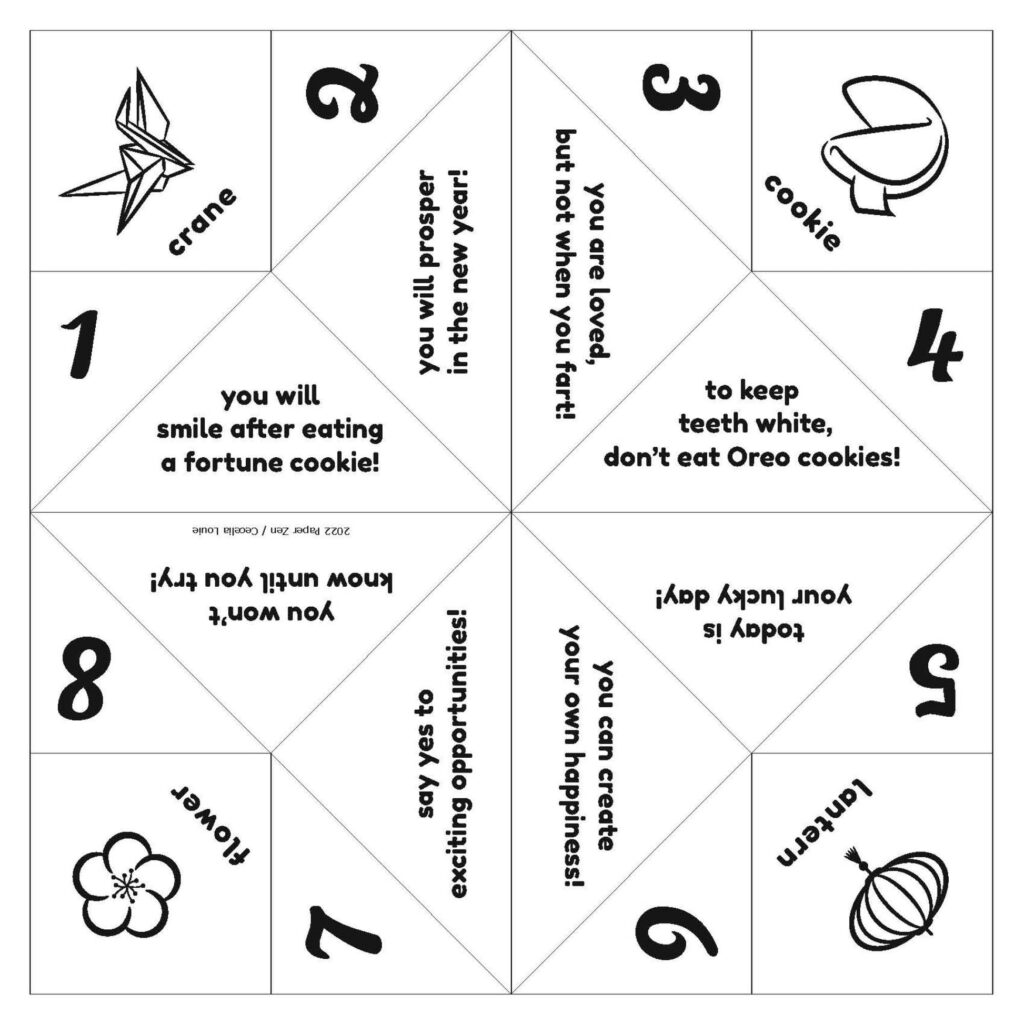
The kids who leaned into the folding activity stayed at it and found meaning in the prompts. It nudged shy children to speak to a partner rather than to me, which felt like progress, even if small. The tactile action—folding, pointing, and sharing—made the conversation feel playful instead of scripted.
By mid-morning we noted several practical limits. The printed cards were a touch small for some early readers, and a few pictures didn’t translate well for kids with processing differences. We decided to laminate the deck for durability and to enlarge the prompts a bit, plus offer partner roles that vary by need.
Practical tips
Start with a tiny group and a timer; rotate partners to avoid overloading a single child. Keep a simple language bank for prompts and let kids choose their own favorites to increase ownership. Use it as a springboard for SEL discussions—like naming feelings or planning a snack—without turning it into a test.
Different needs
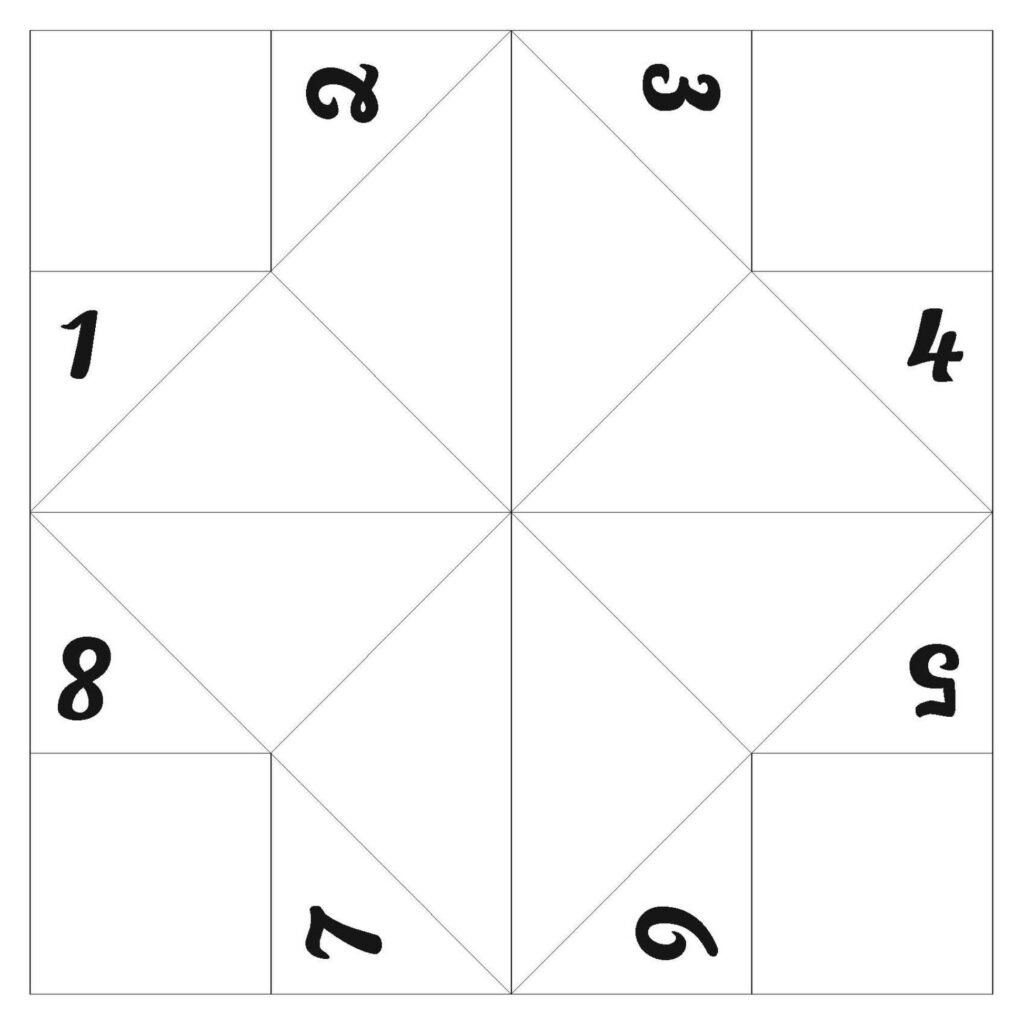
For younger preschoolers the prompts can stay broad; for older preschoolers you can add more specific prompts or longer conversations. The printable fortune teller format works best when it’s treated as a light, social activity rather than a script. In our classroom we use it as a soft transition tool between centers, not as a core lesson.
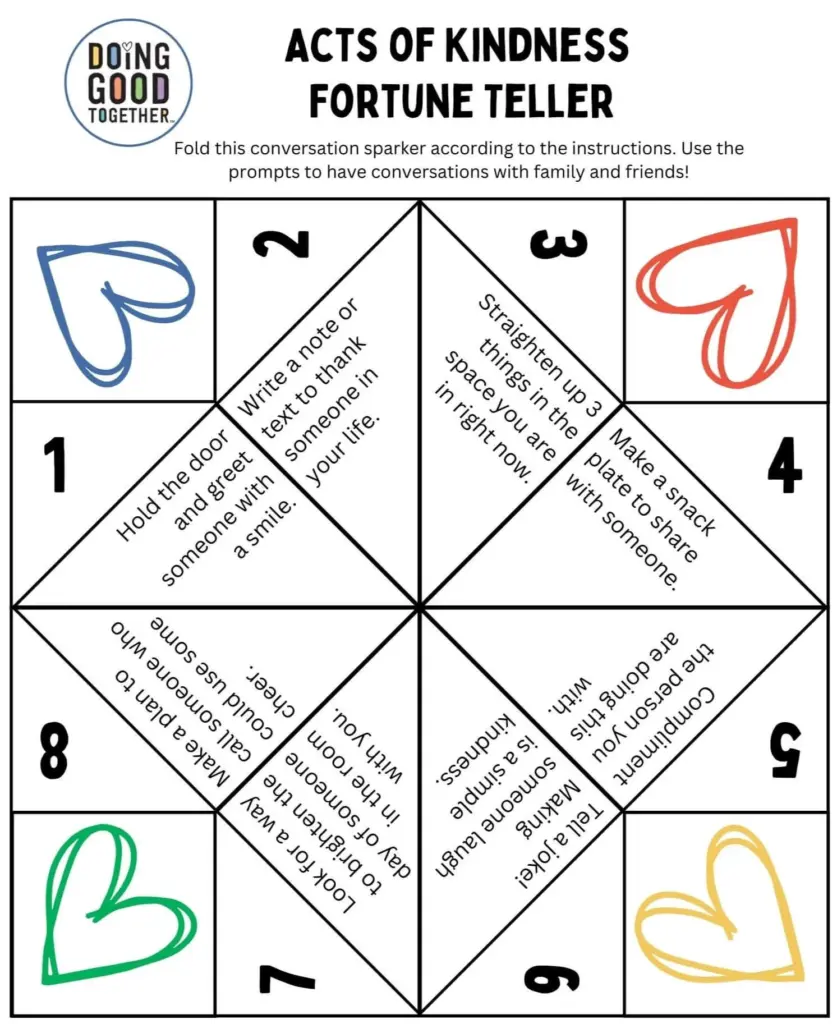
At the end of the day, I walked away with a clearer sense of what a simple resource can and cannot do. A printable fortune teller can invite interaction and practice in turn-taking, but it won’t replace thoughtful, individualized guidance. My takeaway is to choose tools that invite play, acknowledge limits, and stay flexible so the kids feel successful.