
During our homeschool mornings, I reach for large printable grid paper because it keeps math drills, map sketches, and science notes neatly organized on the kitchen table. The bigger grid gives my kids space to write, erase, and redraw, which reduces frustration and saves time.
On a recent week, we used it to lay out a family budget and a science project timeline. The large cells make it easy to align decimals, columns, and step markers without smearing ink. When my son graphed his plant growth, the clean squares helped him see pattern changes at a glance. It felt practical, not magical. Today we also used the grid to sketch a quick timetable for chores and reading, which helped eliminate nagging and kept us moving.
A practical classroom ally
Another use is handwriting and math practice in the same space. The grid lines guide letter height and neat margins, which helps my younger child copy fractions and long division more carefully. We print two pages per sheet to create small practice grids and leave room for notes. We still pair it with a whiteboard for quick demonstrations. We store the sheets in a binder and revisit them for short review sessions, which reinforces patterns without shouting.
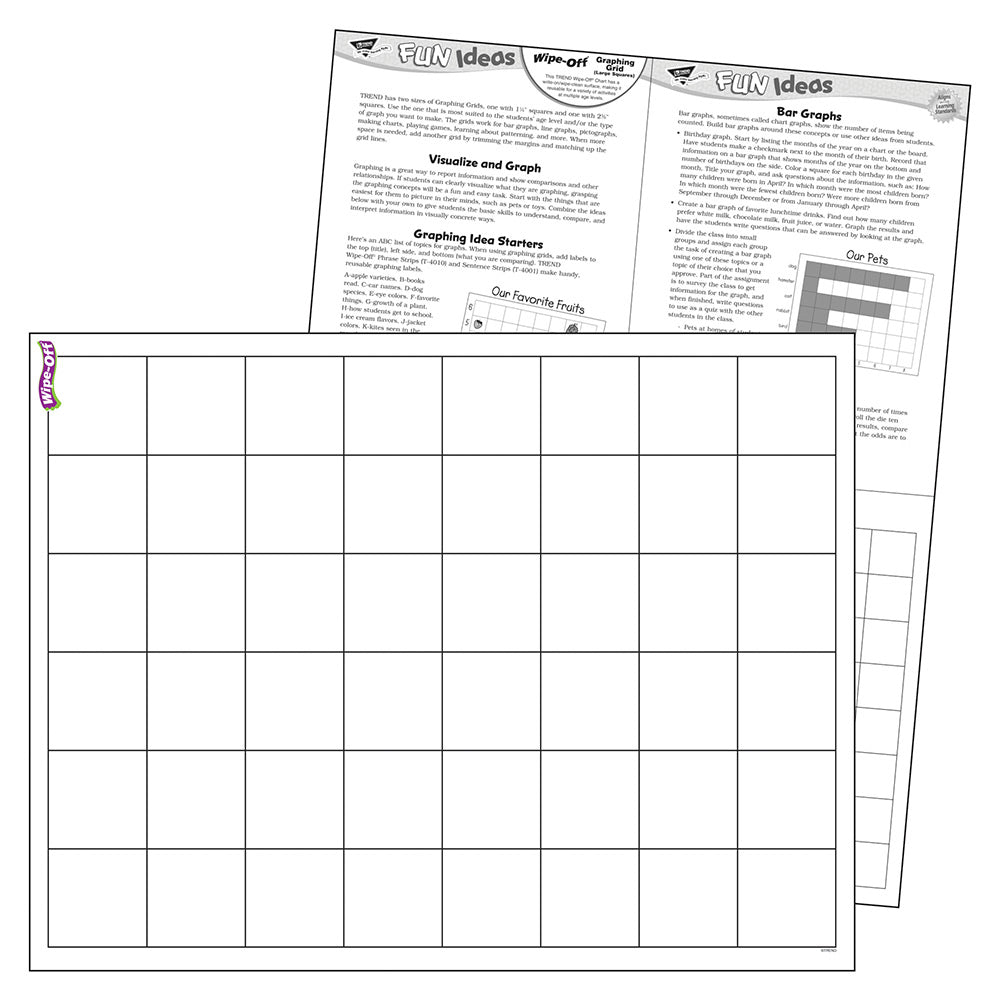
One honest limitation is that some printers cut off the edges if you don’t adjust margins. I’ve learned to set custom margins, or choose borderless printing where available, which isn’t always an option on older models. When the print comes back with a tiny frame, the alignment looks a little off and we reprint. It’s a small tradeoff for bigger grids. If you print, you can save paper by printing double-sided, though we mostly keep single-sided for ease of use.
Tradeoffs and tweaks
To fit daily rhythms, I print a few sheets at a time and keep them in a clipboard portfolio. My kids switch between tasks by color coding a grid for each subject, which makes the day feel calmer. We also use a simple weekly plan on the grid to outline projects, tests, and chores, so we don’t lose track. We rotate responsibilities so each child tutors the other using the grid as a guide, which builds independence and teamwork.
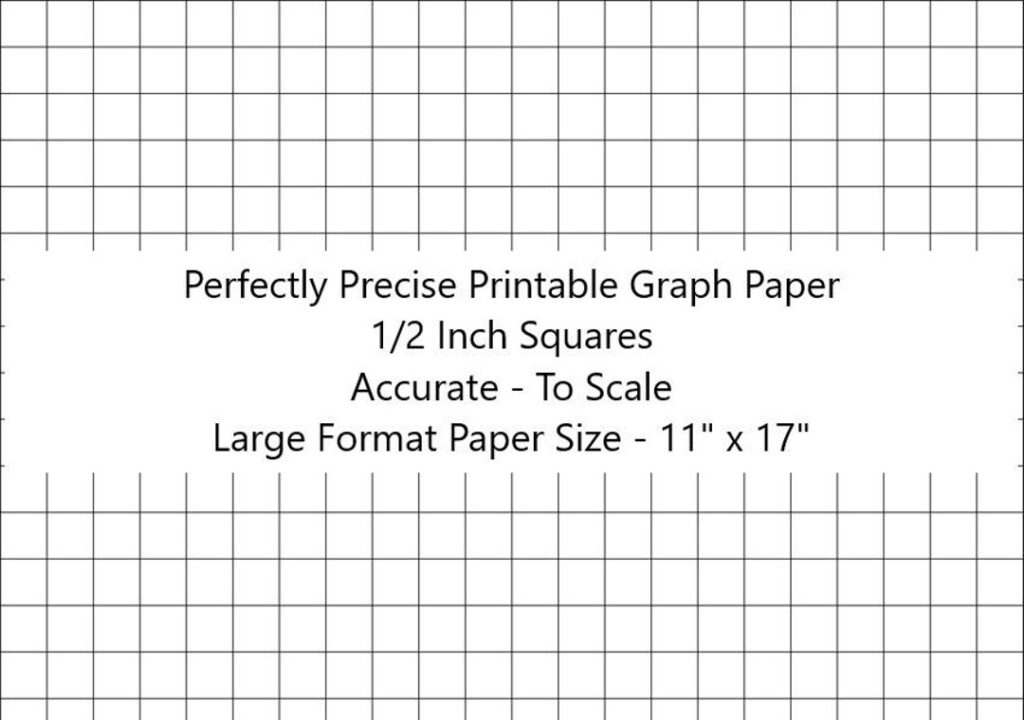
Compared to digital grids, the printed sheets invite a slower pace that suits our routine. There’s something tangible about chalky pencil marks and a clean sheet that a screen can’t replicate, especially for younger learners who benefit from physical borders. I keep a few backups of different grid sizes, so we can switch as the project dictates. We often reuse pages for review when a unit ends, and the pages show wear but still serve. We also reuse the sheets for quick practice when a new chapter begins.
A final note
If you’re considering this for your home classroom, start with a single project and a single size. The payoff is mostly in clarity and pace, not magic. Older students enjoy sketching graphs, while younger ones appreciate the bigger boxes for basic writing. It’s about finding what fits your space and routine. Try pairing it with a timer to keep sessions short, and keep expectations modest as your kids adjust.
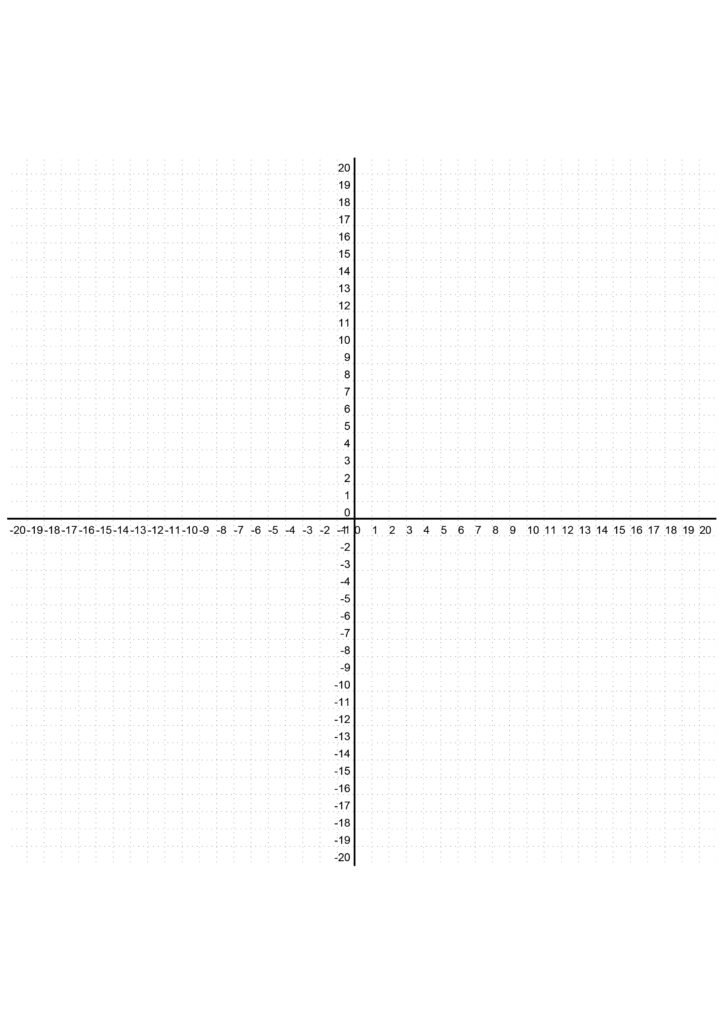
In the end, the goal isn’t a miracle product but a reliable helper you can scale up or down as needed. My kids learn to pace themselves, to align work more neatly, and to tolerate a few misprints without panic. It also spurs quieter collaboration and greater patience. If you value hands-on work, embracing a simple, portable system like this can be worth the tradeoffs, even on busy weeks, with large printable grid paper in reach.