
In my engineering classes I begin sketches on free printable graph paper to anchor ideas in measurable scale. The grid fosters clear communication among architects, students, and clients, turning abstract concepts into tangible diagrams. A reliable drawing surface quietly grounds good design.
Architects and engineers often confront an early problem: grid lines drift when you redraw, causing walls, door widths, and room proportions to shift. A consistent grid keeps scale honest and makes proportional sketches easier to compare with notes. When measurements start on a clean grid, you can translate ideas into floor plans with confidence, and later revisions stay aligned rather than cascading into confusion. In short, a dependable graph paper baseline saves time and reduces costly errors in design iteration.
Choosing grid size
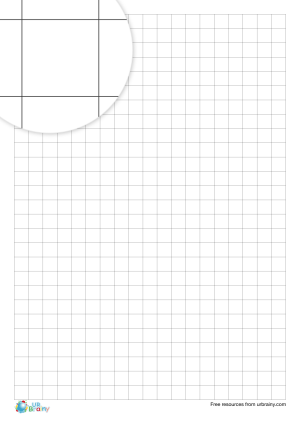
When deciding grid size, the task is a balance between legibility and detail. A 1/4 inch square grid is comfortable for broad layout sketches, letting walls and major elements breathe without crowding the page. For finer corridors, door swings, or furniture layouts, a 1/8 inch grid can be invaluable; it lets you refine proportions without resorting to constant scale changes. The key is to pick a grid spacing that matches your paper size and the scale you intend to use in an early schematic.
Think about paper size and orientation early. Letter size and A4 both handle printable grids well, but you may prefer portrait for vertical stair sections or landscape for wider floor plans. Leave margins that accommodate binder holes or binding edges, yet ensure the grid remains fully printable. If you intend to add notes or dimensions, include extra space beside the grid or switch to a larger page when possible. Always confirm the grid spacing remains intact when you print in your chosen paper size.
Printing considerations
To transfer your grid paper workflow to a printing workflow, choose actual size in the print dialog and disable page scaling. Preview the document at 100 percent and verify a calibration square matches the true grid if your printer supports it. Use the browser’s print settings to avoid automatic shrinking and select a standard print quality. If you see slight drift between on-screen and printed squares, adjust the margin settings or try a different printer profile and recheck with a test page.
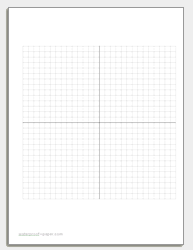
For architecture sketches, the coordinate grid helps keep elements aligned across multiple sheets. Start with a base plan on the grid, then annotate walls, door lines, and room labels using consistent offsets. Proportional drawings come alive when you treat each square as a fixed unit and maintain scale as you move from rough layout to more precise drafting. A few careful measurements on the grid can prevent rework when you translate ideas into digital floor plans or 3D models.
Measuring and validation
After printing, validate accuracy with simple checks. Use a ruler to measure several known distances and compare them against the number of grid squares they occupy. Confirm that key spans, such as wall-to-wall clearances and stair widths, translate properly at your chosen scale. If distances don’t align, reprint with adjusted margins or a different paper size and reverify. Document the grid spacing and scale you used for future reference so teammates can reproduce the same results.
FAQ
Q1: What grid size is best for architectural floor plans? A: Start with 1/4 inch squares for broad layouts, switching to 1/8 inch for detailed areas. Q2: Can I print on standard letter size paper? A: Yes, but ensure you print at actual size and adjust margins. Q3: How do I verify printing accuracy? A: Print a calibration square on the grid and measure it with a ruler.
Q4: Should I use portrait or landscape orientation? A: Choose based on your plan's width and the page's margins. Q5: How do I manage margins and gaps? A: Leave consistent margins and consider extra space for notes.
By integrating grid paper discipline into early sketches, architectural ideas translate more reliably into floor plans and proportional drawings. The practical choices around grid size, paper size, and printing scale matter as much as the sketch itself. Treat the grid as a tool for clarity, not a constraint, and your later design work will be smoother. If you adopt these habits, you’ll communicate intent more precisely and reduce the back-and-forth during development.