
I’m always thinking about routines in my classroom, and a simple printable tool can help. When I plan transitions, I turn to a free printable boarding pass template as a visual nudge to move my students with confidence and purpose. It’s not flashy, but it helps regulate pace.
Transitional moments in class can be tricky for my kids, so I lean on a predictable, steady tool that signals what comes next. The boarding pass idea isn’t about pretending to travel; it’s a concrete cue that marks movement between activities, reduces doorbell interruptions, and gives students a feeling of control over their day. With a glance at the card, I know where to go, what to do, and how long to stay there.
I’ve learned to pair it with a cue for transitions, because stress in hall can derail focus.
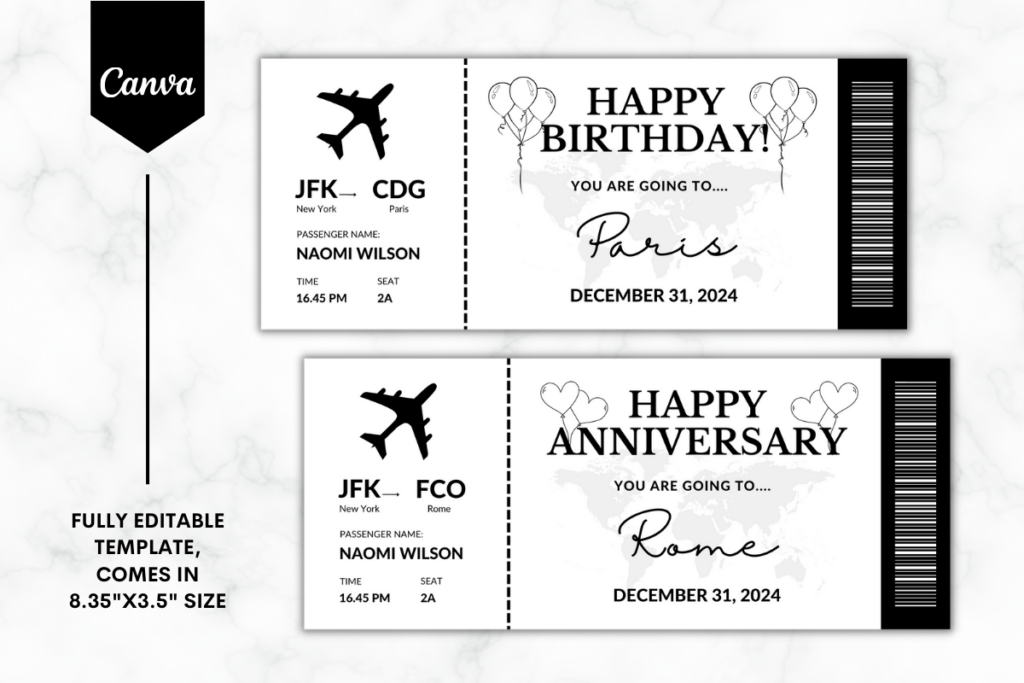
A practical use
One real-world setup I trialed was a morning station where learners rotate between reading, math, and a fine-motor task. Each station assignment got a printed pass with a color and a simple picture cue, so my nonverbal or emerging readers could follow along. I laminated the passes, attached them to a door hook, and labeled the colors clearly on a whiteboard so substitutes could pick up the rhythm quickly. The routine pays off when students arrive calm and ready.
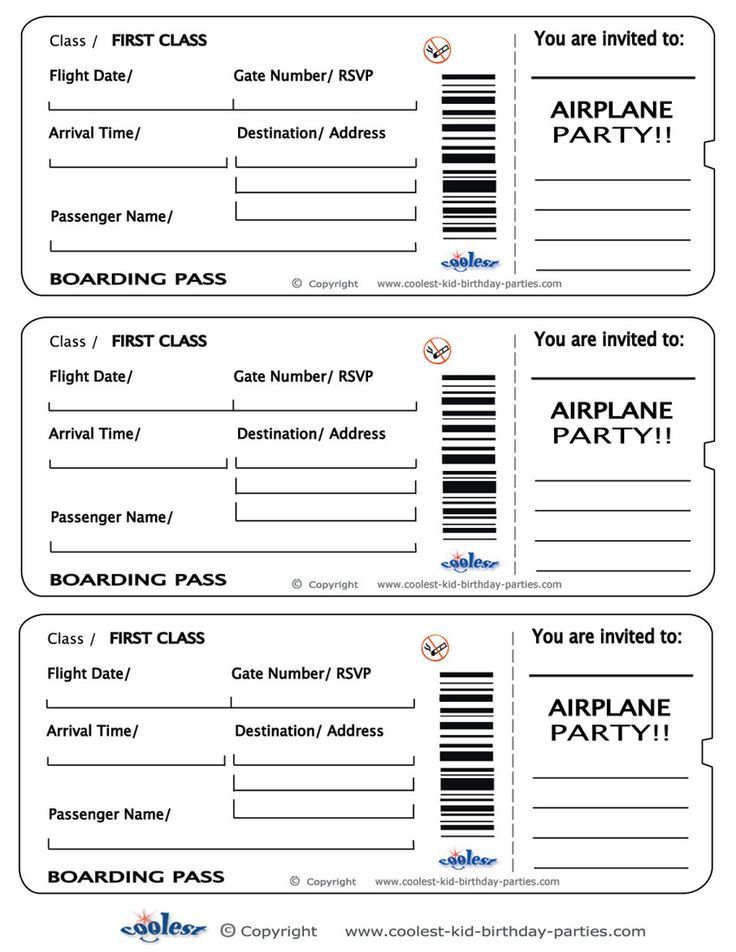
To make it work smoothly, I chose a simple layout: large student name, target activity, and a tiny clock icon for duration. I printed on bright paper, laminated, and filed by color in a labeled bin. We kept the wording concise and used plain language. The routine pays off when my kids know exactly where they’re headed, can self-check, and feel confident entering the station without questions.
Limits and tweaks
One honest limitation showed up quickly: not all students read the same way, and asterisks on the card aren't enough for a few. For a subset, we needed larger fonts, clearer icons, and a quick verbal cue paired with a gesture. Some days the hall was noisy, and the passes drifted off a hook, so I used a small lanyard clip, a shallow pocket by the door, and a buddy check system.
A quick-start guide
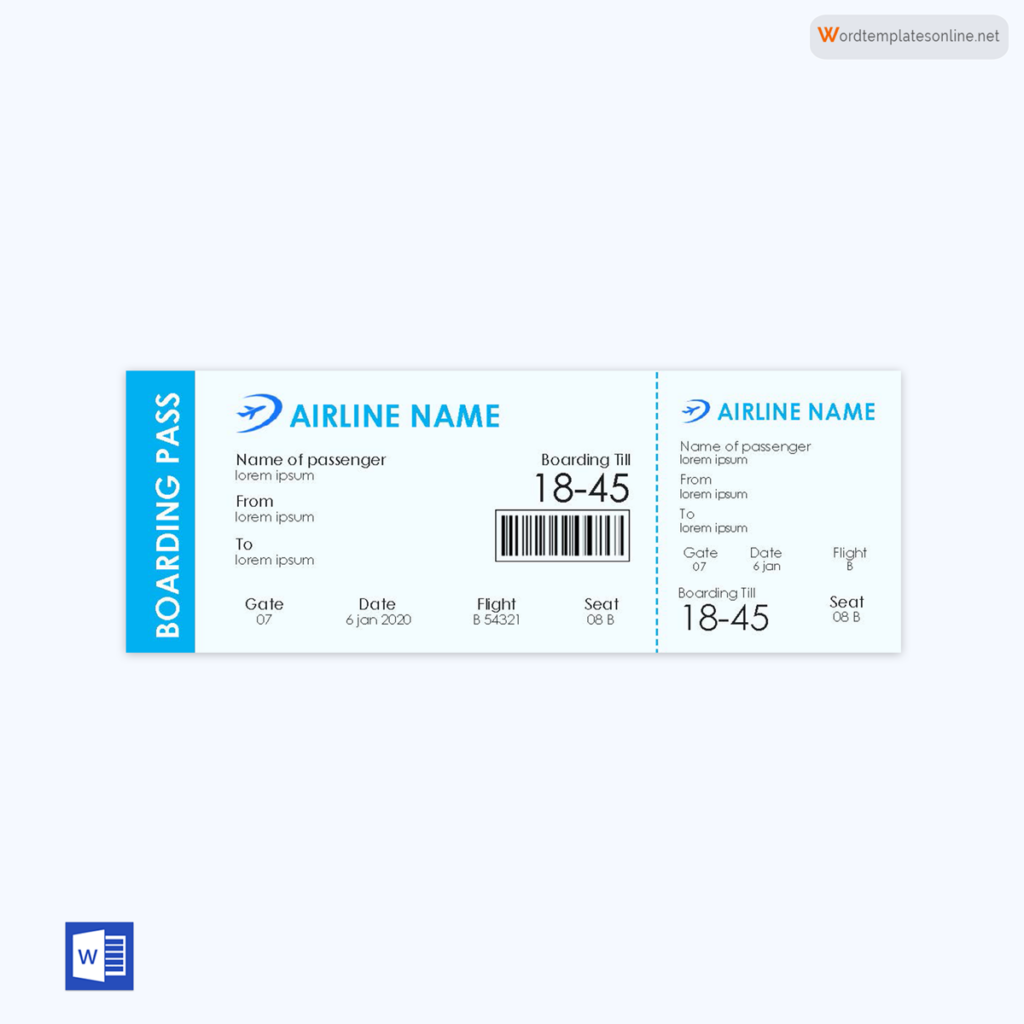
A simple, repeatable setup helps families and substitutes know what to expect and lowers anxiety for students with sensory needs. Start by choosing a single template and a small set of fields: name, destination, and time. Print several copies in a few colors, laminate, and store in a labeled bin. Practice the routine with one morning block before expanding to the full day. If a student needs extra time, we keep a spare pass in a pocket at the desk and we allow a brief pause before re-entry.
Over time I found that these passes aren't just cute visuals; they anchor independence and predictable transitions for my students who benefit from concrete cues. I adjust fonts, simplify icons, and keep the number of passes small to avoid clutter. In the end, a free printable boarding pass template helps me stay organized, patient, and present with every learner I serve. They also support substitutes and volunteers who may not know our rhythm, so I keep a small binder with updated versions and a few blank passes for pop-up activities.