
As a seasoned daytime program provider, I regularly add calm, kid-friendly activities to the daily schedule. A four leaf clover coloring page can become a simple mindfulness moment, helping kids slow their breathing, notice shapes, and settle into a quiet, focused activity before transitions.
In my classroom, I invite children to pick a page, take three slow breaths, and then choose colors with intention. I encourage them to name one thing they notice about the line art and one color that feels calming. This simple routine helps nervous kids join group activities more smoothly.
The Easy Starting Point
Choose a page with clear line art and generous white space. Large shapes and bold outlines help developing fine motor skills and reduce scribbling frustration. Start with a single color to steady the hand, then invite a second shade to explore light and contrast. Keep the session short, and celebrate small completions.
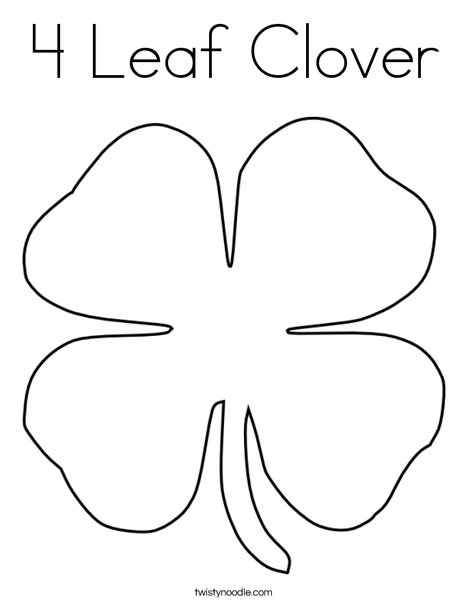
Within this easy starting point, you can adapt for different ages. Younger children benefit from tracing lines and big shapes, while older kids can practice shading and color blending with colored pencils. A predictable routine—three slow breaths, a choice of two colors, and a quiet finish—builds confidence and a sense of calm that can extend beyond art time.
What Children Can Do With These Pages
These pages support focus, fine motor practice, and expressive language. As children color, you can prompt them to describe textures, count petals, or name colors that match a mood. The activity also creates a quiet space for peer observation and sharing. Expect moments of concentration, gentle discussion, and a sense of accomplishment.
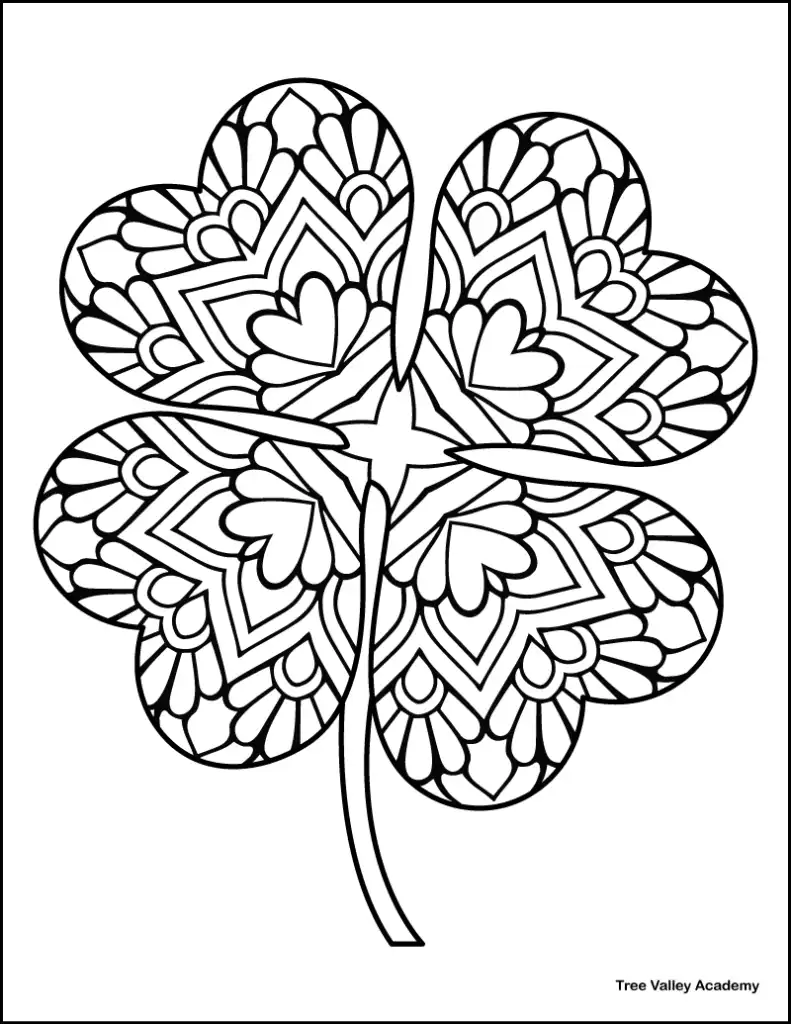
In a home or classroom, this coloring printable makes a flexible kids activity that travels well between center times and group readings. Use it for a quick transition, a reward during literacy or math centers, or a calm-down station after active play. For libraries or birthday parties, offer a small display of colored samples and a tips sheet.
Choosing the Right Page

When selecting a page, consider age and setting. Younger children may thrive with pages that have fewer details and thicker lines, making tracing and color filling easier. Older children can handle more intricate shamrock designs or two-color patterns. In classrooms or at home, pair the page with a brief storytelling prompt or a counting task to extend the activity without reducing the calming focus.

Conclusion: A mindful coloring routine with a printable sheet can add a gentle, adaptable calm to busy days. FAQ: Is this printable suitable for home use? Yes, it works well in homes, libraries, and classrooms. FAQ: What supplies work best? Crayons or colored pencils on standard copy paper help the line art stay clear. FAQ: Can it support mindfulness? It may encourage slower breathing, observation, and a simple daily routine.