
I was tidying the snack shelves when the principal asked me to squeeze in a quick check-in for every kid. In that moment I remembered a feeling chart printable I'd tucked into a planning folder the week before, hoping to simplify tricky mornings.
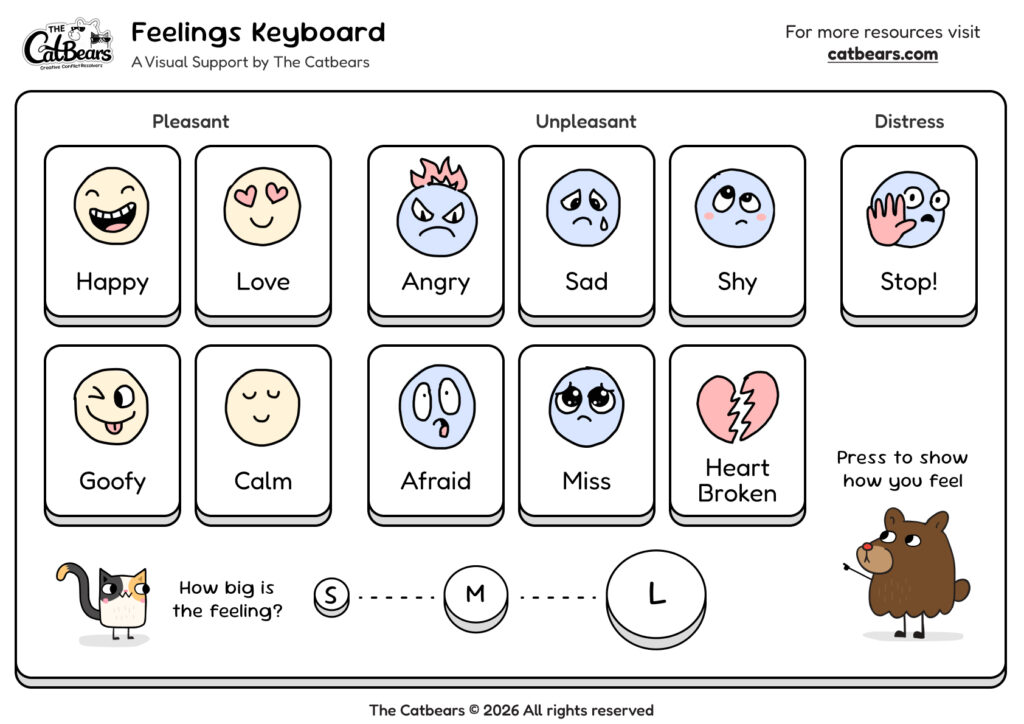
With time squeezed between handwashing songs and story time, I pulled it up on my tablet and scanned a handful of options in a rush. We were in a classroom where a few children were shuttling between moods, and I wanted something that would be clear at a glance. I chose something simple, color-coded, no long explanations. I told myself to trust the first clean layout I liked, not the one that promised perfection. It was a risk, but the moment felt right for a quick test.
A quick discovery
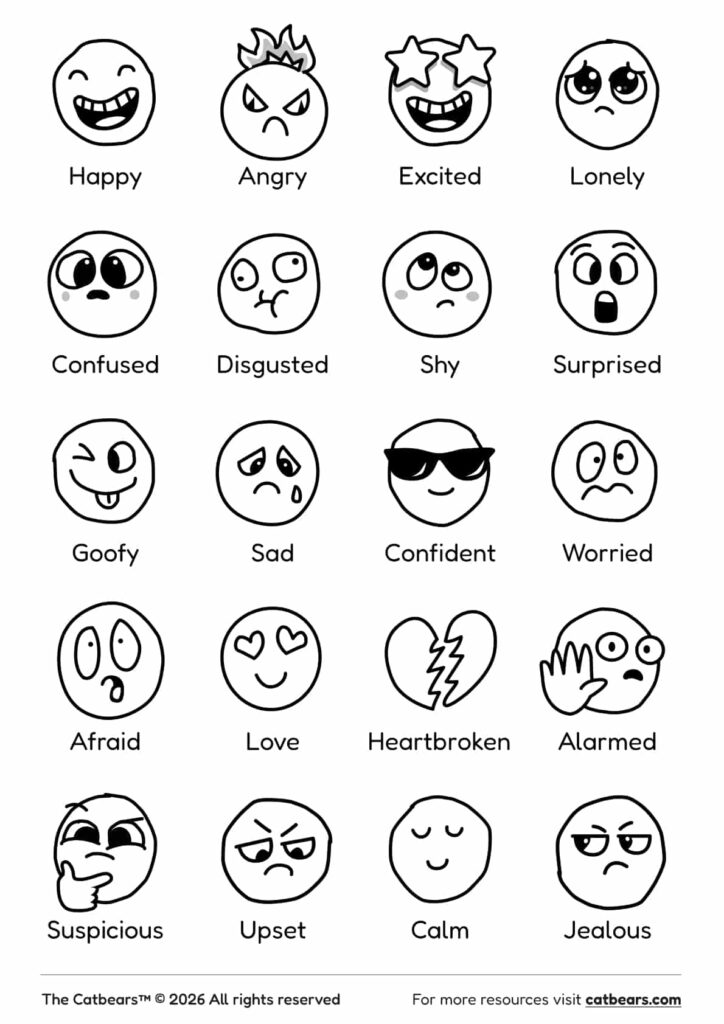
On screen, I compared a few layouts: one with big emoji faces, another with simple labels and a line for 'other.' My kids respond differently to visuals, and I found that the calmest circle times came with faces that matched the room's color palette. I decided to try a blend: expressive faces with short labels, laminated for durability. I also appreciated the lack of tiny font and jargon; it spoke a language my kids could understand before we even said a word. The color-coded sections gave me a quick anchor during clean-up.
During snack, a boy who often retreats found his mood on display, and another who spoke little pointed to the mouth emoji when prompted. The chart gave him a starting sentence, not pressure to name every feeling. For the teachers, it reduced the number of quick questions and offered a daily rhythm we could lean on during transitions. The tool also reminded me to slow down and name the moment rather than rush to a solution.
That extra sentence actually sparked quieter conversations during line-up. Kids who used it felt more seen and less hurried.
Choosing the right fit
Of course I learned there are tradeoffs. Some kids fixate on one mood, others want to change it every minute. A printed chart can feel too clean for a room that thrives on messy feelings and messy art. We stuck with a version that left room for doodles and a quiet corner to breathe. I noticed that rotating the board weekly kept it fresh, and letting kids add their own doodles helped them feel ownership. It also meant I could swap in a new energy without rewriting the entire page.
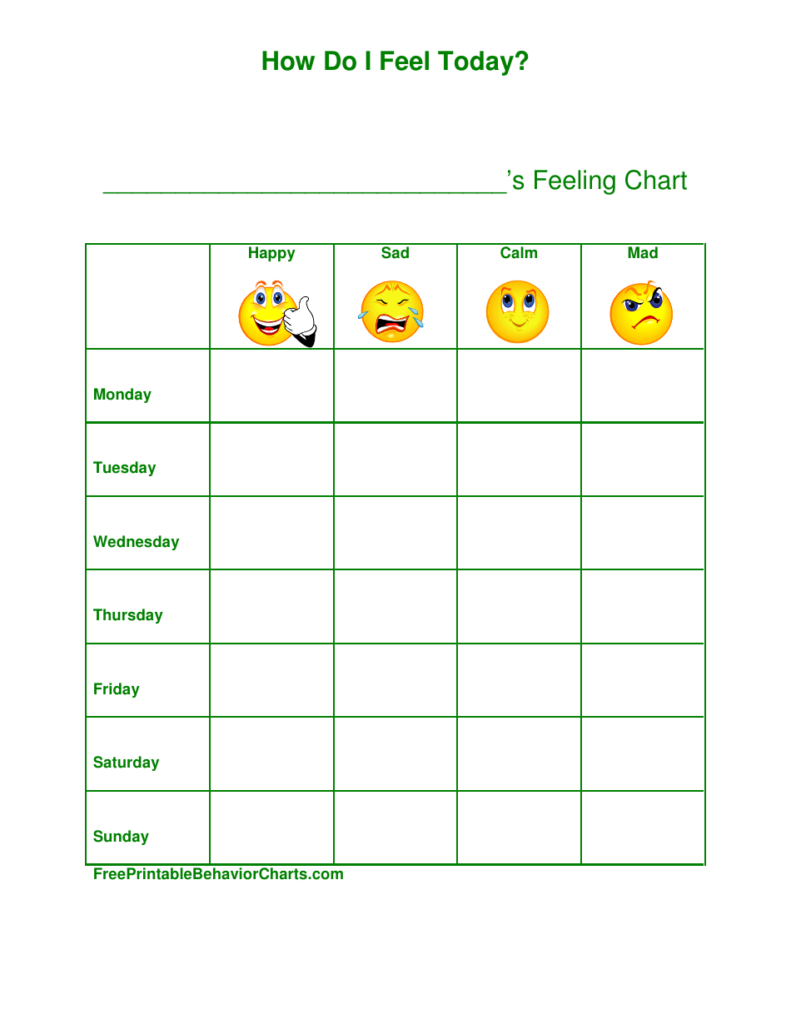
I laminated the sheet and hung it near the sign-in table, where small hands could reach but not tug. We added a simple routine: a child taps their name, points to a face, and pauses to name it aloud. It didn't solve every moment, but it offered a predictable language and a moment to reset. I kept a spare laminate in a bin and replaced the ink when it faded. The setup mattered: place it near the door to be accessible, but not in the way.
Putting it into practice
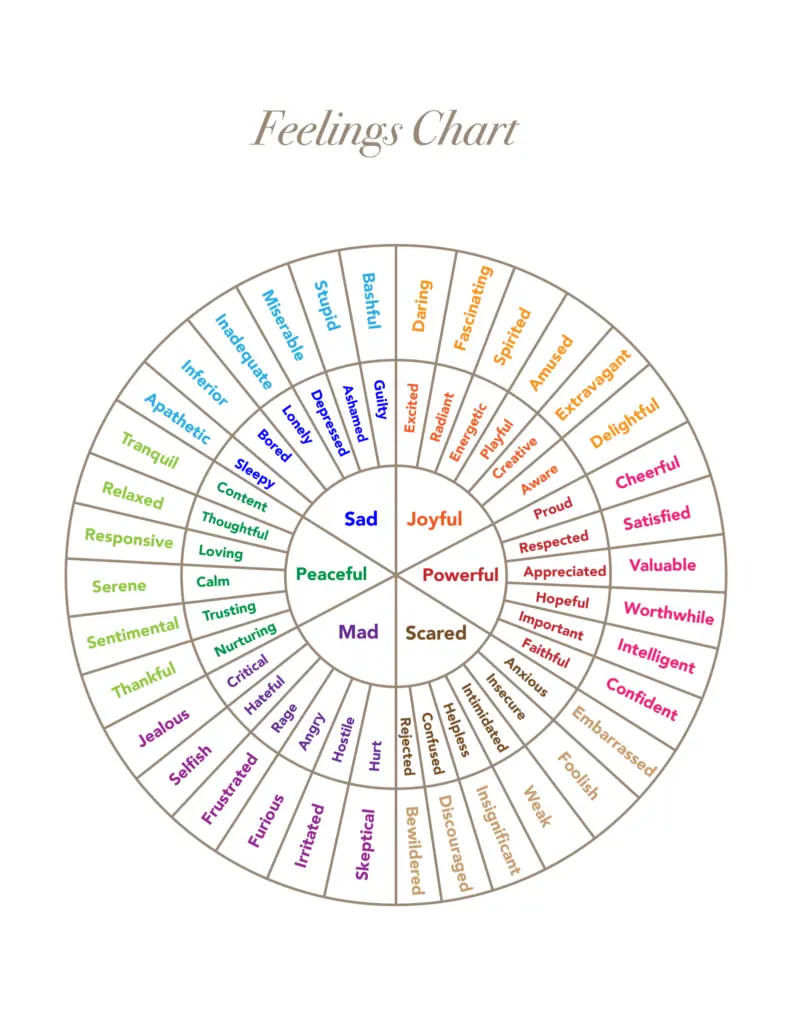
Over a week, I noticed fewer interruptions during circle time, and more kids choosing personal talk when challenged. If a child felt angry, another classmate would offer to show their face on the chart rather than interrupt the teacher. It wasn't a cure-all, but it helped us acknowledge feelings in the moment and keep the class moving with more empathy. The effect lingered into outdoor play, where mood shifts could derail a game, and the chart offered a gentle prompt to reset. It wasn't magic, but it was consistent.
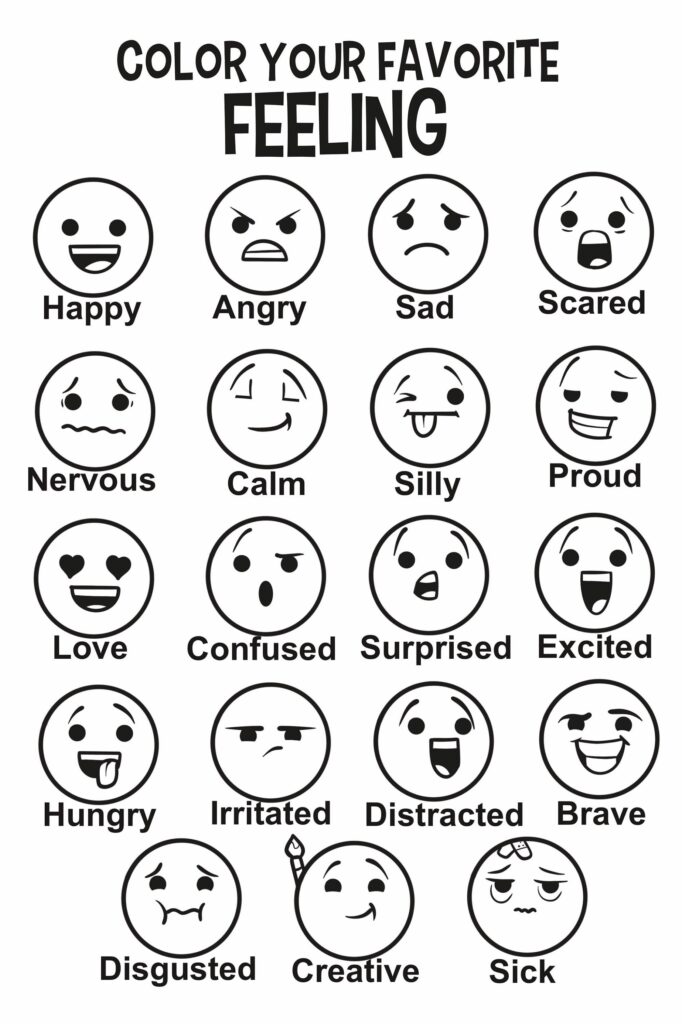
Looking back, that simple, printable tool became something we relied on without fanfare. It guided me to pause before guiding, to name what I was seeing, and to invite kids to reflect rather than react. The small routine sticks, the wall becomes a map of our day, and the feeling chart printable remains a quiet helper when the room grows loud, especially on mornings when the noise level climbs before our first snack. It isn't perfect, but it keeps us connected and gives every child a voice.