
Coloring pages pumpkins provide a calm, development-appropriate way for kindergarteners to practice fine motor skills, color naming, and shape recognition. This article explains why the theme works and how to design printable coloring sheets for class or home use. coloring pages pumpkins fit many early-learning goals.
From a teacher's lens, the pumpkin motif is approachable, seasonal, and versatile. It supports short session coloring, one-on-one guidance, and quick classroom activities. You can pair the pages with name tracing, color-labeling, or counting pumpkins to extend the activity without losing focus.
Color Choices
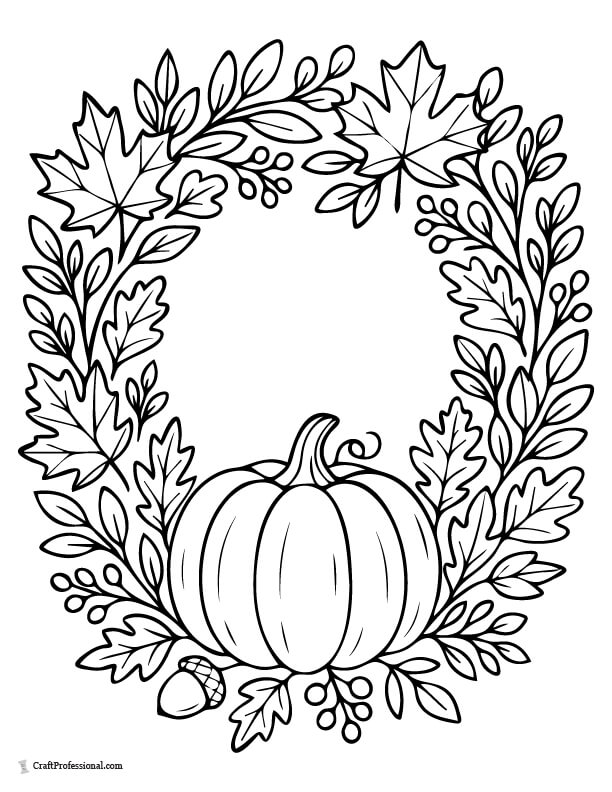
Color choices matter for young learners. Start with bold, single colors for simple shapes to build confidence before shading. Use high-contrast hues to maximize visibility on white printer paper and avoid pages that look muddy when crayons are used. Consider offering a limited palette first, then invite testing with colored pencils and markers.
Encourage exploration by adding a simple color legend on the page margin or a tiny legend card. For more advanced students, invite warm/cool contrasts or patterns in pumpkins' sections to introduce color theory basics. Provide options: crayons for bold lines, colored pencils for detail, and markers for block color.
Drawing Extensions
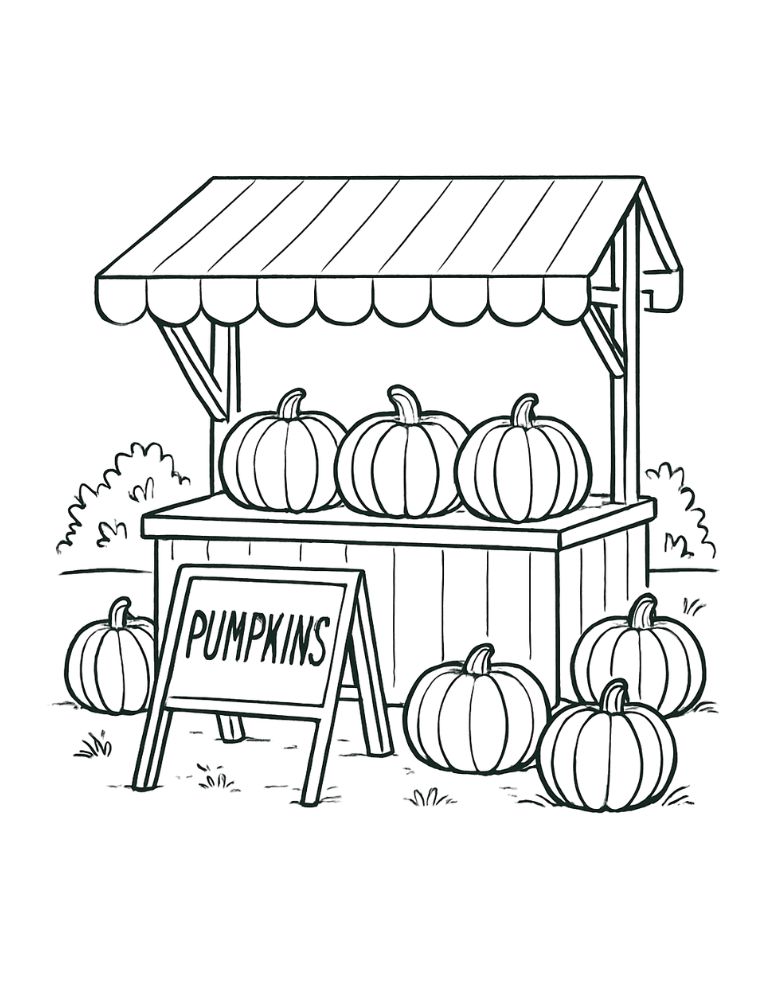
Turn the coloring page into a drawing extension by asking students to add a background: a moonlit harvest, a patch of grass, or a friendly scarecrow. This supports planning, sequencing, and fine motor control. You can model light and shadow with simple shapes before students try their own shading.
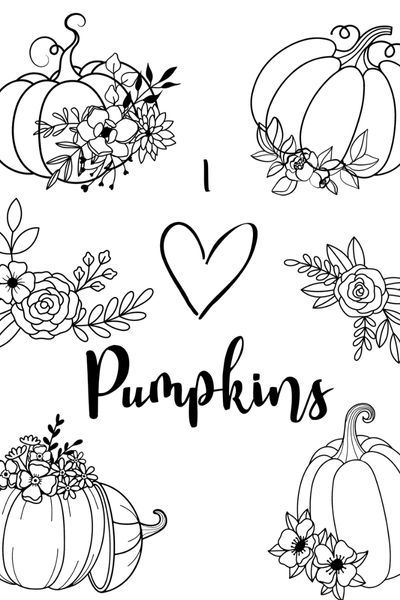
Offer an extension sheet where kids trace the outline first, then redraw with personal details. Or switch to a collaborative group page where each child adds a feature, such as a hat, a face, or texture in the pumpkin rind. These steps scaffold independence while keeping the same theme.
Conversation or Learning Prompts
Prompts deepen comprehension: What helps a pumpkin look round? Which colors make it look bright? Ask students to describe textures, count stems, or compare pumpkins of different sizes. Short, open-ended questions keep the activity inclusive and support early vocab and sentence-building.
Printing Tips
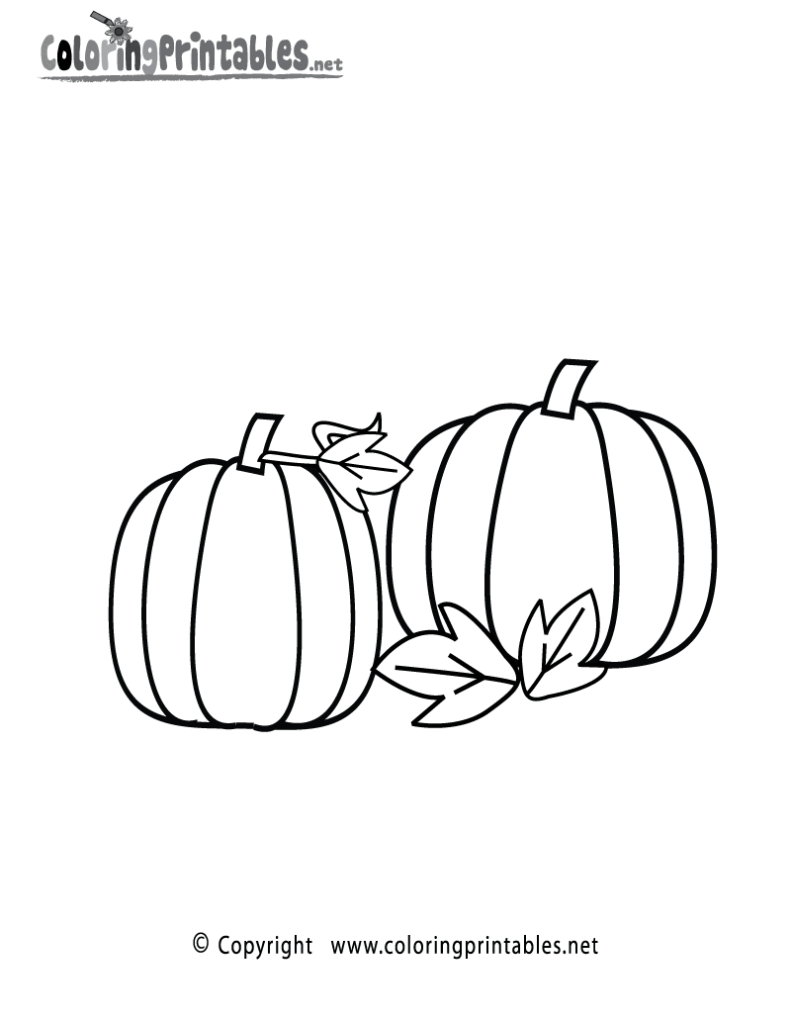
Practical printing tips help every setting—from home printers to library copiers. Use standard 8.5×11 inch paper, ensure the line art is crisp, and set scaling to 100% for each page. Test print one page to check line thickness with crayons, pencils, and markers.
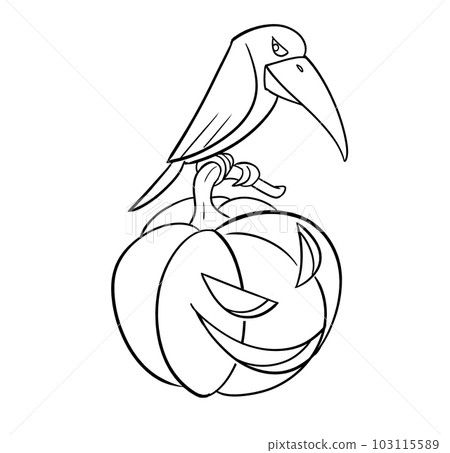
Common questions include: Is it toddler-friendly? A: Generally best for kindergarten and up. Can libraries use them? A: Yes for quiet time. What if the lines print faintly? A: Increase printer contrast. Should parents join? A: Modeling helps. Are these tied to curriculum? A: They support independent practice without claims. Final thought: keep sessions short and playful.