
This morning, during our short math routine, I pulled out a color by number multiplication printable from our shelf and set it beside the math blocks. My kids leaned in, curious, and the room quieted as I explained the simple color recipe. It felt like a tiny anchor in a noisy corridor of energy and chatter. The moment lingered.
Before, I dreaded the scramble that came with quick math drills. The pages piled up and transitions felt chaotic. But this printable gave us a center line: a simple grid, color cues, and a clear goal. The kids could choose colors, stay inside borders, and we could track progress at a glance. That shift did not erase chaos overnight, but it moved the energy into a line we could follow. The students felt a quick sense of ownership. We celebrated small wins with a quiet cheer.
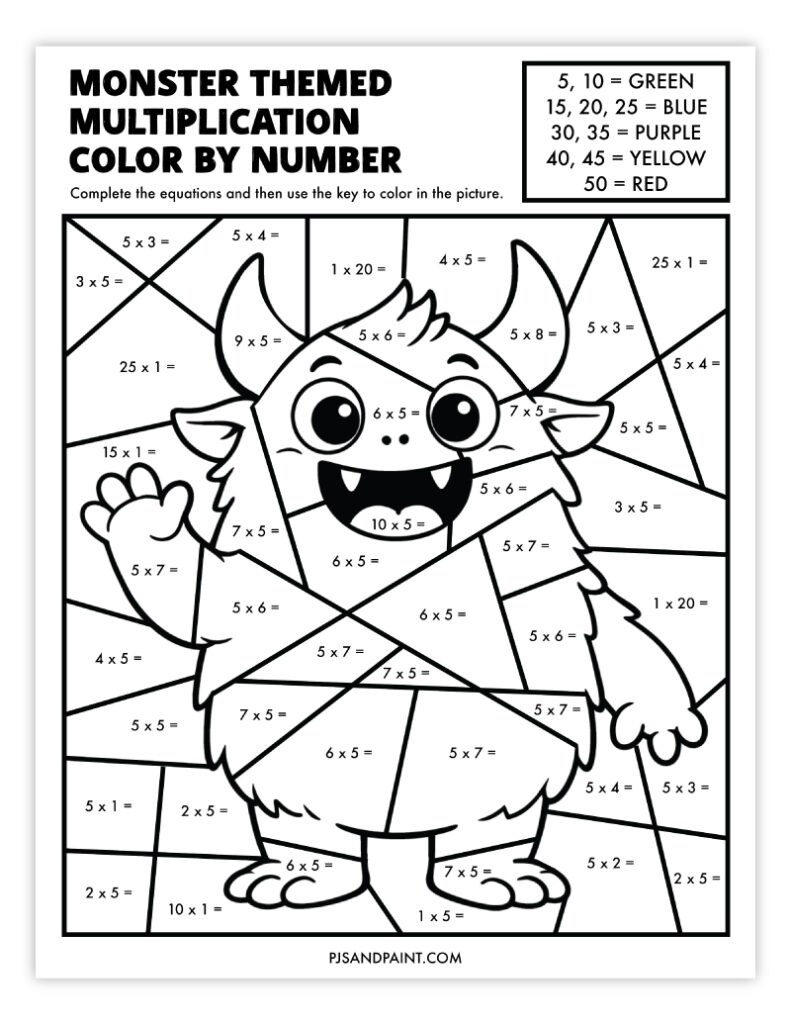
Choosing the right printable
Choosing the right printable means matching the task to the moment. On busy mornings we use a simpler grid with fewer problems and bigger color patches; after lunch we pull a slightly more challenging version with twisty reminders. I look for clean lines, generous margins, and a limit of four to six problems at a time so little hands stay focused. I also rotate the colors to avoid overstimulation and give permission to pick any color for any number if it helps focus.
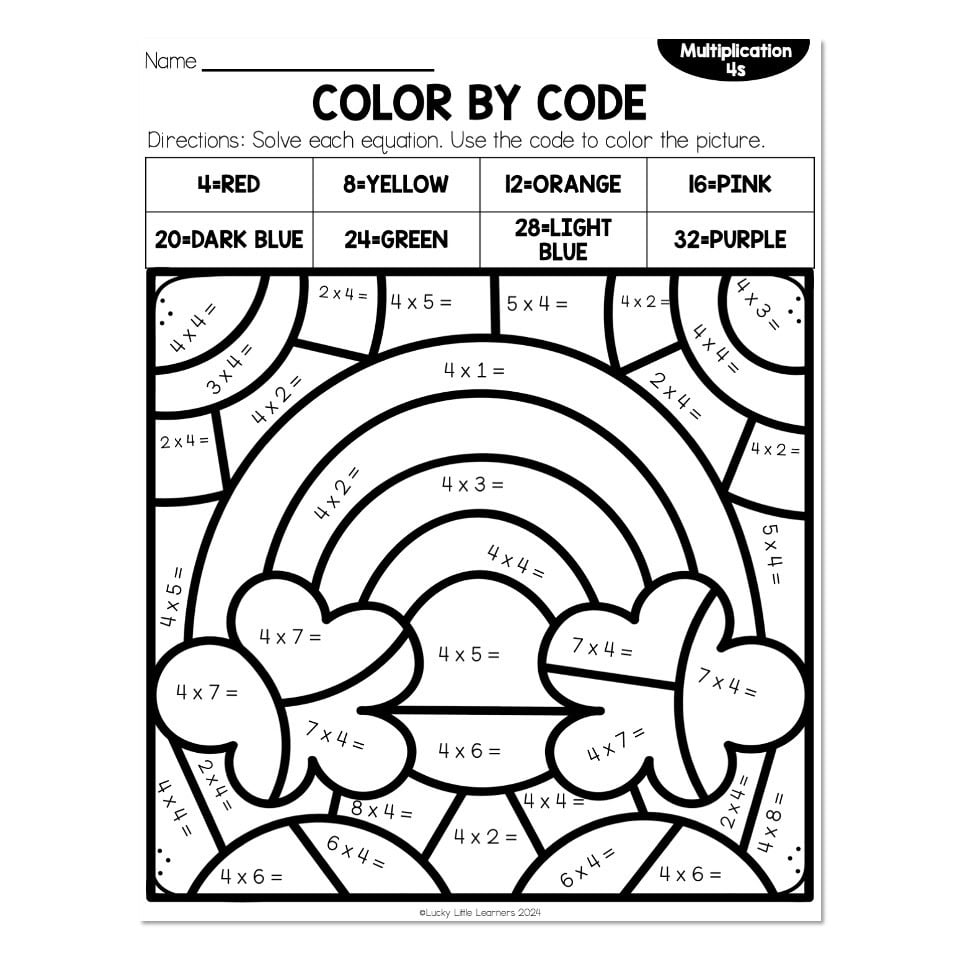
Another key is offering a quick model before students start. I show one row, color the results in with them, and narrate my thinking aloud. Then I hand out the sheets and let them work with a buddy, swapping ideas as needed. The routine becomes about cooperation as well as calculation. If a group finishes early, I offer a quick reflection: what moved your color choices, and what will you try next time.
Practical setup
Practical benefits show up across learners. A child who needs extra time can slow color choices without feeling left behind. ELL students pick up symbols and colors with less language pressure. The color act itself steadies the room, and kids often circle back to finish when confidence grows. I notice shy students begin to participate, and a formerly fidgety child sits with a partner and stays focused longer. The routine also creates a little daily data point we can share during conferences.
Common pitfalls
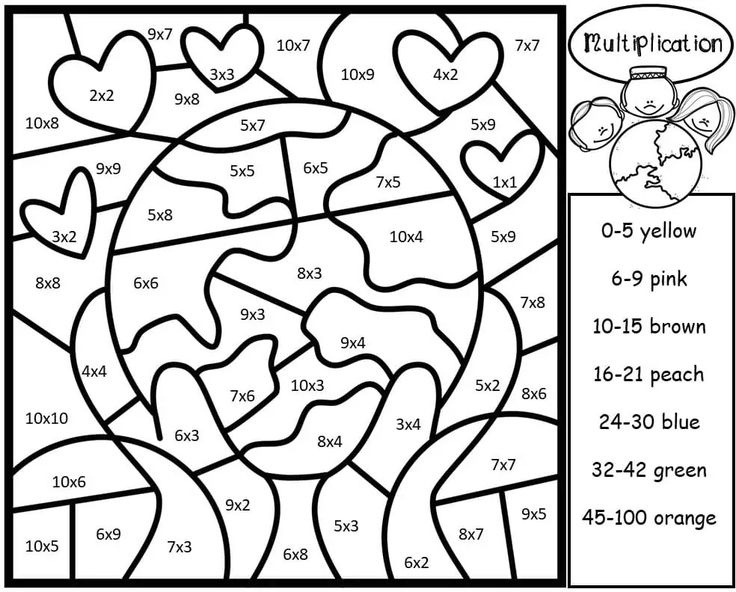
Common pitfalls include overcomplicating the sheet or using a version with too many colors. I keep a few spare copies and laminated reinforcements for reuse. If a child colors outside the lines, I let them simplify the numbers and focus on accuracy rather than perfection, adjusting expectations to the moment. Also, printing color can be a constraint, so we sometimes use bold patterns and high contrast cues to mimic color in grayscale.
Another adjustment I make is timing. We assign a seven minute window for the activity, but allow a short extension if a few kids need more time. We keep a quiet, supportive tone, jot a quick note about who needs extra practice, and plan a brief follow up during centers. We also create a small display on the board with color legends that stay up so students remember the rules and stay on task.
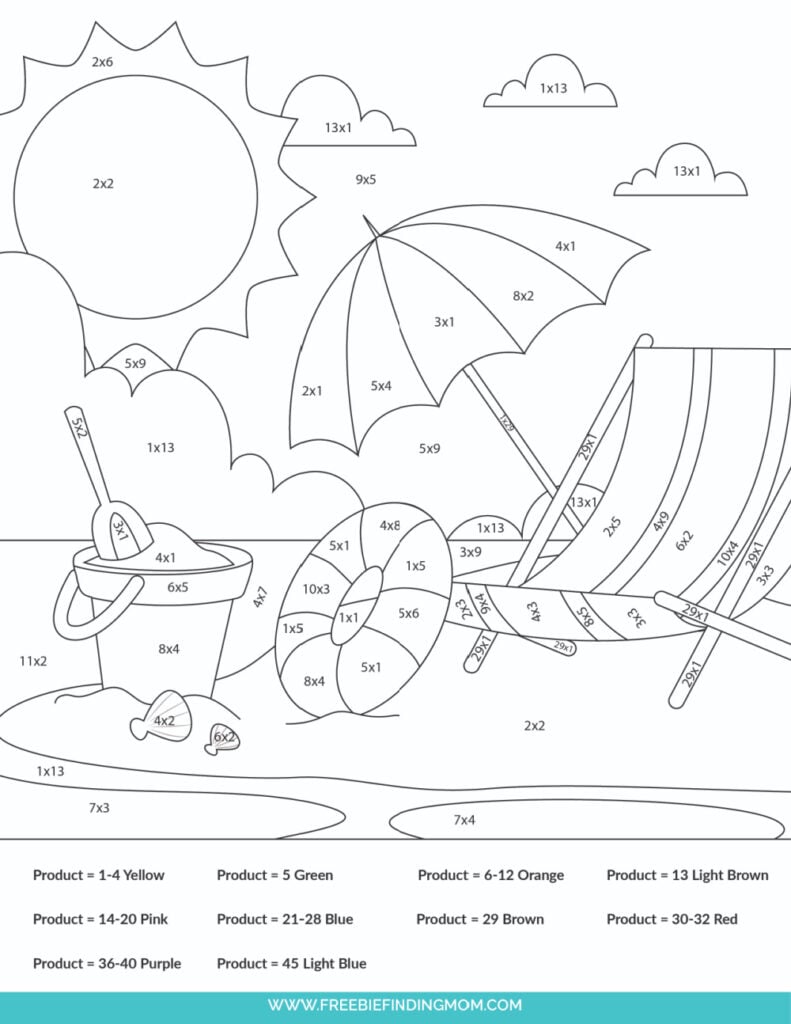
Across the day, I hear fewer whines about math and more quiet conversation about numbers and colors. It is not a silver bullet, but it is a reliable helper that I can hand to any math moment. The printable becomes a shared routine that grows with us, and I leave the room believing in small steps that accumulate into confidence, a true win with color by number multiplication printable.