
Teaching math means turning abstract ideas into hands-on skills students can measure and verify. A notebook that keeps grids aligned helps every lesson, from plotting coordinates to checking slopes. When students see lines and numbers align, accuracy rises and errors fade during classwork.
In my classroom, students practice plotting points, drawing coordinate grids, and checking slopes on a graph paper composition notebook to keep figures neat. Using grid paper, careful grid spacing, and consistent margins helps turn messy sketches into readable work. The habit builds confidence as students compare measured values with expected results, using printable grids to verify each step before moving on to the next problem set.
Grid size and scale
Q: How do you pick grid size for different tasks? A: Start with 5 mm squares for most algebra, geometry, and graphing, then switch to 1 cm for larger diagrams or long coordinate plots. The grid paper itself enforces scale, so students learn to compare slopes, intercepts, and areas without remeasuring every time. This discipline also helps with estimating coordinates quickly during quick-check quizzes. In practice, I keep a small laminated reference on my desk showing typical 5 mm and 1 cm conversions for common graphs.
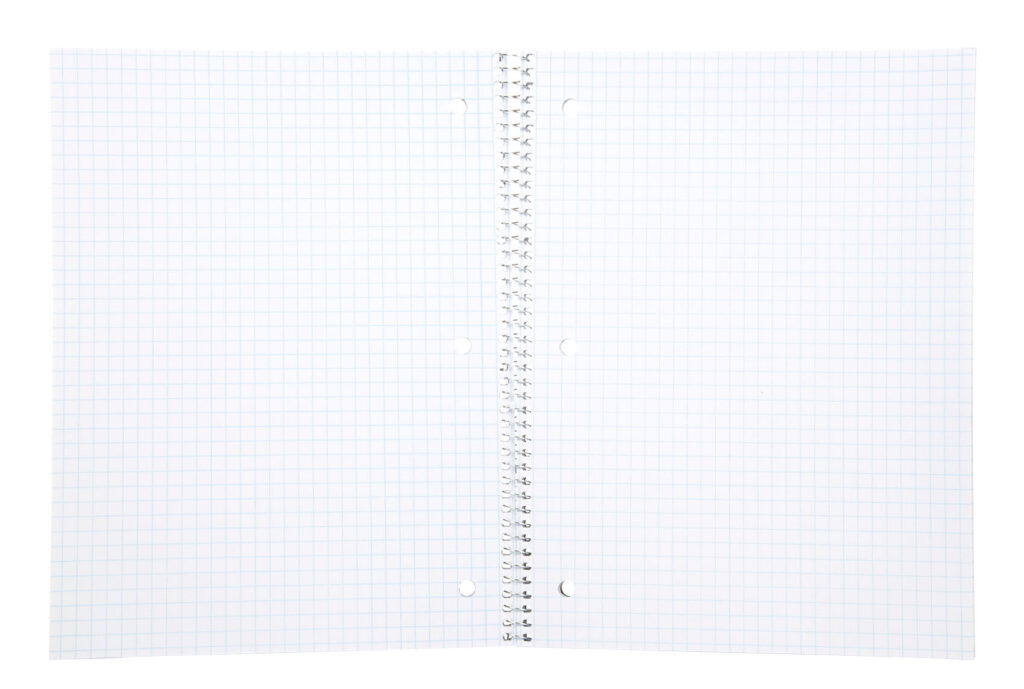
Q: Should I print at 100% scale or fit-to-page? A: Print at 100% to preserve square geometry; check printed page against a ruler and adjust margins if needed. If the page crops, switch to portrait orientation or use a larger paper size to maintain the intended grid spacing and keep printable grids usable for quizzes and notes. Keep a backup test page handy to verify alignment after any printer update. Also preview before printing in the browser.
Margins and layout
Q: How do margins affect accuracy in math work? A: Narrow margins help keep more grid on the page, reducing the chance of clipping problems during grading. Set margins around a quarter to a half inch and verify that the left and right edges align with the printer's printable area. If your school uses binders, account for hole punches and pencil marks near the margins that can shift measurements. Practice this in your print test to avoid drift during grading.
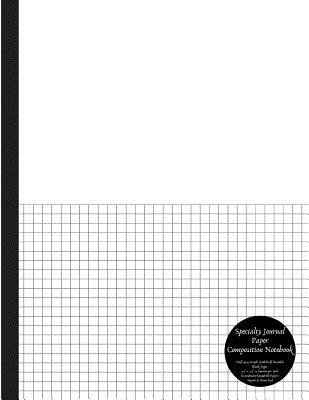
Q: What about paper size choices? A: Letter size is standard in U.S. classrooms; A4 is common abroad. Choose based on storage, binding, and how much of the grid you need visible at once. For portability, keep a consistent orientation and remember that grid paper in portrait shows tall charts well. If you need extra space, consider a larger sheet or binding that preserves margin integrity.
Printing tips and checks
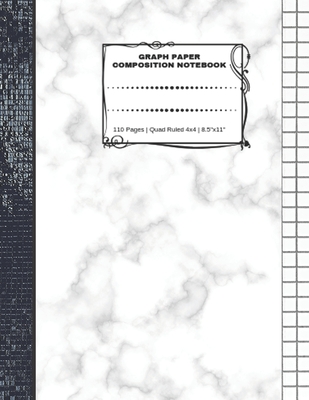
FAQ: Q1: How big should the grid be? A1: 5 mm squares are versatile for math practice. Q2: Which paper size is best? A2: Letter is typical in the U.S.; use A4 elsewhere. Q3: 100% scale or fit-to-page? A3: 100% scale; turn off fit-to-page. Q4: How to verify accuracy? A4: Check a square with a ruler and compare a sample length to the grid.
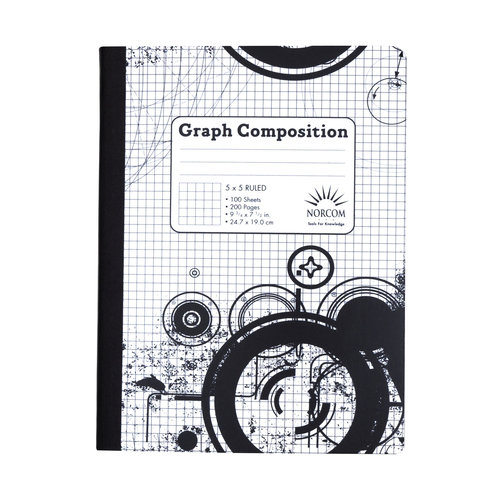
Conclusion: By planning grid size, margins, orientation, and printing scale ahead of assignments, you can save time and reduce frustration in math class. Test a quick print of a single page, measure a few squares with a ruler, and keep a consistent printable grid in your paper supply. The payoff is faster grading, clearer graphs, and steady student progress. Encourage students to compare their results against teacher keys. Revisit settings every term as printers and papers change.