
As an architecture mentor, I rely on simple tools to teach big ideas. A clean sheet of paper and a few pencils reveal how space and proportion behave. Sketching by hand helps you sense scale, test ideas quickly, and learn the value of accurate lines before moving to digital work.
Think of graph paper games as a constructive warm-up for architectural thinking. They train your eye for coordinate grids, margins, and scale while you experiment with simple forms. These exercises translate to real designs where every line must support structure and light. They also teach how constraints spark creativity, encourage careful measurement, and build habits you can carry from a pen sketch to a final model.
Grid basics
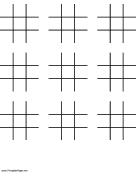
Begin with a simple square grid on standard graph paper. A common mistake is rushing to close shapes without checking proportions. Solution: pause to measure a baseline length and compare it to the overall grid. Another pitfall is neglecting margins, which makes layouts feel cramped; fix by marking a clear margin line and testing alternatives.
Next, choose a grid size that fits your project. If the grid spacing is too fine, quick sketches feel fragile; too coarse, and you lose detail. For beginners, start with 1 cm squares on letter or A4 paper and adjust scale as your ideas grow. This discipline saves revision time later. This habit keeps your scope aligned with real spaces. This approach reduces rework and clarifies priorities.
Start with small modules
Establish a consistent measurement habit. Draw with a fine lead pencil, check lengths with a ruler, and label key coordinates. When you move from coordinate grids to spatial ideas, consider using traceable margins to keep symmetry. In 3D thinking, translate a 2D grid into light and shadow by noting grid intersections along lines. Keep a small notebook for quick iterations.
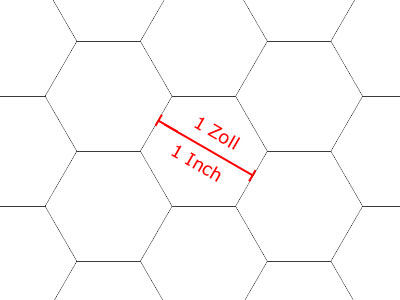
Another frequent misstep is misalignment when duplicating modules. Use a waypoint approach: draw one module, then reproduce it by counting squares rather than freehand copying. If you're drafting a plan that must match a specific dimension, print at 100% scale and measure the printed grid against your intended real world size. Resolve discrepancies by recalibrating printer settings and reprinting as needed.
Printing and scale
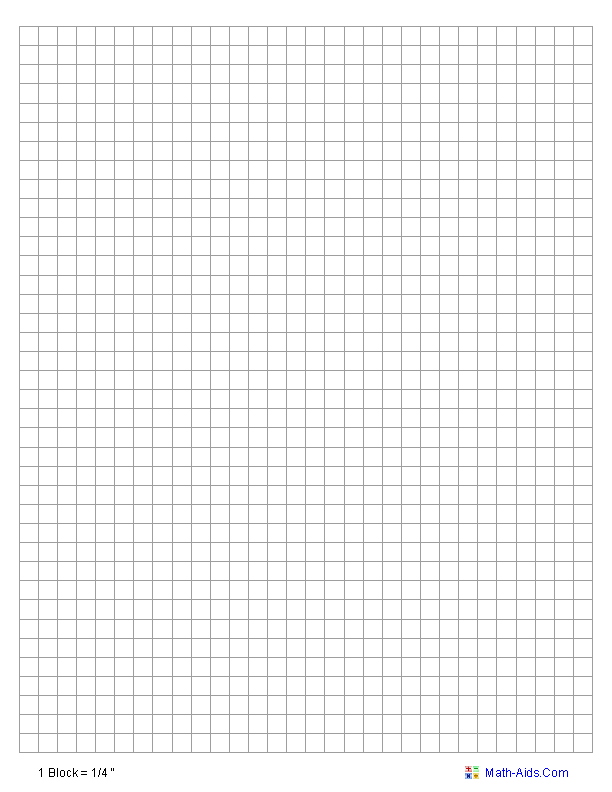
Printing and screen viewing both matter for accuracy. When reproducing a grid for a design review, set your device to actual size and disable fit to page options. In most programs, choose 100% scale and select a standard paper size such as US Letter or A4. Finally, verify by measuring a known square to confirm the grid matches your intended dimensions. Double check with a second tool if available.
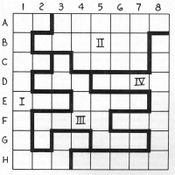
Putting it together, practice with simple coordinates, gradually adding complexity, and always check scale against a real object. The discipline of grid paper games supports a mindful design process where constraints become clarity rather than obstacles. As you gain confidence, you’ll translate the precision of the grid into thoughtful spaces, lighting, and spatial rhythm. Carry a small grid notebook to capture quick iterations and ideas on the go.