
As a practical math teacher, I know that accuracy in plotting, graphing, and measuring starts with the page you print. When students work with coordinates or functions, the grid must stay true to size. This article helps you pick grid paper options and printer settings that actually work in the classroom.
Getting reliable results depends on choosing the right setup from the start. The margins, paper size, and orientation all influence how the grid lines align with your measurements. In this guide, we’ll cover printing accuracy, scale, margins, and paper settings to help you produce consistent worksheets and quick sketches, including graph paper sizes that match your lesson goals.
Grid size choices
Start by deciding grid spacing. For beginners or diagram practice, 1/4 inch squares are easy to see and fit a full letter page with generous margins. For finer coordinate work or graphing small functions, 1/8 inch or 5 mm grids help. Consider the typical tasks students perform and the printer's ability to render small lines without jagged edges.
Margins and layout
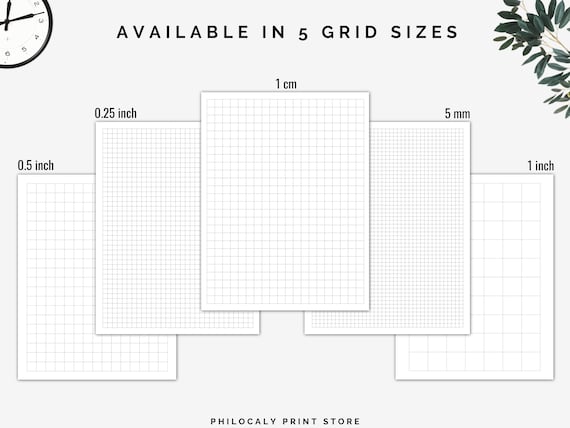
Paper size matters most on the printer's feed. Letter is standard in U.S. classrooms, while A4 is common elsewhere. If you need more drawing space, use legal size or switch to landscape orientation to widen margins. Remember that larger margins reduce printable grid area, which can distort scale if you skip calibration.
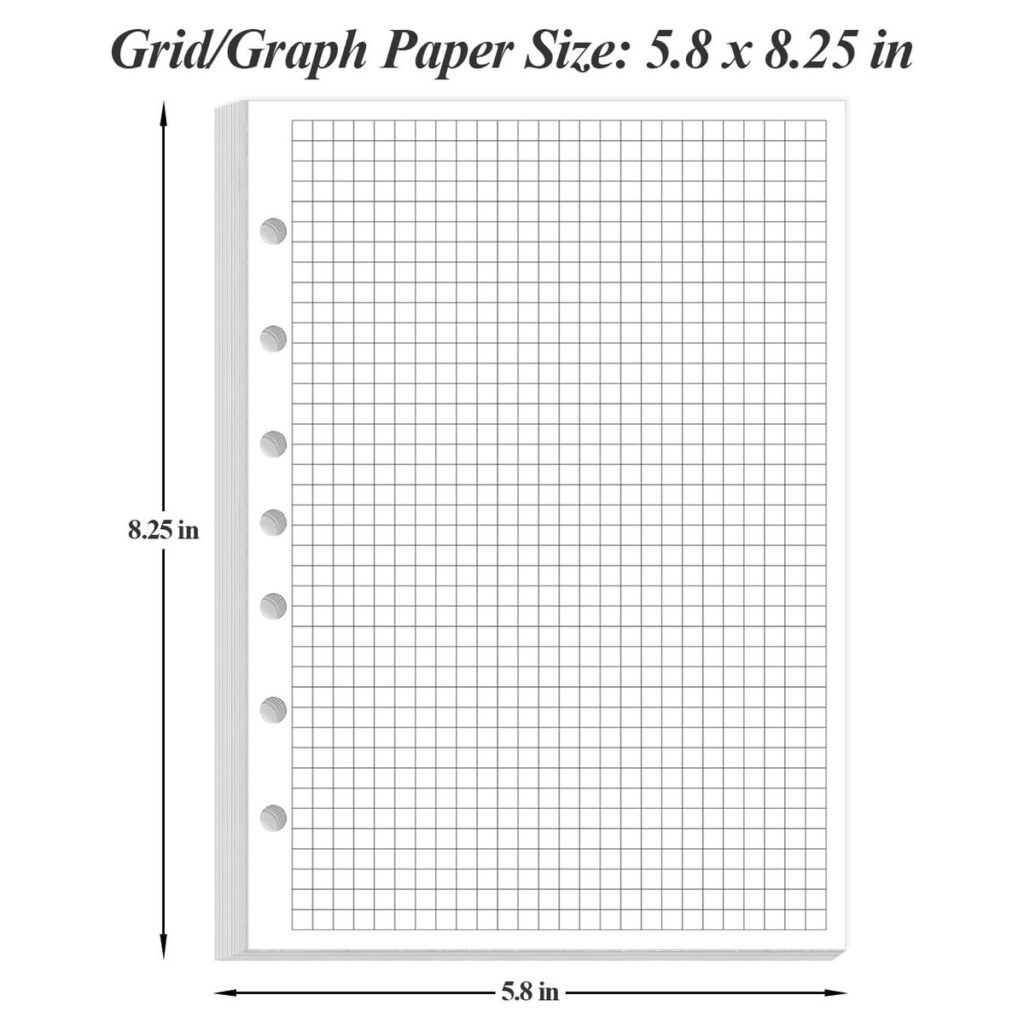
Orientation, scale, and margins work together. If you plan a wide coordinate plane, use landscape and set the print scale to actual size rather than fit to page. This helps preserve square shapes and grid alignment. Before you teach, print a quick sample and measure a few squares to confirm the lines stay square.
Printing tips and settings
Before you print, test with a simple page and a ruler. If your software supports it, print from a PDF or a print-friendly view to minimize browser scaling. Enable 'print at 100%' or 'actual size' and disable scaling options that crop lines. A quick measurement check with a known square confirms accuracy.
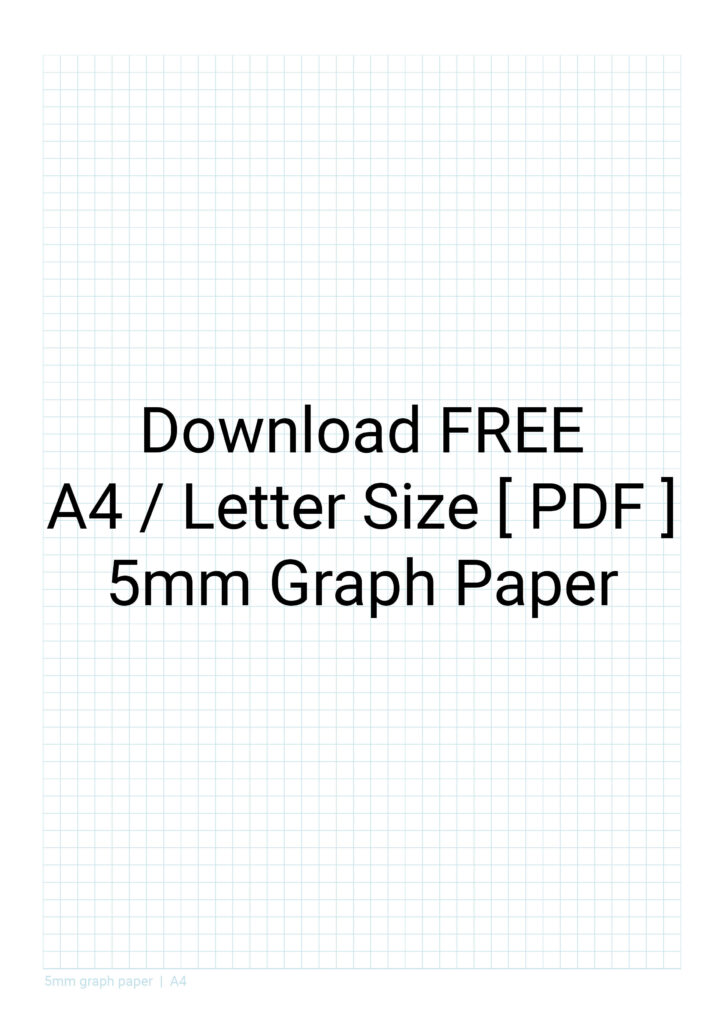
Q: How do I ensure 1:1 scale when printing? A: Print a test page with a known measurement and verify with a ruler, adjusting scale if needed. Q: What paper size works best for classroom worksheets? A: Start with Letter size and test margins; resize if you need more drawing area. Q: Do margins affect accuracy? A: Yes, larger margins can waste printable space and shift the grid if the printer trims edges.
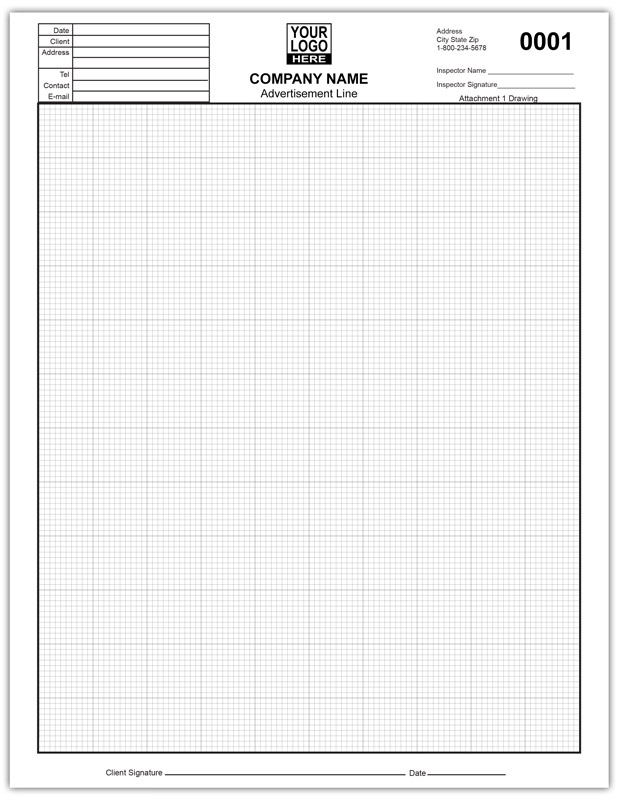
Practical takeaways: always plan grid size, paper size, and margins before printing; test with a quick calibration page; use actual size scaling and landscape orientation when needed; and don't assume the browser or printer will do it for you. With careful setup, grid paper stays reliable for plotting, teaching, and quick problem-solving in class.