
As an art teacher, I rely on grid paper for lessons, demos, and studio work. When students practice proportion and alignment, the right printable options matter. This post covers practical tips for using printable graph paper 1/4 inch effectively.
In classrooms, printable grids come in sizes like letter and A4, and you can choose 1/4 inch, 1/2 inch, or even finer spacing depending on the project. We compare coordinate grids for plotting points with square grids for even layouts and clean margins. The goal is consistency, so students can translate ideas into measurements without second-guessing. For younger learners, a light grid guides lines without overwhelming the page and helps them focus on proportion and placement.
Grid paper basics
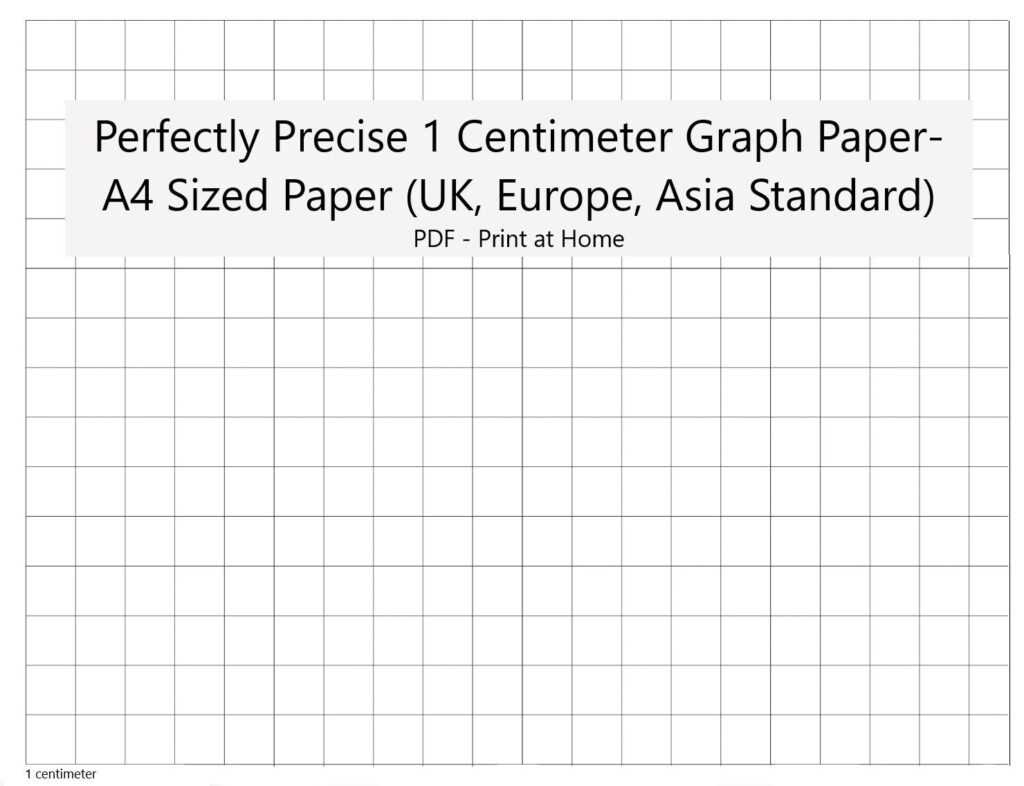
Graph paper and grid paper are terms often used interchangeably, but the details matter. Grid spacing determines how tightly your marks align, and margins protect content from edge trimming. A 1/4 inch grid gives precise placement for small drawings and technical thumbnails, while a 1/2 inch grid frees the eye for broader layouts. Coordinate grids are great for plotting points, while square grids support even composition. In class, we practice aligning letters and shapes to feel the grid.
When deciding between paper sizes, think about your classroom workflow and display needs. Letter-size grids print cleanly for handouts, while larger posters often benefit from A3 or tabloid formats. Orientation matters: portrait helps with step-by-step drawing sheets, whereas landscape supports panoramic layouts and bigger thumbnails. Finally, print scale matters—starting at 100 percent ensures each square remains true to size. For worksheets that require alignment across several elements, a strong grid helps maintain rhythm.
Printing tips and accuracy
Q: How do I choose grid size for a project? A: For fine linework, start with 1/4 inch squares and test on a sample page. Q: Paper size and orientation? A: Letter size is standard; portrait works for quick sketches, landscape for wider layouts. Q: How can I ensure print scale is accurate? A: Print a small test page, measure a few squares with a ruler, and adjust the scale.
Q: What’s the difference between graph paper and grid paper? A: Graph or coordinate grids often include axes or labeled margins, while plain grid paper is a neutral planning backdrop. Q: How many margins should I leave? A: Leave about 0.25 to 0.5 inches as margins to prevent important marks from being trimmed. Q: Can I customize the scale and margins in a printable file? A: Yes; you can adjust scale and margins in the page setup before printing.
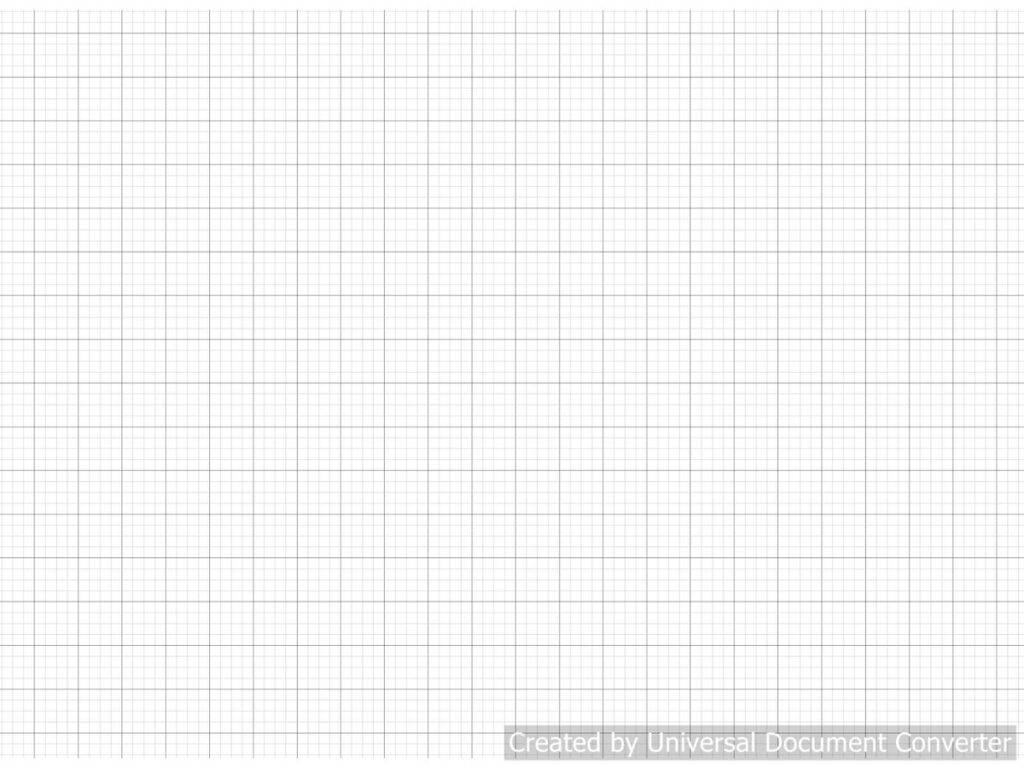
With a dependable grid in hand, students see how ideas translate from concept to canvas with clarity. Start with a 1/4 inch grid, print a test page, and adjust scale or margins to fit the project. Keep orientation consistent with the work, and use margins to frame notes and sketches. A well-chosen printable grid saves time and keeps art-making focused and enjoyable.