As an art teacher, I start every project by laying out a reliable grid. The right grid paper turns lines into tools for proportion, balance, and rhythm, helping students translate ideas into clear, measurable shapes rather than fuzzy sketches.
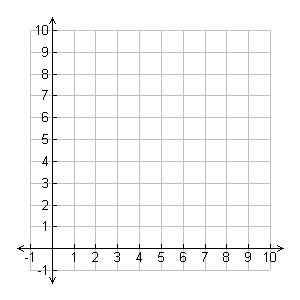
Using graph paper with numbers in lessons helps students map compositions, compare scales, and practice accurate spacing. The numbers along the edges provide reference points that demystify perspective. When a learner can see coordinates and margins at a glance, they gain confidence, and mistakes become teachable moments rather than mystery mistakes.
Grid size and options
Grid paper comes in several square sizes such as 1/4 inch, 1/2 inch, and 5 millimeters. Smaller squares are great for detailed drawing, drafting patterns, or careful studies in figure drawing. Larger squares help plan murals, layout pages, or map out designs before committing ink. The choice depends on your project, your printer, and how much space your student has on the page.
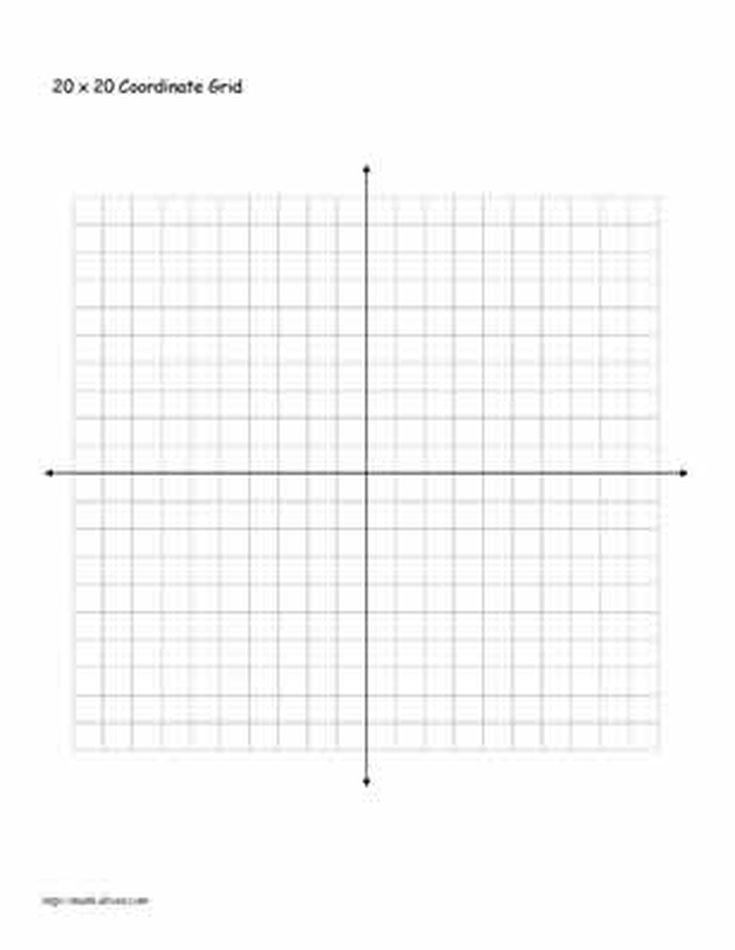
Compare coordinate grids with plain square grids. A coordinate grid shows axis lines and numbers making it easy to map a composition to a grid, which is useful for teaching symmetry and rhythm. A plain grid emphasizes spacing and proportions without distracting labels. As a teacher, I let students start with a simple square grid, then graduate to a coordinate grid as they work on more complex layouts.
Printing and measuring tips
Practical tips for at home or in a classroom include choosing a common paper size such as letter or A4, setting orientation to portrait for notebooks, and printing scale to 100 percent to avoid distortion. Before final projects, print a test page and measure with a ruler to verify that one square matches the intended unit. If margins cut off lines, adjust printer margins or page fit settings and reprint.
In class use, grid paper with numbers helps students visualize patterns and practice layout tasks. For best results, pair grids with colored pens, eraseable pencils, and a light leader line that guides the eye. FAQ 1 What grid size is best for beginners A 1/4 inch or 5 mm grid. 2 Should I print at 100 percent Yes. 3 How do margins affect accuracy Keep margins intact 4 Can grids be reused Yes with care.
The practical takeaway is to choose a grid size that matches the project and the student, print carefully, and use margins as a guide for accuracy. With practice, the grid becomes a friendly companion that translates ideas into measured art, from thumbnail sketches to polished compositions.