
Teaching practical math means making tools count in real work. When students model concepts, I rely on reliable prints and sturdy paper. My go-to starter is 10×10 graph paper, because it highlights coordinates and slopes without guesswork.
Plan the print first
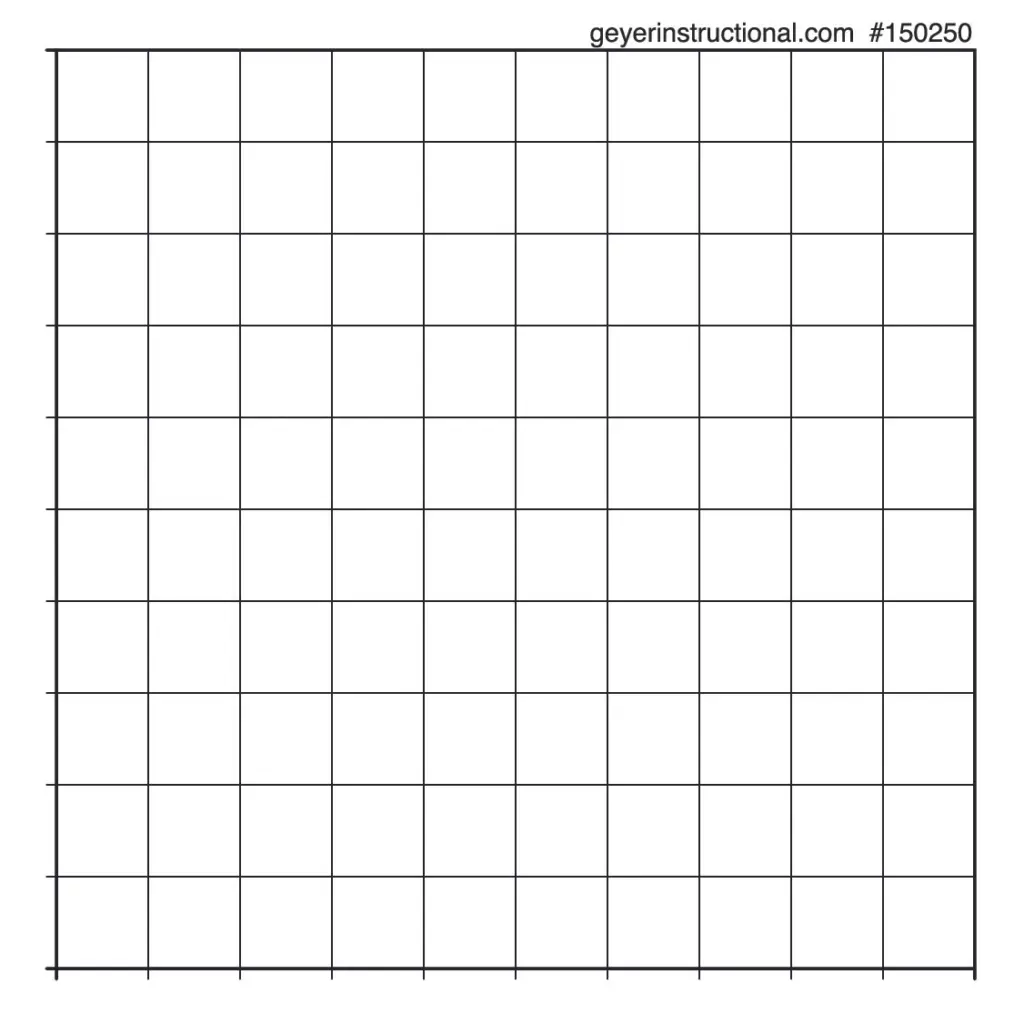
Choosing the right grid size changes how students work and how clearly they read measurements. Smaller squares like 5 mm reduce visual clutter for basic multiplication, while larger 1 cm squares help visualize unit lengths in geometry. The choice also ties to scale when you print and to margins on the page. Treat grid paper as a working surface that should fit the task, not force the page.
Layout and margins
Q: How should I choose the print scale for grid paper? A: Use the printer or browser preview to keep squares true; start with 100% and test a sample. This avoids stretched or squashed cells and preserves square grids. Q: Which orientation is best? A: Portrait is common, but landscape helps when you place multiple problems or graphs side by side on the same page.
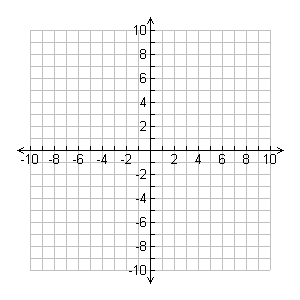
Q: How do margins affect accuracy and usability? A: Leave generous margins so you can bind or staple sheets without losing grid lines, and to avoid clipping critical borders. Use standard letter size (8.5 by 11 inches) if available, or A4 if you're in the metric world. For precise work, choose printable grids with consistent border spacing and avoid printers that crop edges.
By now you have a practical framework for choosing grid size, paper size, and print settings. Remember to confirm print scale with a quick test and to leave margins that support handouts or binder use. When the page is predictable, students can focus on solving problems instead of fighting the layout.
FAQ: How many squares per page should a typical worksheet use? Use as many as fit cleanly without crowding. Can I print on standard Letter or A4? Yes. Should I always use 100% scale? Start there and test; adjust if needed. How do I verify accuracy after printing? Measure several squares with a ruler to check consistency.