
As an art teacher, I rely on structured tools to teach proportion and composition. A tidy grid grounds students as they explore perspective, scale, and spatial relationships. With calm, measured lines, drawing shifts from guesswork to thoughtful decision making, giving young artists a reliable way to translate ideas from imagination to paper.
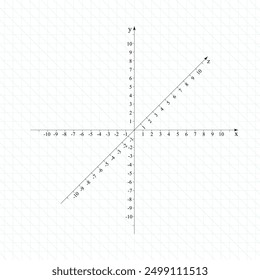
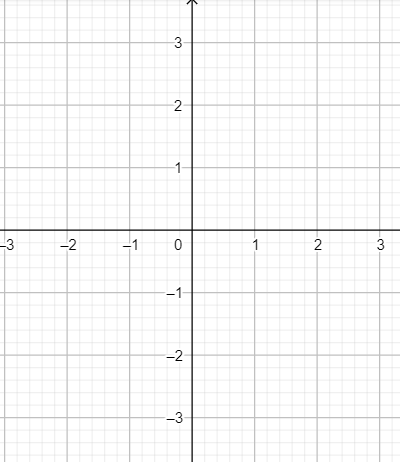
Using rectangular coordinate graph paper lets students plot points and trace shapes with confidence. The grid turns messy ideas into coordinates, helping learners compare scale, margins, and alignment. When we measure on a grid, students see how a small change in placement reshapes a drawing, which is a powerful lesson for composition.
Grid size choices
Begin with larger squares for broad planning and smaller squares for detail. A 1/4 inch grid strikes a balance for figure studies and complex compositions, while 1/2 inch grids can speed up rough sketches and layout decisions. When you compare the same subject on different scales, you notice changes in texture, rhythm, edge quality, and proportion, which helps students refine their choices.
Paper size and orientation
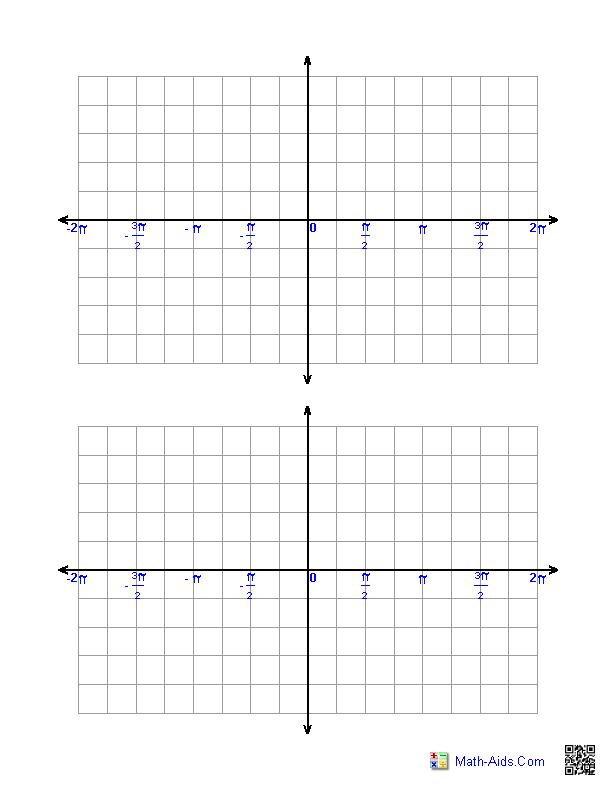
Choose a paper size that fits your classroom setup and project goals. Letter or A4 boards work great for warm-ups and quick studies; portrait orientation helps with tall subjects, landscape can better frame wide scenes. Mind the margins: generous margins reduce confusion near the edges, while edge-to-edge layouts can be used for large diagrams that students annotate and compare.
Hands-on Practice
FAQ: What grid size should I start with for figure drawing—start with 1/4 inch squares to balance detail and visibility. FAQ: How do I print accurately—set the print scale to 100 percent and verify with a ruler. FAQ: Should I leave margins on my paper—yes, margins help keep your drawing centered and give space for notes. FAQ: Can I reuse grids for different projects—yes, rotate or tint layers to explore composition.
Label axes or key steps on your printable grids to guide students through drawing exercises. Use color to differentiate lines or to separate grid layers, and encourage students to annotate margins with notes about composition. Consider laminating a few grids for reuse with dry-erase markers, which keeps your studio efficient and environmentally friendly while supporting iterative practice.
Whether you teach beginner still life, architectural studies, or abstract composition, grid paper offers clarity without narrowing ideas. The practical choices of grid size, paper orientation, and printing scale save time and reduce frustration. When students can measure confidently and compute relationships quickly, their creative decisions feel purposeful and joyful.