
As a homeschooling parent, I’ve found that architecture sketches take shape when you start on grid paper. The habit of drawing to scale helps kids see proportion and space. For a quick warm‑up, we translate a small room into 1 unit in graph paper to lock in lines and practice clean measurements.
Grid paper acts like training wheels for young designers. The grid keeps freehand lines from drifting and makes it easy to compare a 10 by 12 foot room to a 12 by 12 foot square. In our lessons we discuss coordinate grids, square grids, and measurement grids as simple tools that build confidence before we introduce more complex shapes.
Why grid paper matters
When sketching a small house plan, I start with a clear grid spacing choice. A common first step is to set 1 square per 1 foot or 1 square per 0.5 meters, depending on paper size. This makes walls, doors, and windows align consistently and helps students see whether spaces feel comfortable and functional.
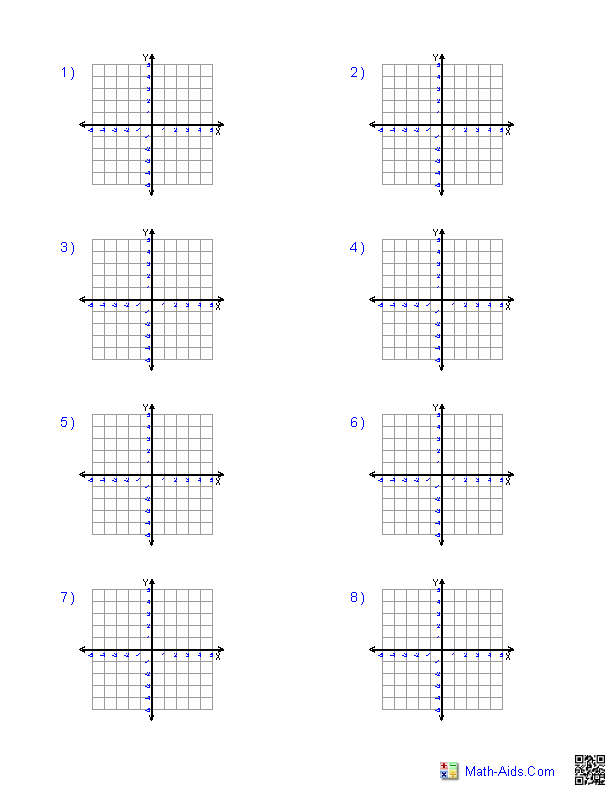
For proportional drawings, I emphasize keeping a constant scale across the whole drawing. If the plan is 20 feet wide by 15 feet deep, we map it to an 8.5 by 11 inch page at 1/4 inch = 1 foot. Students measure, place a few furniture sketches, and compare proportions until the layout looks balanced.
Practical workflow
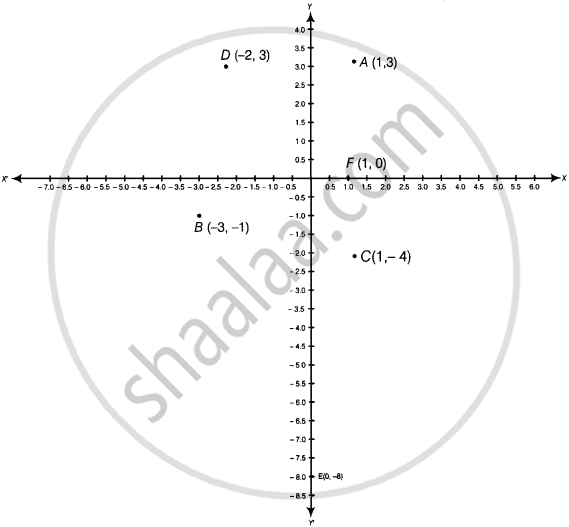
Printing scale and paper orientation matter. When you print a floor plan, choose a scale that fits the page with margins intact. For beginners, portrait orientation on letter or A4 paper often works best, while landscape helps long, rectangular layouts. Check printer settings to ensure no unexpected scaling occurs and that the print matches the intended grid spacing.
Beyond scale, mind the margins and edge offsets. Leave a margin at least 0.25 inches so lines don’t get cropped. If you don’t have a printable grids sheet, you can still lay out the grid on plain paper by lightly drawing repeated squares with a ruler. Then verify key distances with a ruler or grid reference.
FAQ
Q: How do I choose grid size? A: Start with the room size and pick a scale that fits your paper and leaves room for labels. Q: What paper size works best for beginners? A: Letter or A4 is practical and easy to scan later. Q: How can I ensure accuracy when printing? A: Print a test page and measure a known distance.
Q: Should I use portrait or landscape mode? A: Landscape is great for long layouts; Q: How do I maintain proportions across drawings? A: Use one fixed scale and the same grid spacing for every sheet. Q: Any quick organization tips? A: Label rooms, keep furniture notes separate, and save a master grid for future projects. Bottom line: a steady grid transforms rough drafts into useful, repeatable plans.