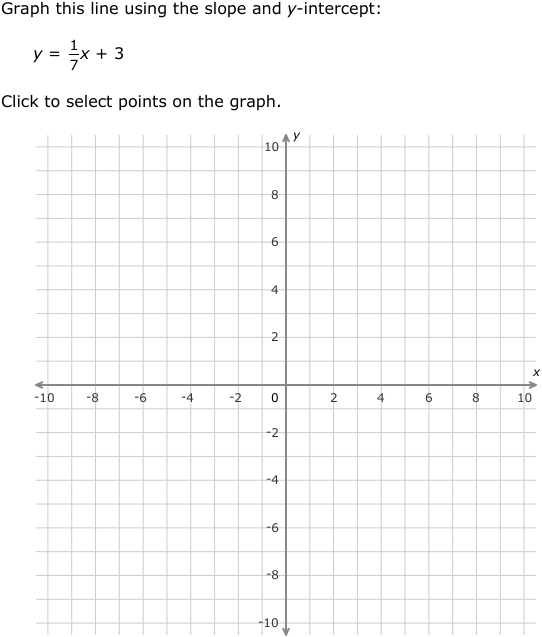
As a homeschool parent, architecture sketches come alive when students map ideas on grid paper. From room layouts to proportional models, the coordinate grid clarifies relationships. I often introduce linear equation graph paper as a practical, hands-on tool for scale thinking.
Consider a use-case: sketching a small study and an adjoining closet. The first step is choosing a paper size and a grid spacing that feels comfortable. We label walls, doors, and windows, then write the actual measurements along the margins. The grid helps students keep lines straight and angles consistent as they transfer dimensions from a real space to paper.
Use-case: Architecture sketches
To scale a floor plan, we choose a clear rule: grid spacing equals scale. A 1/4 inch grid on letter paper often represents one foot, while a 1/2 inch grid fits larger spaces. Students lay out exterior walls, then add doors and windows, keeping margins visible for labels. We compare with a model or photo and adjust until proportions look right.
Proportional drawing extends to elevations and sections. We teach students to measure vertical relationships with the same grid so heights stay consistent as walls rise and rooms gain depth. We label the scale along the edge, keep a small ruler handy, and reinforce that every line should land on a grid line. If a sketch starts to drift, a quick redraw keeps proportion intact.
Grid options
Q: What grid size works for quick architectural sketches? A: A 1/4 inch grid on letter-sized paper is a solid starting point for floor plans around a single room. Q: Do I need margins or borders? A: Yes, keeping about 1 inch of margin helps with labels and prevents ink from crowding lines. Q: Should I use landscape or portrait orientation for floor plans? A: Landscape is often better for horizontal layouts, while portrait can suit elevations.
Q: How can I ensure accuracy when transferring measurements to the grid? A: Confirm the scale first, measure twice, and use a ruler with clear markings. Q: Is printable grid paper preferable to drawing freehand? A: Printable grids offer consistency, but print at the target size and verify margins before drawing. Q: How do I handle scaling for proportional drawings? A: Use a simple ratio like 1:50 and label the scale on the plan so future adjustments stay consistent.
With these steps, graph paper becomes a reliable partner in a homeschool design studio. Start small, build routines, and invite your student to compare plans against real measurements to build confidence in proportion. Remember to choose a grid size and paper orientation that match the project, print at the correct scale, and keep margins available for notes. When you loop back to a completed sketch, you’ll see how a simple coordinate grid supports clearer, more intentional architectural thinking.