
As a homeschooling parent, I set up a reliable workspace for my kids to sketch buildings. When accuracy matters, I reach for dot graph paper because the light dot grid guides lines without crowding the page. It helps ideas become proportional drawings we can measure and compare.
Without overwhelming visuals, graph paper gives kids a reliable framework. It teaches them to translate imagination into straight lines, right angles, and proportion. In our schedule, architecture lessons start with quick warmups, then move to elevations, simple floor plans, and scaled diagrams, so learning feels structured and achievable.
Architecture sketch use-cases
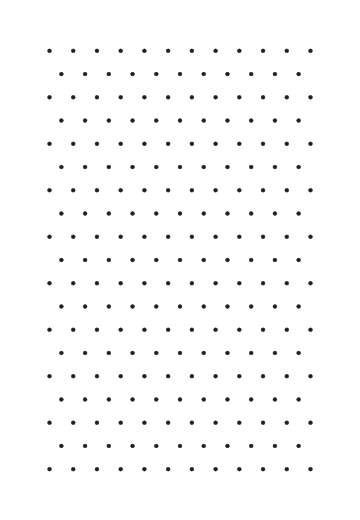
An architectural sketch on grid paper becomes a narrative drawing: you place walls, doors, and window openings by counting squares, not guesswork. Student projects can begin with a single wall outline drawn at scale, then layers added for materials and textures. The grid helps maintain verticals and horizontals, producing a believable representation even for beginners.
Floor plans benefit from a measured approach: assign a scale, mark rooms as rectangles, and use grid intersections to check corridor widths and door clearances. The printable grid aids spacing between furniture and walls, so a layout can be evaluated for flow before any drafting begins on bigger paper.
Grid size and scale
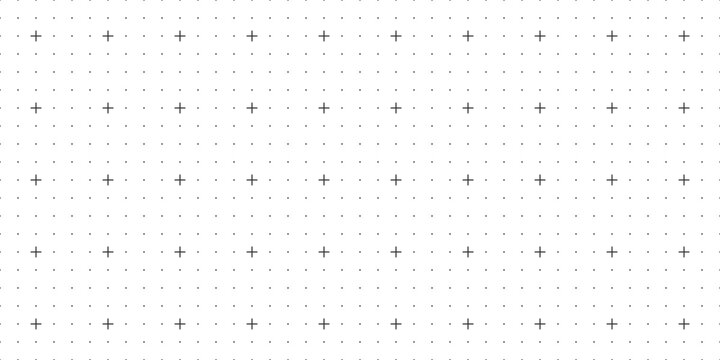
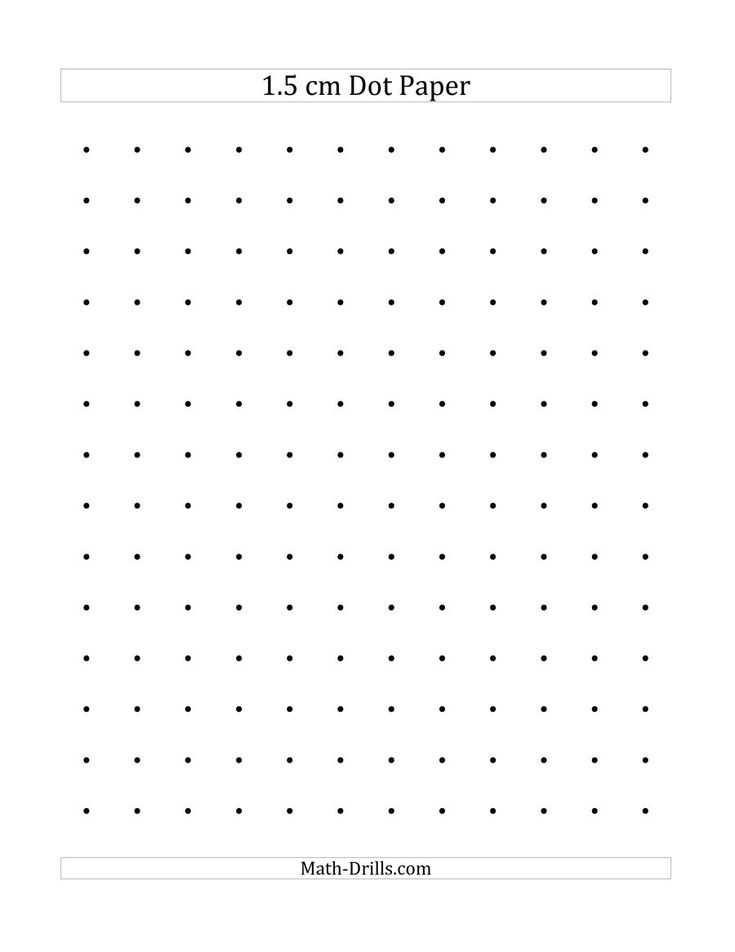
Choosing grid size means balancing detail with readability. Larger squares such as 1/4 inch work well for rough site plans and quick elevations, while smaller squares such as 1/8 inch or 5 mm help with precise measurements and furniture layouts. For homeschool groups, start with 1/4 inch to learn scale, then try 1/8 inch for tighter rooms.
Paper size matters: Letter and A4 are common at home, but wider layouts fit better on tabloid or 11×17. Landscape orientation can give more horizontal room for floor plans. When printing, avoid fit-to-page; print at 100 percent scale and verify by measuring a known square. If you are unsure, print a test page and measure with a ruler.
Practical accuracy tips
Before you start, decide a scale such as 1:100 or 1/4 inch equals one foot. Then choose a grid size that matches that scale. Set your printer or browser to 100 percent and disable any margins or page-fitting options. Use a ruler to check a few squares against real measurements, and keep margins consistent so the drawing remains exact.
Frequently asked questions
Q: What grid size works best for beginners? A: Start with 1/4 inch squares; they offer enough detail without crowding the page. Q: Should I print on Letter or A4? A: Choose the size your printer handles comfortably and maintain the scale. Q: How do I check scale quickly? A: Mark a 1-foot (or 1-meter) segment on the drawing and measure it with a ruler to confirm accuracy. Q: How can I keep margins consistent? A: Leave uniform borders and print at 100 percent scale, then trim if needed.
With the right grid, homeschool architecture projects stay calm and constructive. Dot-level precision becomes a shared goal rather than a solo struggle, and students learn to check their work against real measurements. By treating grid paper as a drafting partner, you can guide your child through sketches, floor plans, and proportional drawings that build confidence and spatial thinking.