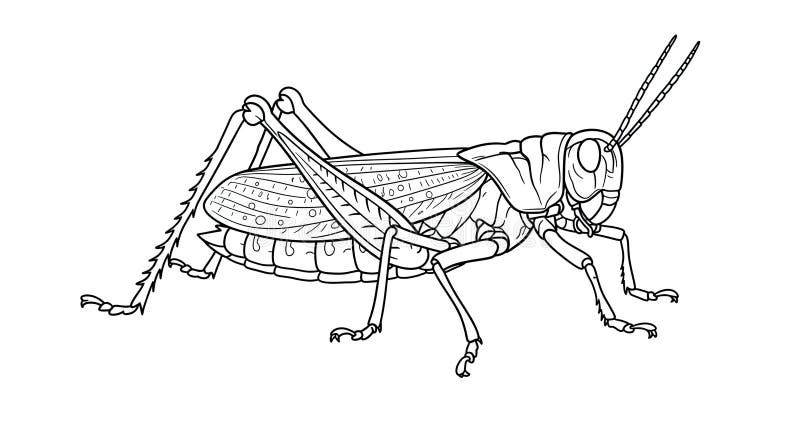
From years of museum programming, I know a simple coloring activity can open doors to observation and vocabulary. A grasshopper coloring page offers a safe, age-appropriate entry to insect anatomy and habitat ideas, especially when paired with brief discussion prompts.
This piece invites preschoolers to begin with a basic line drawing, practicing grip and hand-eye coordination as they color. It also provides introductory words for color and body parts, like leg, antenna, and wing. The activity is most effective when teachers or parents keep the conversation light and exploratory. The goal is curiosity, not perfection, and to make a calm doorway into science talk.
The Easy Starting Point
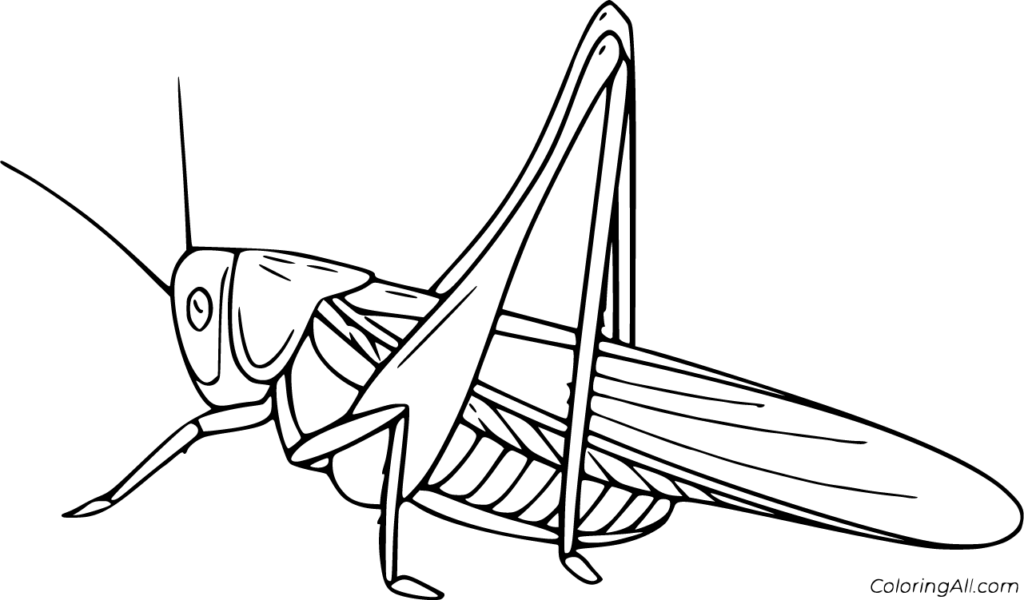
Begin with a simple line drawing of a grasshopper, with large shapes and minimal detail. Encourage children to name colors as they apply them and talk about basic body parts—head, thorax, abdomen—and where the legs bend. Choose a coloring printable with crisp outlines and generous white space to support pencil control. Offer a selection of crayons or wide markers to let children experiment with pressure.
As a guide for caregivers, select pages with bold outlines for younger preschoolers and more open space for older ones who can handle a bit more detail. Provide a simple color chart or story cue to help them explain their choices. Remember to model steady strokes and celebrate small wins in concentration. If a page feels crowded, switch to a simpler shape or reduce the image to a single grasshopper scene.
What Children Can Do With These Pages
These pages support fine motor development and growing science talk. Children can practice grip and controlled coloring, name colors, count spots, and compare the grasshopper to other insects. They can imitate movement by drawing tiny arrows to indicate hopping, or retell a tiny story about the grasshopper's day. The activity can become a bridge to simple math ideas—one grasshopper, two leaves, three insects nearby.
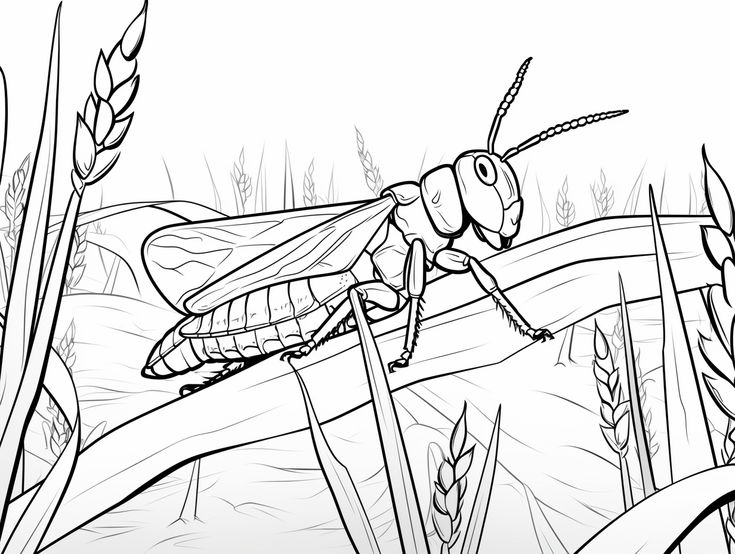
Follow-up activities extend the learning: pair coloring with a quick nature walk, a matching game with insect silhouettes, or a read-aloud about metamorphosis. Create a small vocabulary wall labeling parts (head, antennae, legs) and invite children to add their own labels. For families and classrooms, this turns a coloring page into a mini science center.
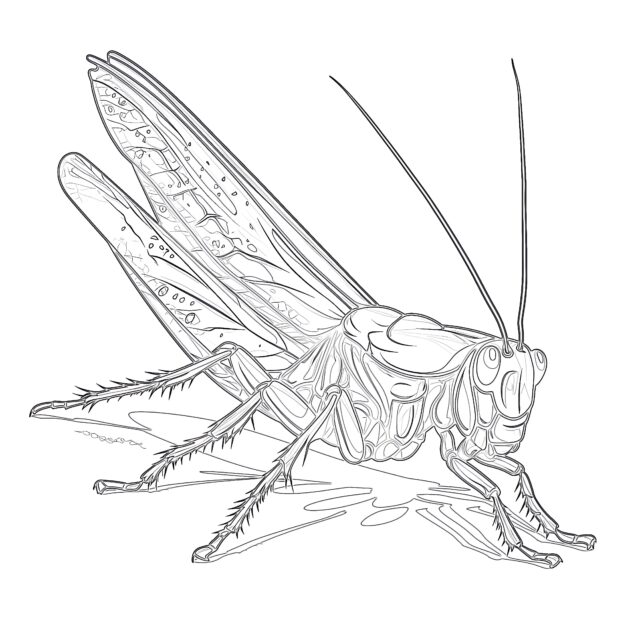
Printing and Materials: printing on sturdy white paper, using page-sized scale to keep outlines clear, and choosing thick crayons or markers to reduce bleed. If you laminate the page, dry-erase markers can extend reuse, especially in libraries or classrooms. This approach also invites ideas beyond coloring, like labeling body parts or counting legs, turning the activity into a tiny exploration station.