
As a lifelong stationery nerd, I love the ritual of laying out new paper and pens. This weekend I hunted for a printable target that would anchor our learning games without turning the dining room into a circus. It felt like choosing a tool, not just filling a page.
During a noisy afternoon, my kids wandered through their math worksheets, pencils rolling, and the clock ticking loud, while I watched the chaos creep into our dining room. I needed a way to redirect attention without turning learning into a drill sergeant routine, something that felt playful yet productive. A flexible target sheet seemed promising: a colorful grid with clear zones for correct answers, mistakes, time blocks, and gentle feedback. The idea was practical and simple, and I hoped a simple choice could make a real difference if it stuck.
Right format matters
Again and again I compared formats: a classic bullseye for aim-and-grin games, a grid for quick math checks, and a lines-and-boxes sheet meant for handwriting practice. The consensus in our house was that simplicity wins with younger kids, while a little color coding helps older learners stay oriented, so I imagined keeping the margins generous and the numbers bold. I found that the right balance of space and contrast can make a routine feel less like busywork and more like a game.
Eventually I realized the key was tailoring the target to the moment rather than chasing a one-size-fits-all solution. For quiet, focused work at home, a single, clean bullseye with a timer felt calm and motivating. For a chaotic playdate, we switched to a larger grid, bolder colors, and a few extra feedback cues so everyone could track progress without shouting. The flexibility to swap targets quickly kept sessions flowing and the mood light.
Practical tips
One practical limitation showed up quickly: size. A tiny target on a printer tab can feel lost when a kid is squinting at it from across the table. I learned to print at 100% with a generous margin and to tape it to a sturdy clipboard. Laminating helps with repeated use, and dry-erase markers let us reset zones between activities. Small tweaks like these kept sessions smoother.
Feedback arrived as smiles and quiet nods. My younger daughter loved the bright rings and the big numbers, and I added a few reward stars for accuracy. My older son preferred the quick feedback zones that showed him when to slow down. Even my partner, who usually prefers silence, paused to notice the progress.
Learning goals in practice
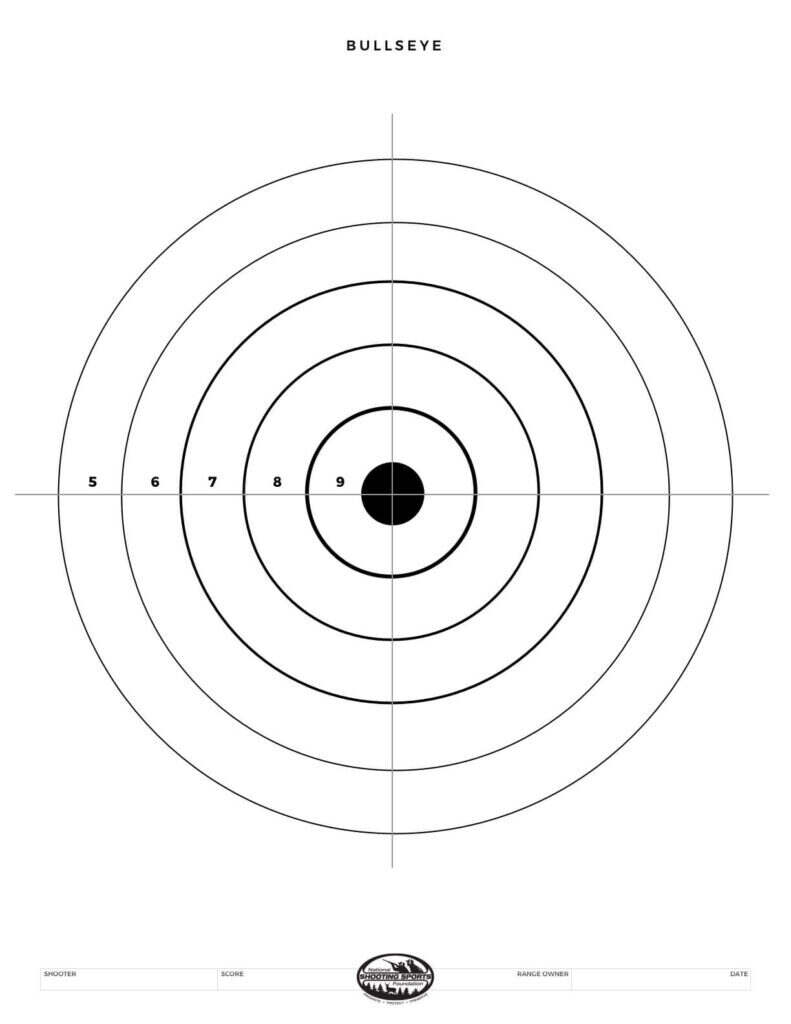
Ultimately, the biggest takeaway is that the right target adapts to the moment rather than pushing everyone into one rigid routine. I don’t chase perfection; I chase engagement and ease of use. If a session drifts, we switch formats, adjust colors, or drop the timer entirely to restore flow. The act of choosing and tweaking targets together turns a plain page into a small shared ritual.
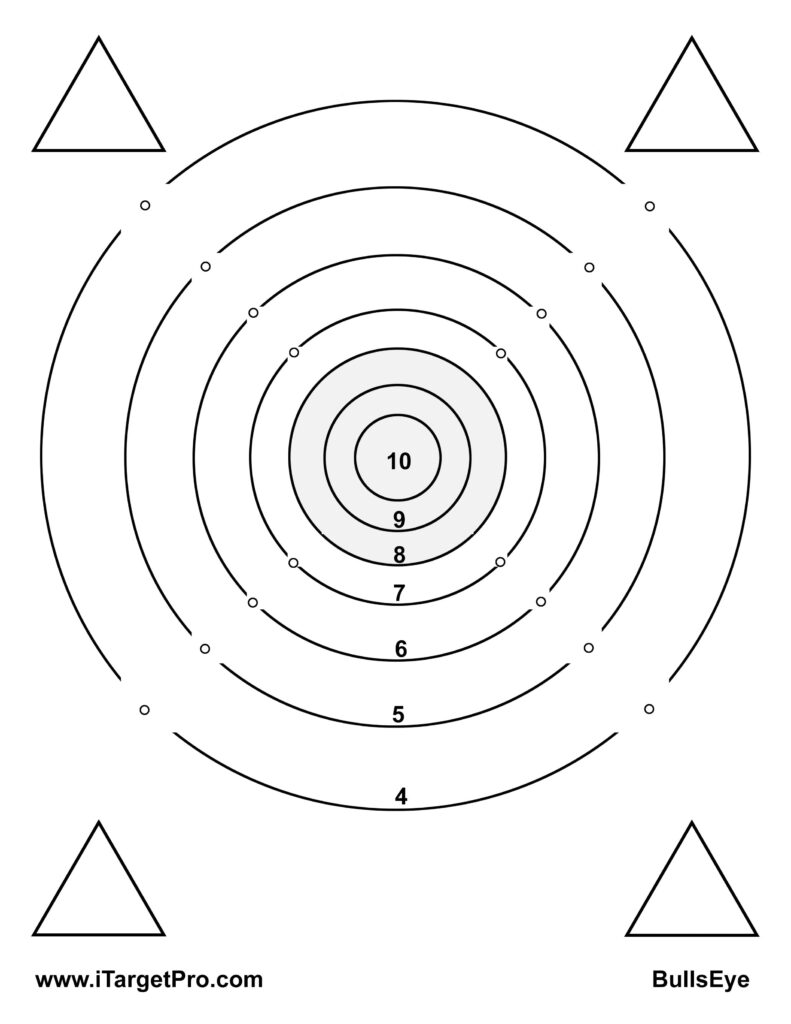
Looking back, I see the tool kit as a friendly assistant rather than a magic wand. It invites curiosity, keeps us calm, and respects different paces. When I remember to stay flexible, sessions feel collaborative instead of chore-like, and we celebrate small wins without guilt. In the end, the ritual of choosing and adapting a printable target becomes a tiny, reliable anchor for our learning moments and for a little more patience at the table.