
This week I tried an insects art guide printable with my kids during our nature block. It wasn’t magic, but it gave us a practical way to observe, sketch, and talk about bugs up close. We treated it as a flexible tool, not a shortcut, and let the afternoon flow from the garden to the desk.
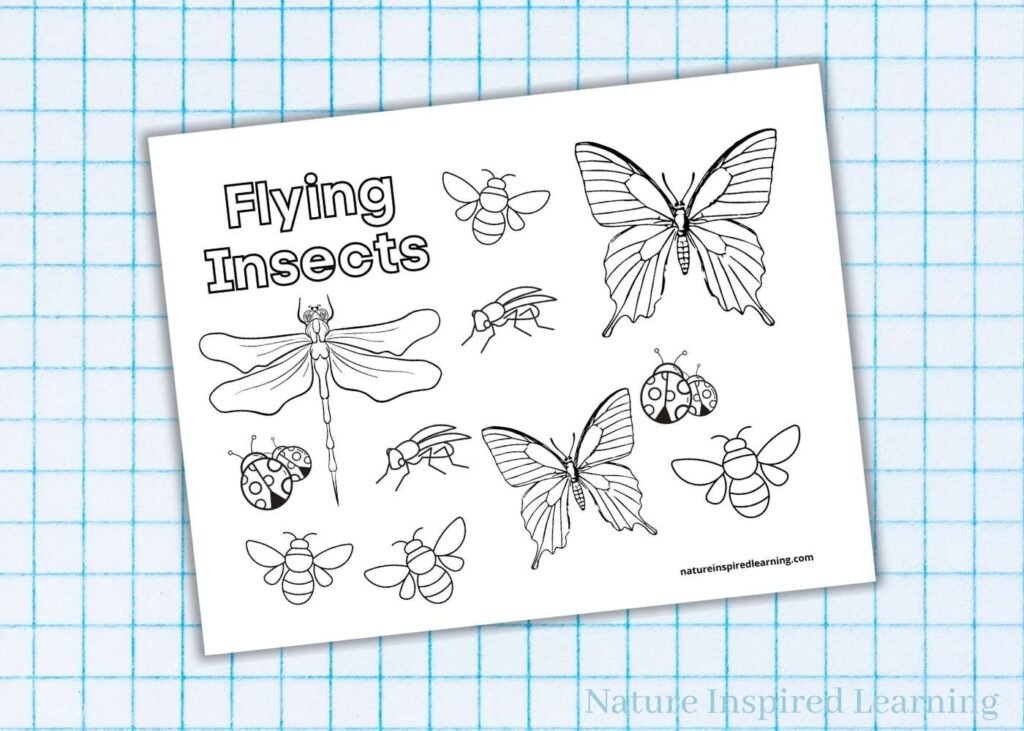
During our outdoor hour we found a beetle, a caterpillar, and a wasp larva in the yard. We treated the printable as a gentle frame: sketch the silhouette, label the body parts, and note one color. Then we paused to compare textures—shiny elytra versus fuzzy caterpillar hairs—and we described how their shapes might help them move. It gave my kids a shared goal while we slowed down to observe what was actually there, and we chatted about how it moved.
Real-world setup
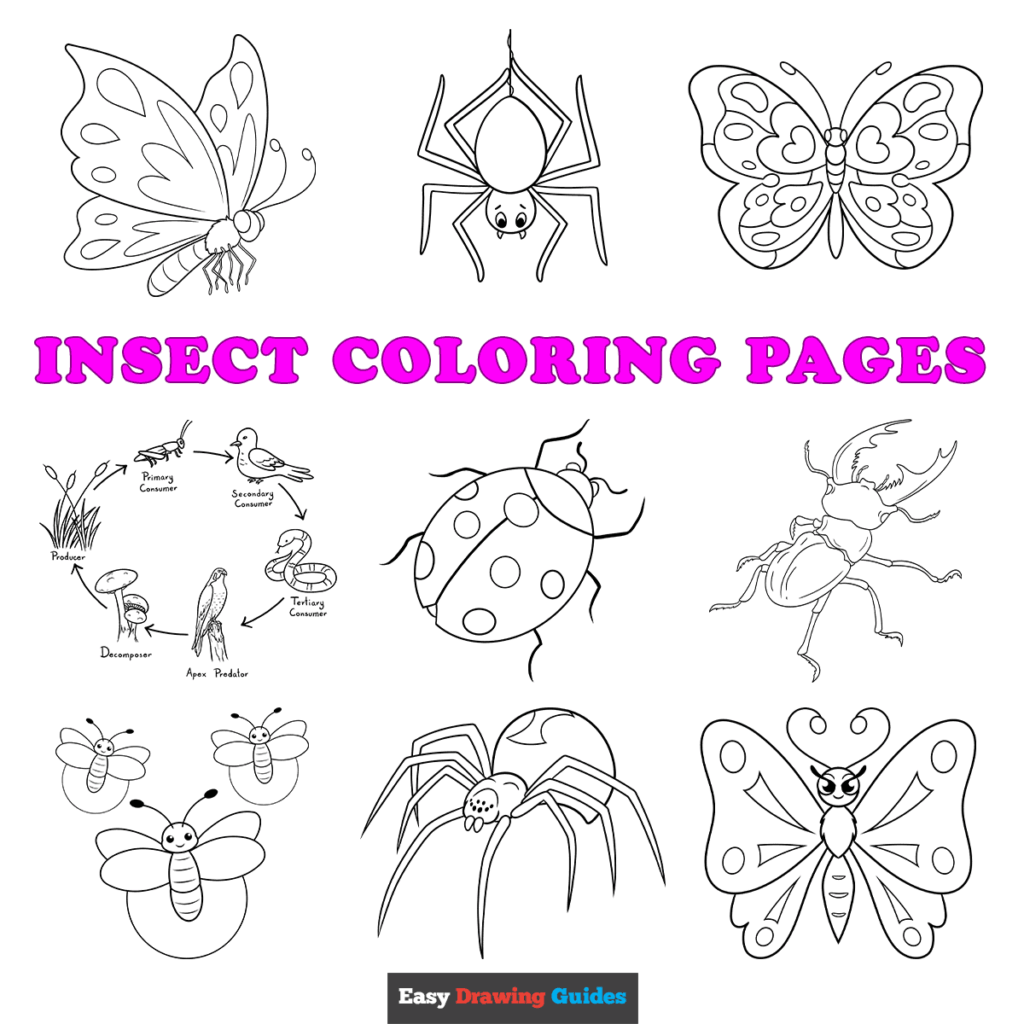
One honest limitation showed up quickly: the pages felt static when bugs moved or hid in shade. The printout’s lines can feel rigid, so we paused to observe directly and then switch back to drawing from memory. Also, our printer sometimes produced smeared ink on thinner paper, which reminded me we’d need sturdy stock if we want to reuse it. We learned to expect a short, natural pause during exploration and to keep a spare sketch sheet handy for later.
To keep it useful, I planned small adjustments: we used pencil sketches first, then added color with colored pencils, and I laminated the simpler pages to reuse with dry-erase markers on a clipboard. We also split the work so one kid researched a feature while the other drew, trading roles to keep momentum up. It’s a trade-off, but it paid off for engagement, especially when we revisited a previous drawing to add a more accurate feature after a field check.
A practical routine
By the end of the day, the activity felt like a useful reconciliation of science and art. My kids practiced careful observation, compared features, and used simple vocabulary to describe what they saw. The act of drawing helped some details stay with them longer than a quick verbal description would. That sense of shared focus surprised me in a busy week. It reminded me that patience often yields clearer questions and better curiosity. That felt like a quiet win.
I would recommend this approach for households that want a light, manageable blend of nature study and creativity. It’s best for curious kids who enjoy hands-on tasks but don’t need perfect results, and for parents who want to slow down a little without sacrificing learning. Families juggling chores, errands, and screen-free goals can adapt the pace to fit the day, adding a quick field note or a mini project if time allows. It also left space for quick notes.
Getting ready
To use it effectively, print a few pages ahead of time, gather pencils, markers, and a clipboard, then set a 20- to 25-minute window. Start with a quick field walk, then return to the table for drawing and labeling. End with a short share session where each child explains their favorite feature, followed by a quick recap of what changed their perceptions about bugs. If a page felt rushed, we paused and tried the next page.
Looking back, I’m glad we treated the resource as a flexible scaffold rather than a rigid curriculum. The right pace and expectations matter more than any printable can promise. When time is tight, I rely on simple prompts and short conversations, letting curiosity lead. If you’re a fellow homeschool dad, remember that insects art guide printable is a helpful spark, not a script for tomorrow. May your days stay patient and your questions stay curious with every new bug again.